Architecture is more than just the act of constructing buildings—it is a dialogue between space, culture, and environment. The concept of contextual harmony plays a crucial role in shaping architectural identity, ensuring that structures integrate seamlessly into their surroundings rather than disrupting them.
From historic landmarks to contemporary masterpieces, context-aware design ensures that buildings serve a functional purpose while respecting their physical, social, and historical context. A prime example of this is the Dancing House in Prague, a structure that challenged conventional urban fabric yet became an iconic landmark through its contextual responsiveness.
In this blog, we will explore how contextual harmony influences architecture, break down its core principles, and analyze how legendary structures have successfully (or unsuccessfully) engaged with their environments.
What is Contextual Harmony in Architecture?
Contextual harmony refers to the ability of a building to blend with its surroundings while still maintaining its unique identity. It considers factors such as:
- Physical Context: The geographical and environmental aspects surrounding the structure.
- Cultural Context: The traditions, historical influences, and societal values embedded in the location.
- Urban Context: How the building interacts with neighboring structures and public spaces.
By aligning with these aspects, architects ensure that their designs enhance rather than overpower the existing environment.
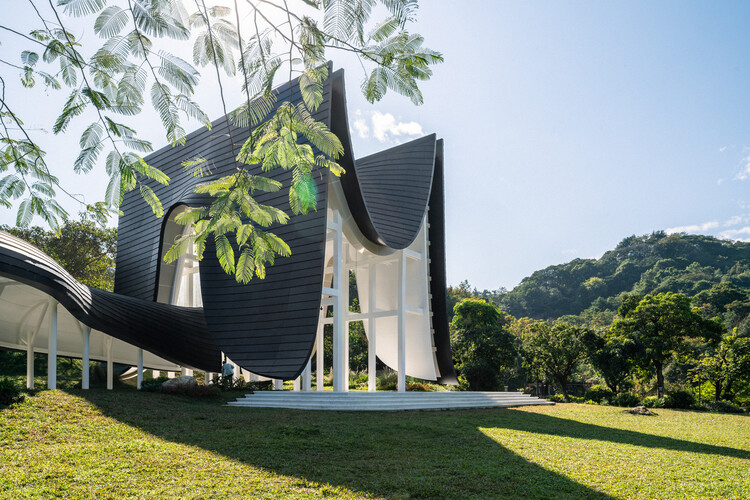
Image Credits - ArchDaily
The Role of Context in Architectural Design
1. Responding to Cultural and Historical Influences
Architecture serves as a reflection of cultural heritage. Structures that acknowledge historical influences create a deeper connection between the past and the present.
Example: The Louvre Pyramid, Paris When I. M. Pei introduced the glass pyramid at the Louvre, it sparked controversy. A modernist intervention in a historically rich environment, many feared it would clash with the classical aesthetics of the museum. However, through its geometric simplicity and subtle material transparency, the pyramid complements rather than disrupts its surroundings, now standing as an integral part of the museum’s identity.
2. Adapting to the Physical Environment
Sustainable architecture is deeply tied to the natural environment. Buildings that respond to climatic conditions, terrain, and ecological factors are not only more energy-efficient but also more harmonious with their context.
Example: Fallingwater, Pennsylvania Designed by Frank Lloyd Wright, Fallingwater is a masterpiece in organic architecture. Built over a waterfall, the structure seamlessly integrates with the landscape, using local stone, cantilevered terraces, and flowing interiors that mimic the movement of water. This approach ensures that the house feels like an extension of nature rather than an imposition upon it.
3. Balancing Contrast and Integration
While some buildings aim to blend in, others thrive on contrast—yet even bold designs should consider their context. The balance between standing out and fitting in defines a structure’s success in an urban setting.
Example: The Dancing House, Prague Designed by Frank Gehry and Vlado Milunić, the Dancing House is an excellent case study in contextual contrast. Located in a neighborhood dominated by Baroque and Gothic architecture, its curvilinear, deconstructivist form starkly differs from its surroundings. However, its positioning and scale respect the neighboring buildings, allowing it to be both disruptive and harmonious.
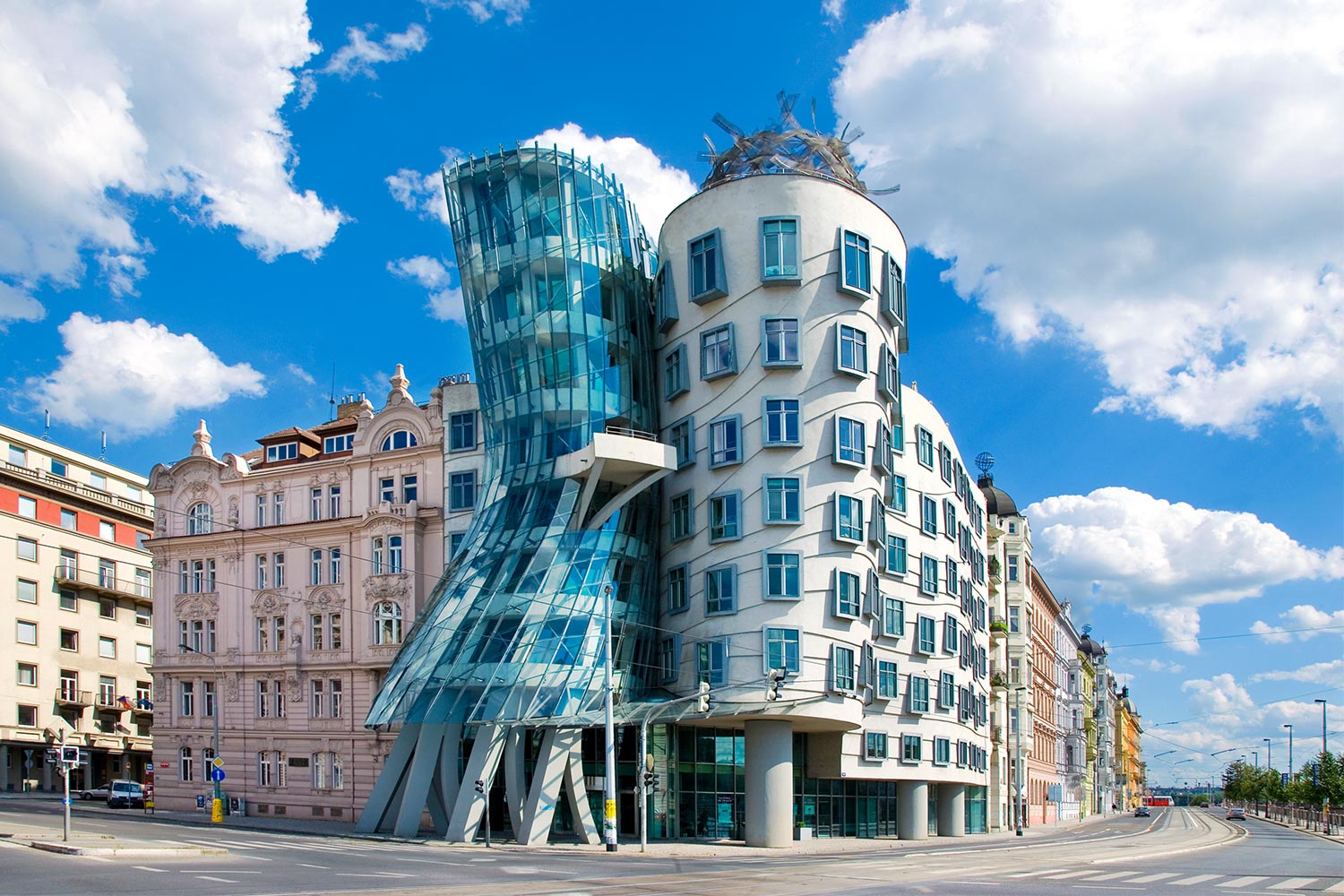
Image Credits - Amazing Czechia
4. Engaging with Urban Spaces
Urban architecture should foster interaction, accessibility, and community engagement. The best designs create a dialogue between buildings and the people who use them.
Example: The High Line, New York City Once an abandoned railway, the High Line was transformed into an elevated urban park that interacts with New York’s dense cityscape. Its design seamlessly integrates green spaces, pedestrian pathways, and artistic installations, turning it into a vital communal space rather than just another infrastructure project.
5. Sustainability and Contextual Responsibility
Modern architecture must also account for sustainability—not just in terms of materials but in energy consumption, resource management, and environmental impact.
Example: Bosco Verticale, Milan This “vertical forest” designed by Stefano Boeri is an example of green contextual harmony. By integrating over 9,000 trees and plants, the towers contribute to air purification, reduce urban heat, and foster biodiversity—showing how contemporary designs can respect and enhance their natural environment.
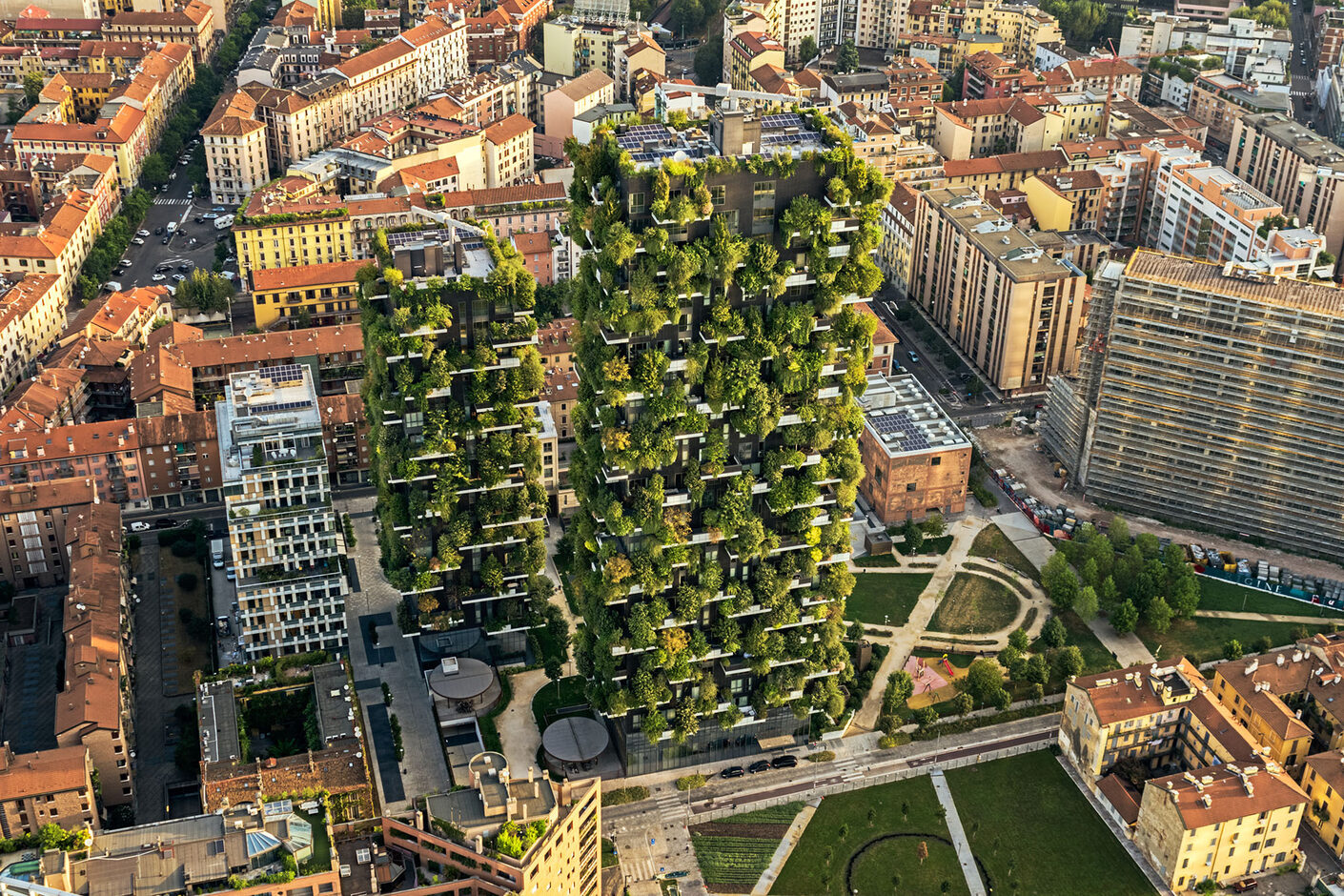
Image Credits - StylePark
Challenges in Achieving Contextual Harmony
While context-driven design is essential, architects often face challenges such as:
- Modernization vs. Tradition: Finding a balance between innovation and cultural preservation.
- Urban Density Constraints: Adapting to rapidly growing cities without sacrificing historical integrity.
- Sustainability vs. Cost: Eco-friendly materials and methods can be expensive, making it difficult for some projects to implement them fully.
- Public Perception: Designs that break convention may face resistance before gaining acceptance.
What you'll learn:
- Learn from industry experts and master practitioners.
- Engage in hands-on, project-based learning experiences.
- Connect with a vibrant community of creatives and professionals.
- Receive a certificate to boost your portfolio and credentials.
Conclusion
Contextual harmony is the art of designing with awareness, ensuring that architecture enhances its surroundings rather than dominating them. Whether through cultural continuity, environmental adaptability, or urban engagement, successful buildings find a way to balance identity and integration.
As we move toward an era where sustainability, technology, and urban growth intersect, contextual awareness in architecture will continue to shape the skylines of tomorrow. Understanding and applying these principles will lead to spaces that are not only functional and aesthetically striking but also deeply connected to their environments.
Enhance your architectural design skills! Master the art of contextual harmony and learn to create spaces that seamlessly blend with their surroundings. Elevate your expertise and design buildings that are both functional and iconic.
Join Kaarwan’s Advanced Architecture Course today and shape the future of design!
FAQs
1. What is contextual harmony in architecture?
Contextual harmony refers to the seamless integration of a building with its surroundings, considering cultural, physical, and urban factors to enhance rather than disrupt the environment.
2. How does contextual design impact sustainability?
By adapting to local climate, using eco-friendly materials, and minimizing energy consumption, context-driven design improves sustainability while reducing environmental impact.
3. Can modern architecture coexist with historical buildings?
Yes, when done thoughtfully, modern structures can complement historical settings—as seen in projects like the Louvre Pyramid, where contrast is balanced with integration.
4. Why is the Dancing House considered contextually significant?
Despite its unconventional form, the Dancing House respects the scale and positioning of its surroundings, making it a successful example of contextual contrast.
5. How do architects balance innovation with cultural heritage?
By blending traditional materials with contemporary techniques and ensuring designs align with local identity, architects create structures that honor the past while embracing the future.