Mood boards and concept collages are versatile mediums used by architects, designers, and creative professionals to visually communicate ideas. In architectural presentations, these tools provide a way to blend inspiration, color schemes, textures, and architectural elements cohesively. By using Photoshop, designers can create dynamic and engaging collages that bring their concepts to life.
This article will help you learn about the best practices for creating effective mood boards and concept collages using Photoshop, and how they can enhance architectural renderings and presentations.
What is a Mood Board?
A mood board is a visual representation of a concept or idea. It combines images, colors, materials, and sometimes text to convey a specific mood, theme, or feeling. For architects, mood boards are essential tools in the design process. They help set the visual tone for a project and offer a reference point for stakeholders, clients, or team members.
Creating mood boards using Photoshop allows for greater flexibility, customization, and precision. With tools like layers, masks, and smart objects, you can manipulate images and textures effortlessly, ensuring that every element fits your vision.
Why Use Photoshop for Mood Boards and Collages?
Many designers prefer Photoshop for creating mood boards and concept collages because of its powerful editing capabilities. The software provides advanced options for blending images, adjusting colors, and manipulating textures. Whether you're working on a simple collage or an elaborate architectural presentation, Photoshop enables precise control over every visual detail.
In comparison to other software, Photoshop allows the user to:
- Layer images: This feature allows you to control every element in your design independently.
- Edit colors and textures: You can easily adjust brightness, contrast, and saturation to ensure consistency across the entire presentation.
- Create masks: Masks help in blending images seamlessly for a more polished look.
- Add effects: You can apply filters, shadows, or blurs to give your collages and renderings more depth.
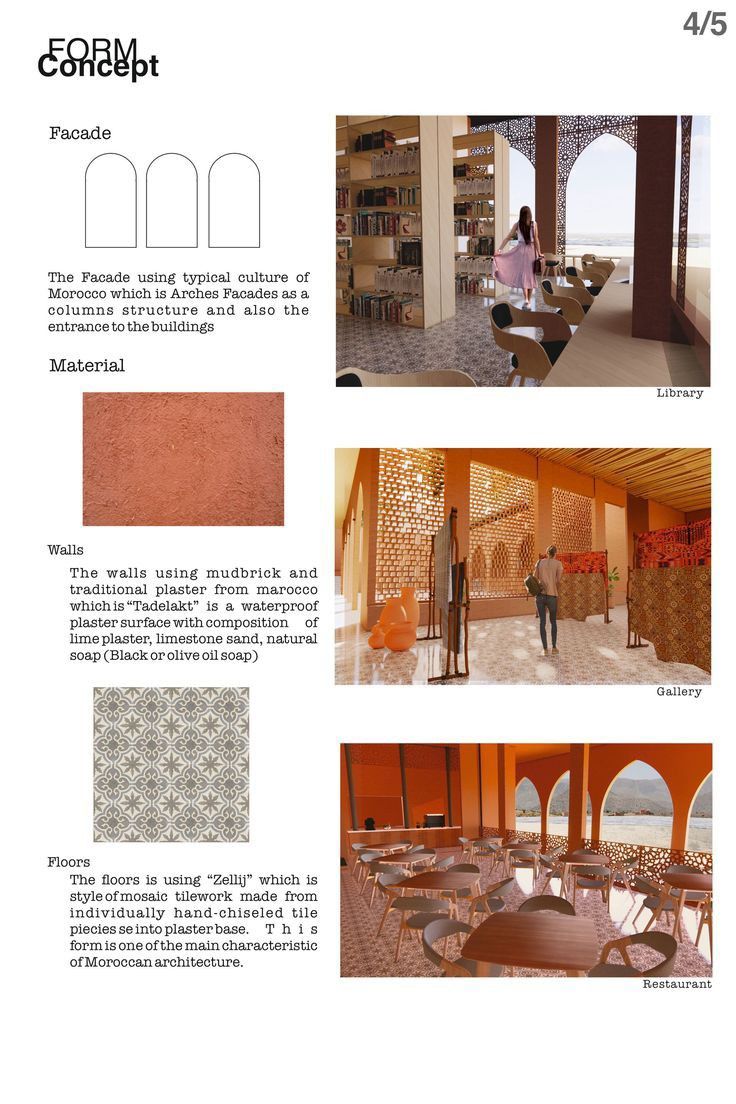
Architectural mood board_©Wake Up! on Pinterest.com
Steps to Create a Mood Board in Photoshop
1. Set Up Your Canvas
Before diving into the creative process, setting up the right canvas size is essential. If you're creating a Photoshop presentation, choose a canvas size that matches the platform where your work will be displayed. For print presentations, use higher resolution (300 dpi). For digital presentations, 72 dpi is ideal.
- Open Photoshop.
- Go to "File" and select "New".
- Set the dimensions (for example, 1920x1080 pixels for a screen display).
- Click "Create".
2. Collect Visuals and Inspiration
Gather your materials before starting your mood board. You can find inspiration from various sources such as online image libraries, textures from your projects, or photos from architectural sites.
While selecting the visuals:
- Ensure they align with the theme or concept you're working on.
- Choose a consistent color palette that will unify the board.
- Opt for high-resolution images to maintain the quality of your photoshop presentation.
3. Layer and Arrange Images
Now that you have your images, you can start layering and arranging them on your canvas. The layers panel in Photoshop is crucial for this. Each image or element should be placed on a separate layer to make adjustments easier. Use the "Transform" tool (Ctrl+T) to resize and move elements around. Consider:
- Overlapping elements to create depth.
- Placing key visuals in the center or top sections of the canvas for focus.
- Using the "Layer Mask" tool to blend elements smoothly into each other.
4. Add Textures and Patterns
Textures and patterns can significantly enhance the mood of your board. Use the "Pattern Overlay" or drag-and-drop textures onto your canvas. Adjust the blending mode to ensure the texture integrates naturally with the images.
For architectural presentations, adding textures like concrete, wood grain, or stone can give a tactile feel to the collage.
5. Apply Color Grading
Consistency in color is vital to achieve a unified look. Photoshop offers several tools to help you color grade your mood board. Use the "Hue/Saturation" adjustment layer or the "Color Balance" tool to tweak the colors across the canvas. This will ensure that the mood you're trying to convey stays consistent.
For instance, if you're designing a sustainable building, use earthy tones like greens and browns in your architectural renderings to reinforce the concept.
Creating Concept Collages in Photoshop
A concept collage is more abstract and allows for more creative freedom compared to a mood board. These collages are often used to explore design concepts and ideas visually before they are fully developed.
Here’s how you can create a concept collage in Photoshop:
1. Start with a Blank Canvas
Just like when creating a mood board, start by setting up a new canvas in Photoshop. Think about the dimensions and the final output format.
2. Use Architectural Renderings
When working with architectural renderings in Photoshop, blend different angles, materials, and textures to create a holistic view of the concept. Renderings can serve as a base image that can be layered with other design elements.
- Place your architectural rendering in the background.
- Use masks and blend modes to merge it with other visual elements.
3. Incorporate Abstract Elements
Concept collages often feature abstract or conceptual visuals to evoke a particular idea or theme. This is where you can be playful with shapes, colors, and imagery. You could incorporate sketches, vector art, or even hand-drawn designs into your Photoshop collage to give it an artistic touch.
4. Utilize Smart Objects
In Photoshop, using smart objects allows you to edit non-destructively. This means you can apply filters, transformations, or adjustments without permanently altering the original file. This is useful when building complex collages because it gives you more flexibility to experiment.
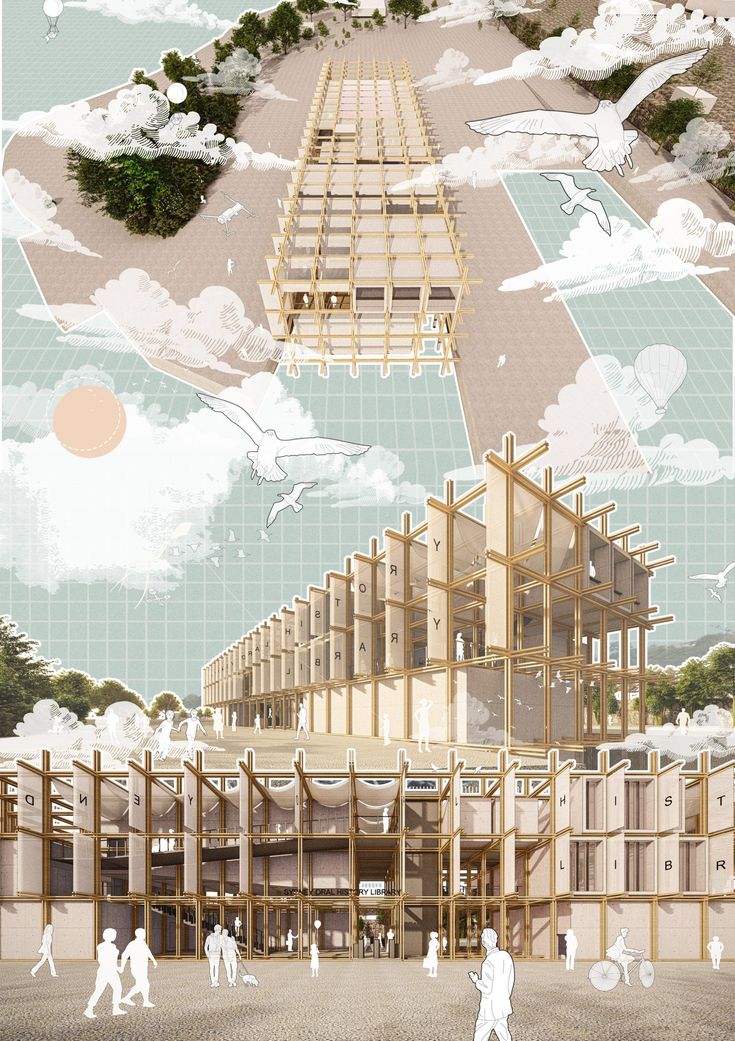
Presentation board using architectural collage_©illustrarch.com
Benefits of Using Photoshop for Mood Boards and Collages
Precision and Control
One of the key advantages of using Photoshop is the level of control it provides. Every image, texture, or text block can be manipulated with incredible precision. This is essential in architectural presentations, where attention to detail is paramount.
Professional Output
When creating architectural renderings in Photoshop, the outcome is professional-grade. The software is widely used by architects and designers because of its ability to handle high-resolution images, textures, and effects. The final output is crisp and visually impressive.
Seamless Integration with Other Tools
Photoshop works seamlessly with other Adobe programs like Illustrator or InDesign, which are commonly used in the architectural world. This makes it easier to integrate your mood boards and collages into broader design projects.
Conclusion
Mastering the art of creating mood boards and concept collages with Photoshop can elevate your design presentations, making them more engaging and professional. With its powerful tools, Photoshop offers unmatched control over your visual storytelling, from adding textures and patterns to blending architectural renderings seamlessly. By following these steps, you can create visually stunning and cohesive presentations that will resonate with clients and stakeholders alike.
The future of architecture is bright, but are your skills keeping pace? Kaarwan's architecture-specific courses provide you with the knowledge and tools to confidently navigate the AEC industry. Gain valuable insights, master in-demand software, and stand out with designs that impress!
FAQs
1. Can you make a mood board in Photoshop?
Yes, you can easily create a mood board in Photoshop by layering images, textures, and text. Photoshop offers tools like layers, masks, and color adjustments for precise control over your design.
2. What is the difference between a mood board and a collage?
A mood board focuses on setting the visual tone for a project using images, colors, and textures. A collage blends various elements together, often more abstractly, to represent broader ideas or concepts.
3. How to create a mood board and apply it to your design plan?
First, gather visuals that match your theme and arrange them in Photoshop. Once the mood board reflects your design concept, use it to guide your color choices, materials, and overall aesthetic in the design process.
4. What is the best tool to create a moodboard?
Photoshop is one of the best tools for creating mood boards due to its flexibility, precision, and powerful image editing capabilities. It allows you to layer, adjust, and customize your mood board easily.
5. What is the difference between a mood board and a concept board?
A mood board focuses on the overall atmosphere and feelings of a design, while a concept board emphasizes the design's key ideas, themes, and specific architectural elements in more detail.