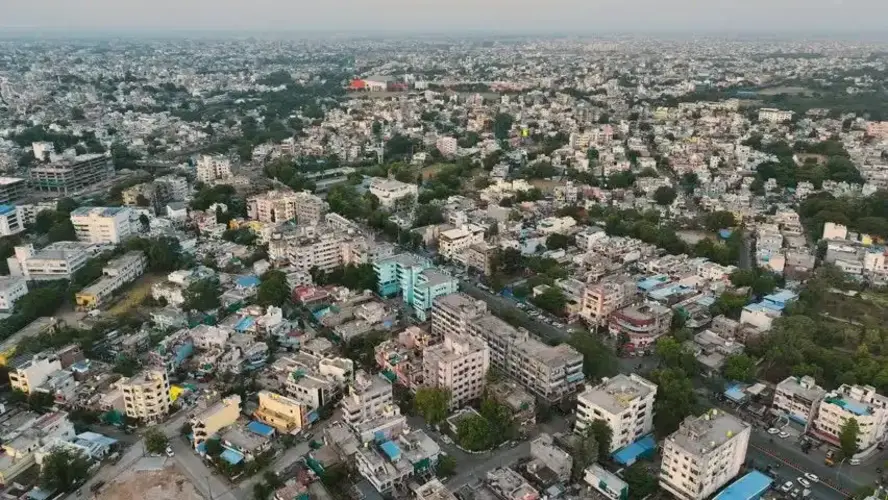
Why a Mid-Sized Indian City Is Quietly Rewriting the Rules of Urban Sustainability
When we talk about cities leading the charge on climate action, names like Copenhagen, Singapore, or even Delhi tend to dominate the conversation. But tucked in the heart of Maharashtra, a city most people wouldn't immediately associate with sustainability, is doing something genuinely remarkable—Nagpur is quietly building the foundations of a zero-emission future, one policy, one building, and one initiative at a time. And it's worth paying attention to.
Why Cities Matter More Than We Think
_1770194580518.jpg)
Before diving into what Nagpur is doing, it helps to understand why urban sustainability is such a big deal. Cities, despite covering less than 5% of the Earth's land, are responsible for nearly 70% of global greenhouse gas emissions. The bulk of that comes from three main culprits: buildings, transportation, and energy systems.
India knows this better than most. It's one of the fastest-growing urban nations out there, and the country has already committed to hitting net-zero greenhouse gas emissions by 2070. But that target? It can't happen without cities actually doing something. Nagpur, as it turns out, is one that genuinely is.
The Zero Carbon Buildings Action Plan: India's First of Its Kind
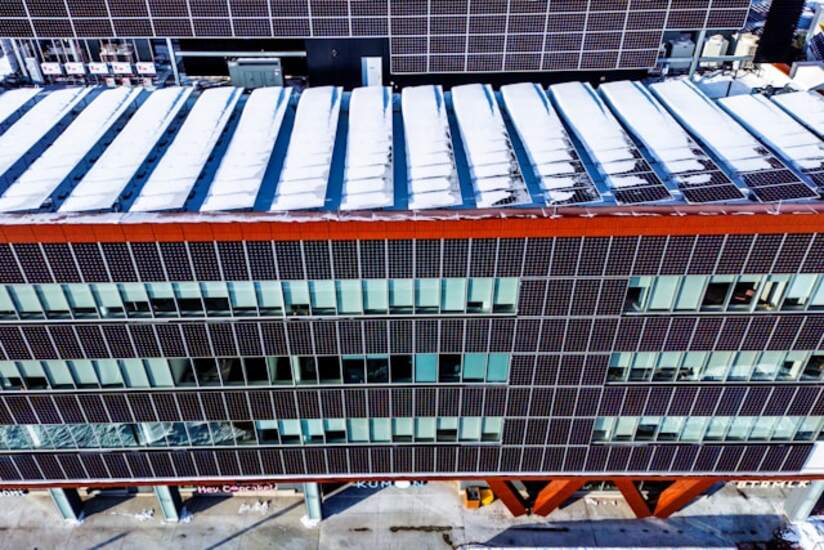
The centrepiece of Nagpur's sustainability story is something called the Zero Carbon Buildings Action Plan, or ZCBAP. Launched in March 2024, it is the first city-specific roadmap of its kind anywhere in India, and that alone makes it worth understanding.
So, what does it actually do? The ZCBAP was developed jointly by the Nagpur Municipal Corporation (NMC) and the Nagpur Smart and Sustainable City Development Corporation Limited (NSSCDCL), with technical support from ICLEI South Asia and international partners like the World Resources Institute and the UN Environment Programme. It is part of a global initiative called the Zero Carbon Buildings Accelerator, and Nagpur is one of only six cities worldwide selected to be part of it.
The plan covers every type of building in the city—public offices, affordable housing, commercial spaces, and private homes. And what it's really saying is simple: make all new buildings net-zero carbon by 2030, and get every single building in the city there by 2050.
Why does this matter so much for Nagpur specifically? The numbers tell the story. As of the 2017–18 baseline, residential, commercial, and institutional buildings were responsible for 58% of the city's total energy consumption and 56% of its greenhouse gas emissions. In other words, buildings are the single biggest lever Nagpur has to pull if it wants to meaningfully reduce its carbon footprint. The ZCBAP pulls it hard.
The plan doesn't just set targets. It looks at the entire lifecycle of a building—from the materials chosen during design, through construction and daily operation, all the way to demolition. It encourages climate-responsive design, smarter material choices, and a greater integration of renewable energy into how buildings are built and run strategies that cut emissions at every stage.
Making Green Buildings Financially Attractive
Of course, a plan is only as good as the incentives behind it.
And here, Nagpur has taken a step that many other Indian cities haven't.
The Nagpur Municipal Corporation introduced a tiered property tax rebate scheme for green-certified buildings. Under the policy, buildings that earn a Platinum certification from the Indian Green Building Council (IGBC) can receive up to a 20% rebate on property tax. Gold-certified buildings qualify for 17.5%, and silver-certified buildings for 15%.
This isn't just a symbolic gesture. It's the kind of financial nudge that actually influences decisions. When builders and homeowners see a direct monetary benefit tied to sustainable construction—solar panels, rainwater harvesting, wastewater recycling, they start paying attention. In a way, these green building incentives are the backbone of Nagpur's broader sustainable urban planning strategy, designed to turn good intentions into action. Beyond Buildings: The Bigger Sustainability Picture
Nagpur's ambitions don't stop at buildings, though. Two other initiatives deserve a closer look, both because of what they represent and what they could mean for the city's future.
India's Largest Waste-to-Energy Plant
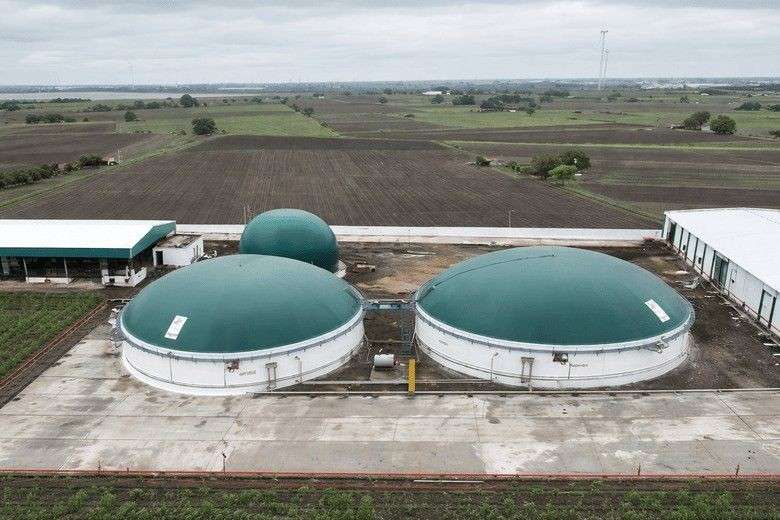
Image Credit: Biofics
At Bhandewadi, Nagpur, is home to what is shaping up to be India's largest municipal solid waste-to-compressed biogas (CBG) plant using dry fermentation technology. Built across 30 acres of land and designed to process up to 1,500 tonnes of waste per day, the facility entered cold commissioning in late 2025 and is on track for full operations by March 2026.
What makes this project genuinely exciting is its scope. It doesn't just convert waste into clean biogas; it also produces compost and soil conditioners and drastically reduces the amount of waste going to landfills. For a city like Nagpur, which has long struggled with waste management, this is a game-changer.
IIM Nagpur's Solar-Powered Campus
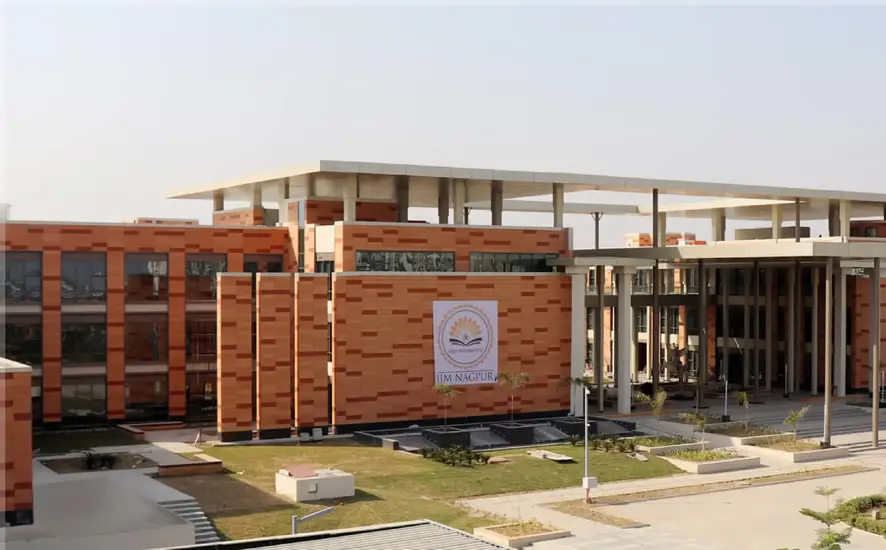
Image Credit: Ornate Solar
And then there's IIM Nagpur. The institute has gone all in on becoming a net-zero campus, starting with a 2 MW ground-mounted solar power plant spread across six acres. The impact? Monthly electricity bills are expected to drop from around ₹25–30 lakh to just ₹6 lakh. They've also earned a 4-star GRIHA rating and planted over 8,000 trees on campus. It's quiet, it's steady, and honestly, it's exactly the kind of thing more institutions should be doing.
What Nagpur's Story Really Teaches Us
Most people hear "zero-emission city" and picture somewhere like Copenhagen or Singapore, rich and developed with lots of infrastructure. Nagpur isn't any of that. It's a mid-sized city, working with what it has. And that's exactly what makes this interesting. While Nagpur has not yet achieved zero emissions, its policies and pilot projects mark a decisive shift toward long-term urban decarbonisation.
The ZCBAP, the green building rebates, the waste-to-energy plant, and the solar initiatives are one-off moves. They fit together. And the picture they're building? It's one of the cities that's actually choosing to do things differently.
Master the tools behind India's sustainable building revolution. Our Professional Revit & BIM Certification Program equips you with the skills to design net-zero buildings, optimise energy performance, and lead the future of green construction, from concept to completion.
The Takeaway
If you work in sustainable design, green architecture, or urban planning or if you're simply someone who believes cities can do better, Nagpur is a story worth following. As one of India's designated smart city projects, it is proving that low-carbon urban development doesn't require a massive budget or a famous skyline. It requires vision, collaboration, and the courage to go first.
In this shift toward low-carbon cities, digital tools matter. Learning BIM for architects and mastering Revit enables professionals to design energy-efficient buildings, simulate performance early, and turn sustainability goals into measurable, buildable outcomes.
FAQs
1. What is a zero-emission city?
A zero-emission city actively reduces and neutralises its carbon footprint through sustainable development, clean energy, and climate-friendly policies and infrastructure.
2. What is the ZCBAP?
The Zero Carbon Buildings Action Plan is India’s first city-specific roadmap to make all buildings in Nagpur net-zero carbon by 2050.
3. When was the ZCBAP launched?
The ZCBAP was launched in March 2024 by Nagpur Municipal Corporation with support from ICLEI South Asia and international partners.
4. What percentage of Nagpur’s emissions come from buildings?
As of 2017–18, buildings were responsible for 56% of Nagpur’s greenhouse gas emissions and 58% of its total energy consumption.
5. What is the property tax rebate for green buildings?
Platinum-certified buildings receive a 20% rebate, Gold-certified buildings get 17.5%, and Silver-certified buildings get 15% on property tax from Nagpur Municipal Corporation.
6. What is the Bhandewadi CBG plant?
It is India’s largest municipal solid waste-to-compressed biogas plant, processing up to 1,500 tonnes of waste daily in Nagpur.
7. When will the Bhandewadi plant become operational?
The facility entered cold commissioning in late 2025 and is expected to be fully operational by March 2026.
8. What is IIM Nagpur doing for sustainability?
IIM Nagpur has installed a 2 MW solar park and planted 8,000 trees, earning a 4-Star GRIHA rating for its campus.
9. Has Nagpur achieved zero emissions yet?
No, but its policies and pilot projects reflect a strong and decisive shift toward long-term urban decarbonisation.
10. Why is Nagpur important for urban sustainability in India?
Nagpur demonstrates that mid-sized cities can lead climate action through smart policies, green incentives, and practical sustainable development initiatives.