Types of Architectural Models and Their Purposes
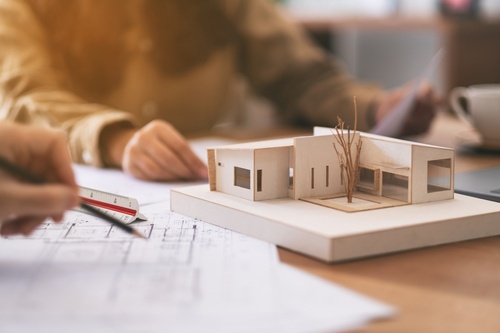
Architectural models are more than just scaled-down versions of buildings—they’re powerful tools that help architects, clients, and construction teams visualize ideas, communicate concepts, and test designs before building them in the real world. Each model type serves a specific purpose, depending on the stage of the project, the audience, and the message that needs to be conveyed. Here’s a breakdown of the most common architectural models and how they’re used.
Conceptual Models – Exploring Ideas
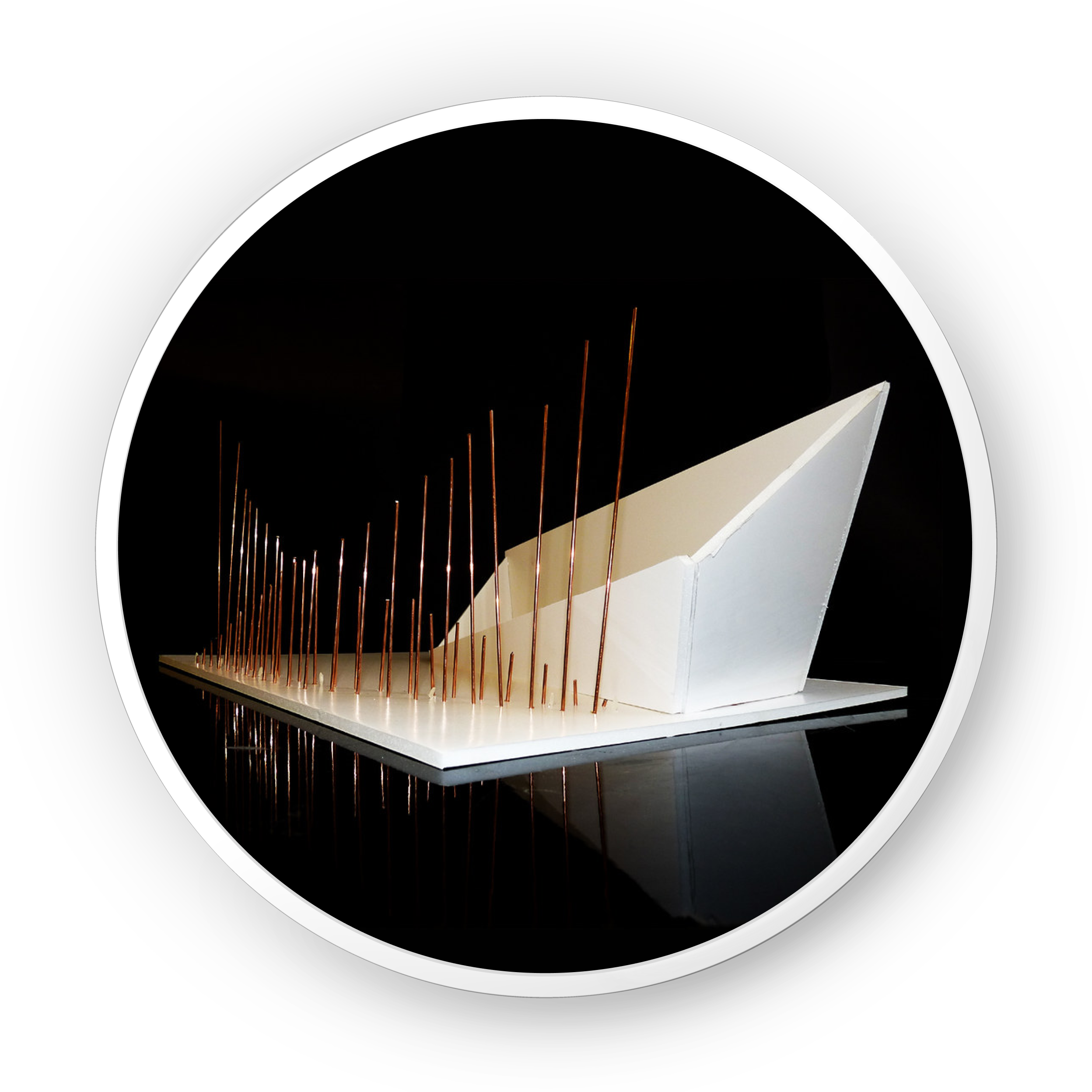
Conceptual models are often the first step in the design process. These models are rough, abstract, and open-ended, made quickly with inexpensive materials like cardboard, foam, or paper. The goal is to explore form, massing, spatial relationships, and movement without worrying about details or finishes.
Purpose:
- Explore multiple design options
- Experiment with space and scale
- Communicate ideas during brainstorming sessions
Presentation Models – Showcasing Design
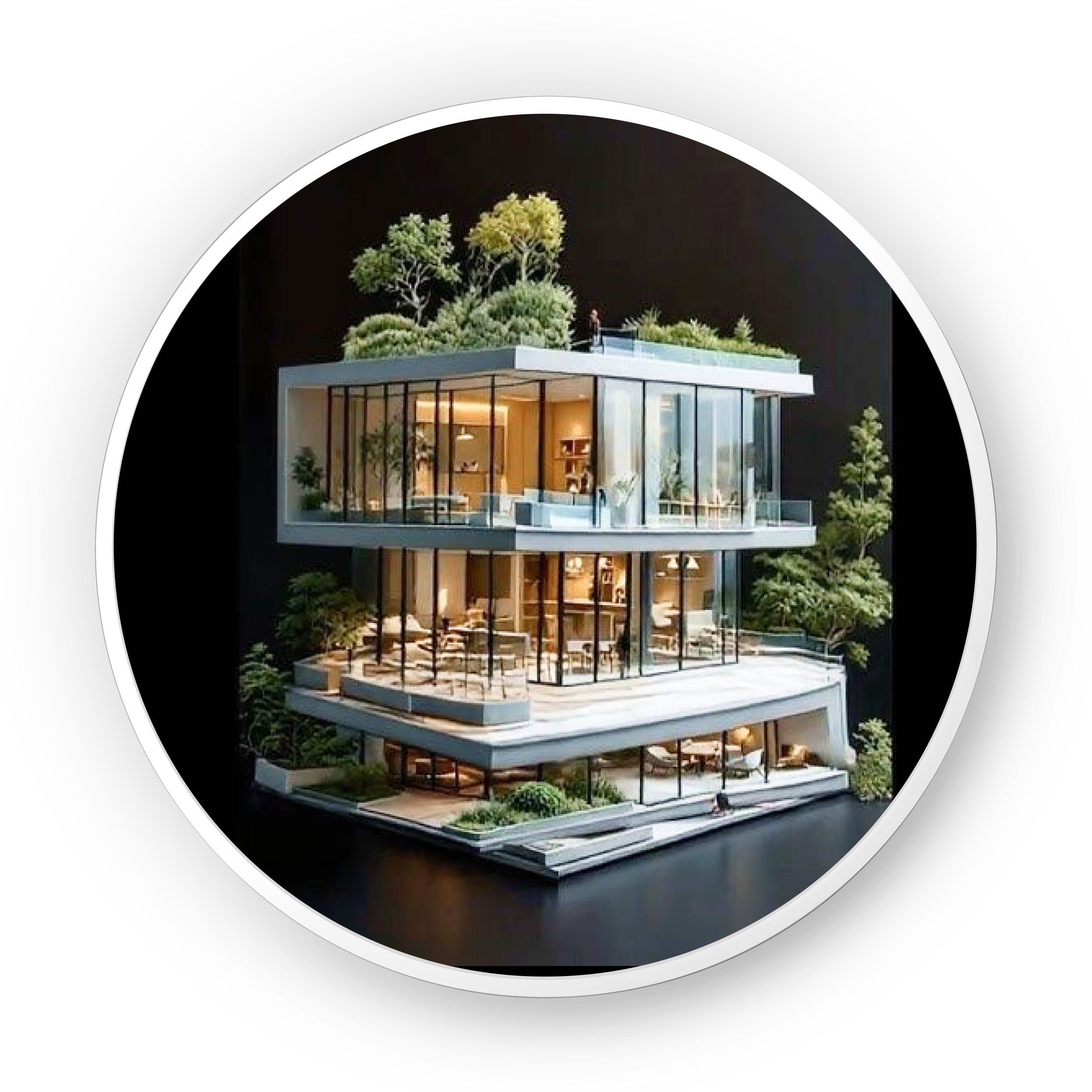
Presentation models are detailed, polished, and visually refined, often used in client meetings or competitions. They display the final design’s aesthetic qualities, materials, textures, and lighting to create an immersive experience.
Purpose:
- Help clients understand the architectural intent
- Highlight finishes, textures, and form
- Support proposals or awards submissions
Working Models – Functional Testing
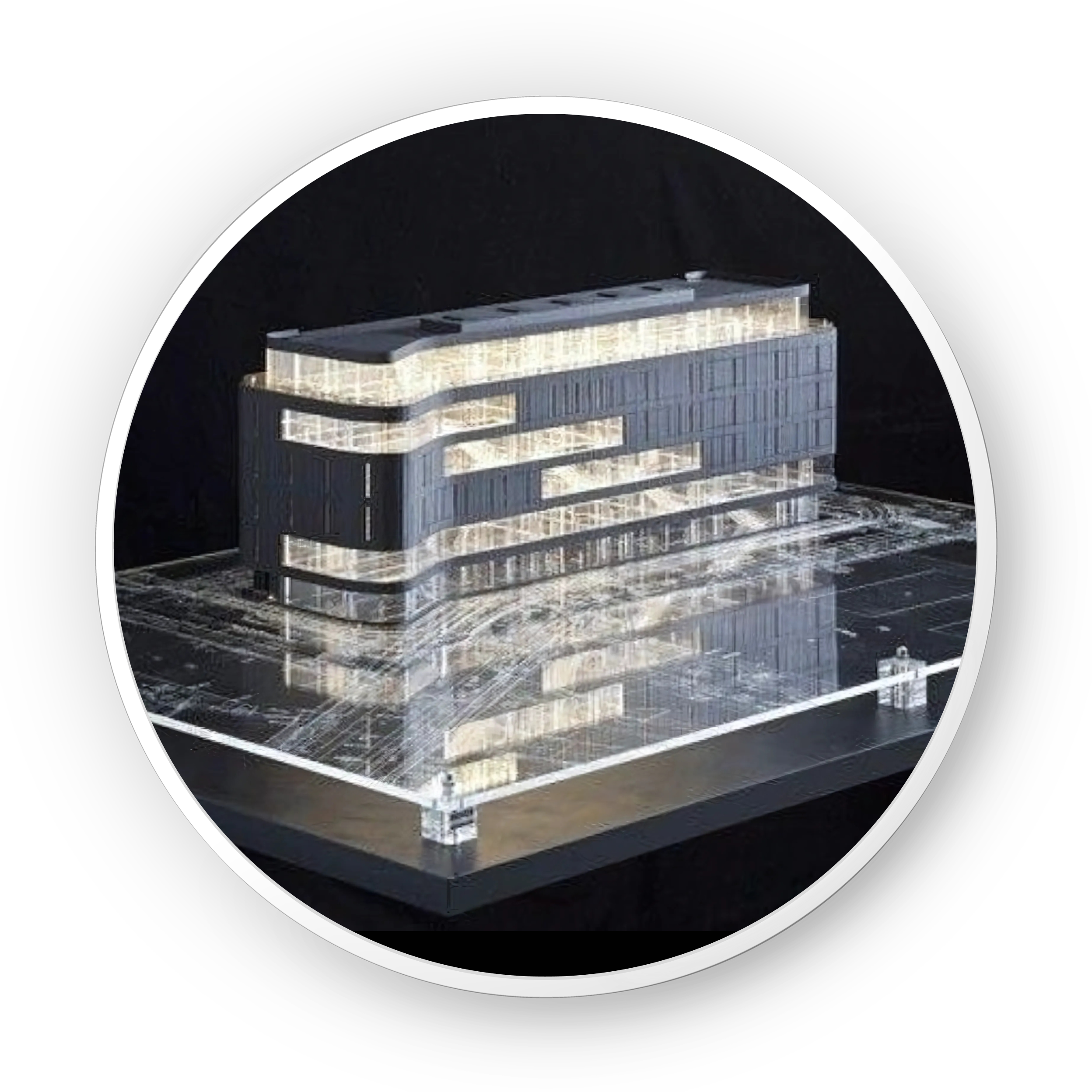
Working models focus on technical accuracy and are used by architects and engineers to test structural systems, building performance, and functionality. These models may include mechanical parts, lighting, or modular components that simulate real-world conditions.
Purpose:
- Study structural feasibility
- Test construction methods and circulation
- Simulate energy efficiency or airflow
Site Models – Contextual Analysis
Site models represent the building’s surroundings, including topography, nearby structures, and landscape. They are usually built at a larger scale than the architectural model itself to explain how a building interacts with its environment.
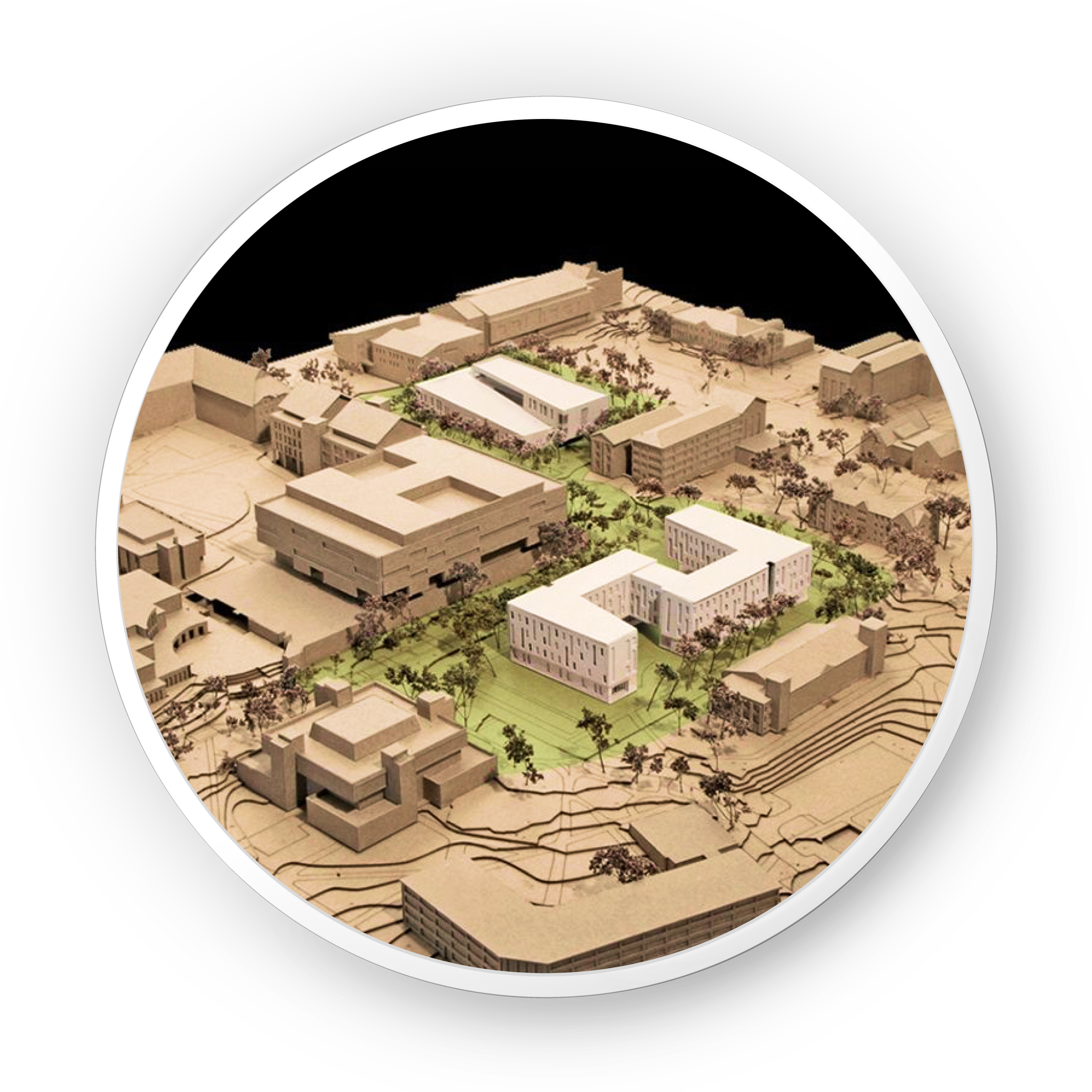
Purpose:
- Analyze sun paths, views, and wind
- Understand how the building integrates with the site
- Present urban planning proposals
Structural Models – Engineering Insights
Structural models zoom into the framework of a building, revealing beams, columns, load paths, and connections. These models help engineers, contractors, and architects coordinate designs and spot potential issues early.
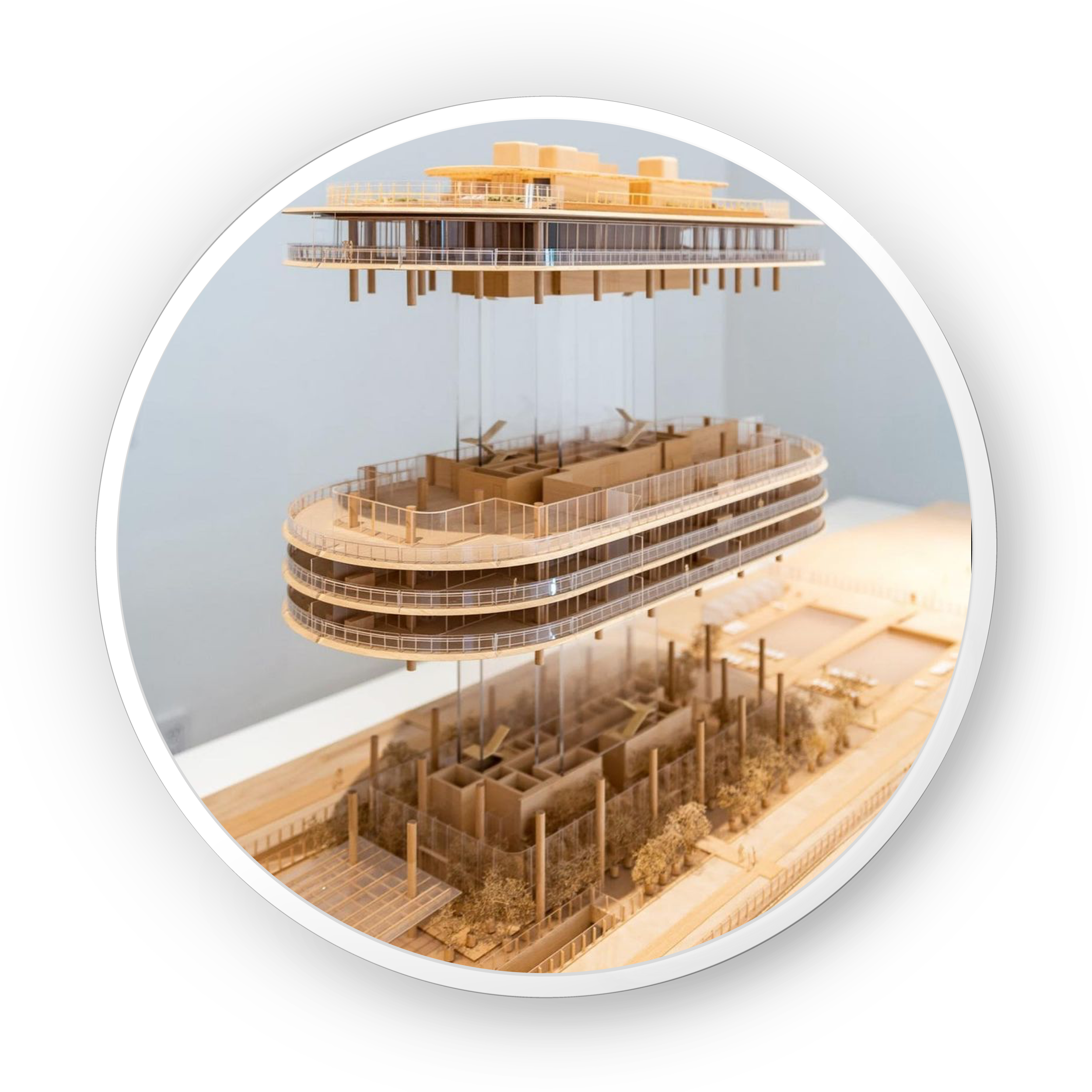
Purpose:
- Demonstrate structural integrity
- Clarify complex load distribution
- Aid in collaboration between disciplines
Interior Models – Experiencing Spaces
Interior models focus on inside environments, showing layouts, furniture, lighting, and material choices. These models are crucial when designing residential units, office spaces, or hospitality interiors where spatial experience is key.
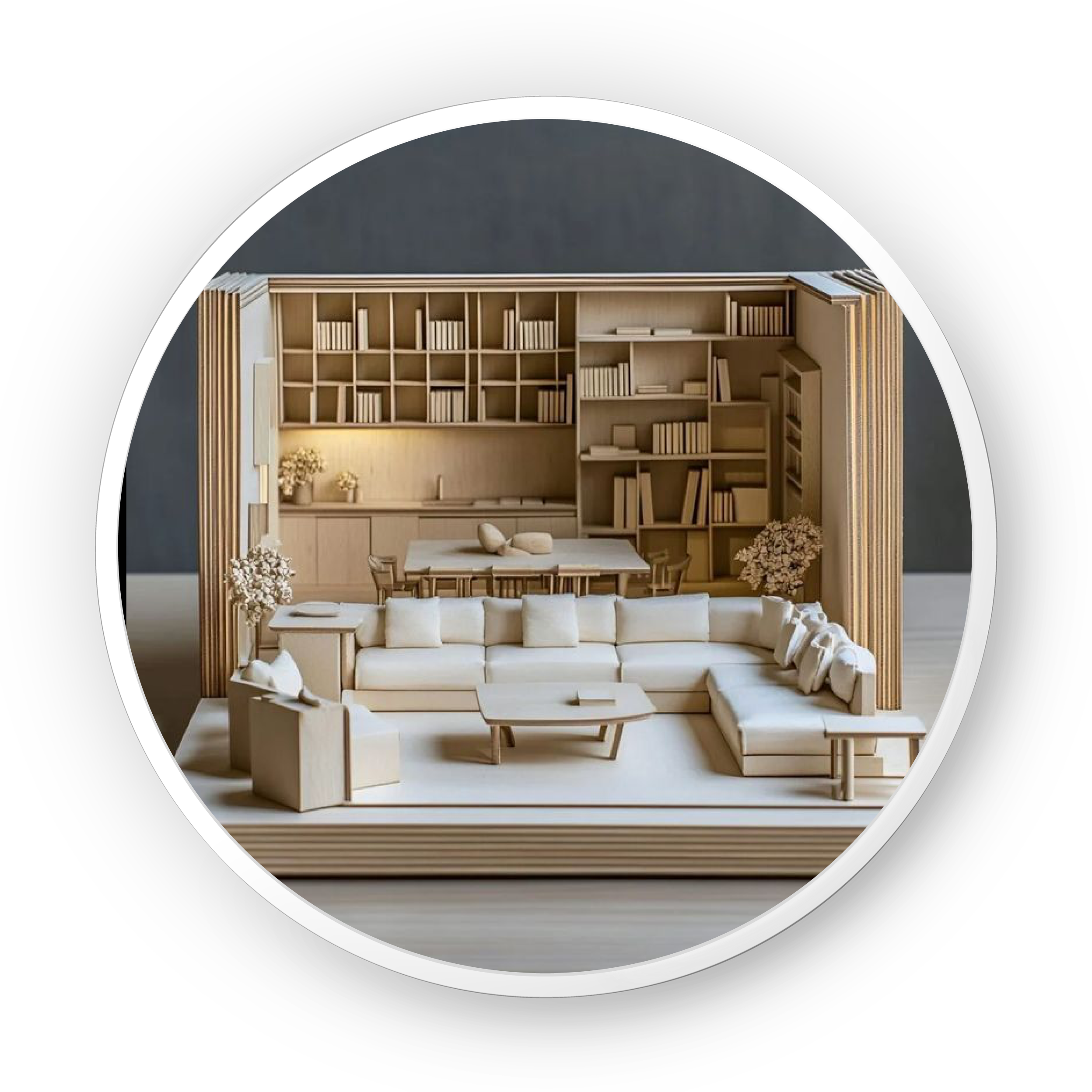
Purpose:
- Refine interior design elements
- Showcase circulation and furniture arrangements
- Present finishes and lighting strategies
Experimental Models – Innovation & Exploration
Experimental models are built to explore non-conventional ideas, forms, or materials. Architects use them to push boundaries, test new construction techniques, or express conceptual themes that don’t necessarily follow traditional rules.
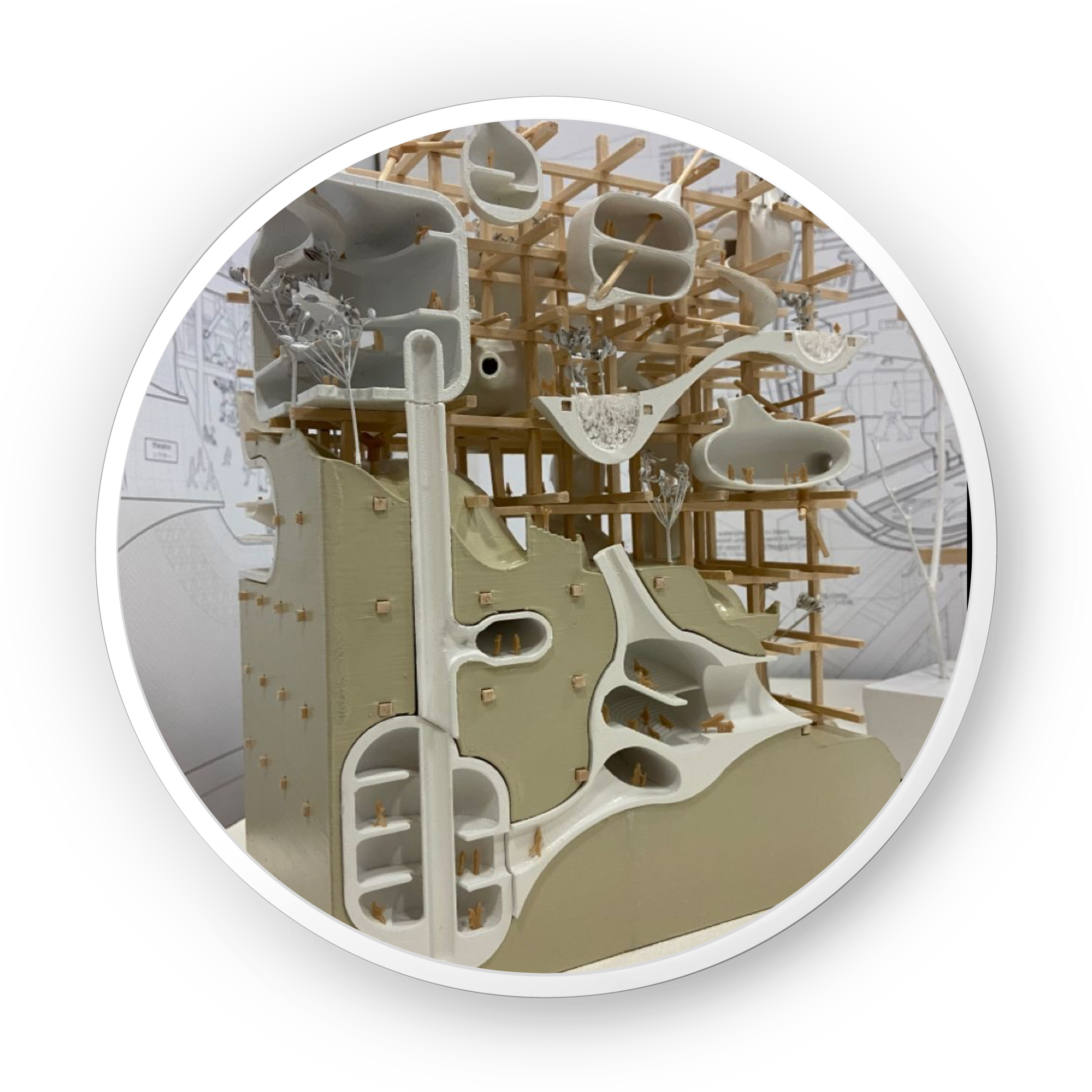
Purpose:
- Inspire creativity
- Explore new materials and methods
- Investigate architectural theories
Final Thoughts
Architectural models are essential communication tools that guide the entire design process—from brainstorming to final presentations and construction. Understanding the types of models and their purposes helps architects plan more efficiently, communicate better, and innovate boldly.