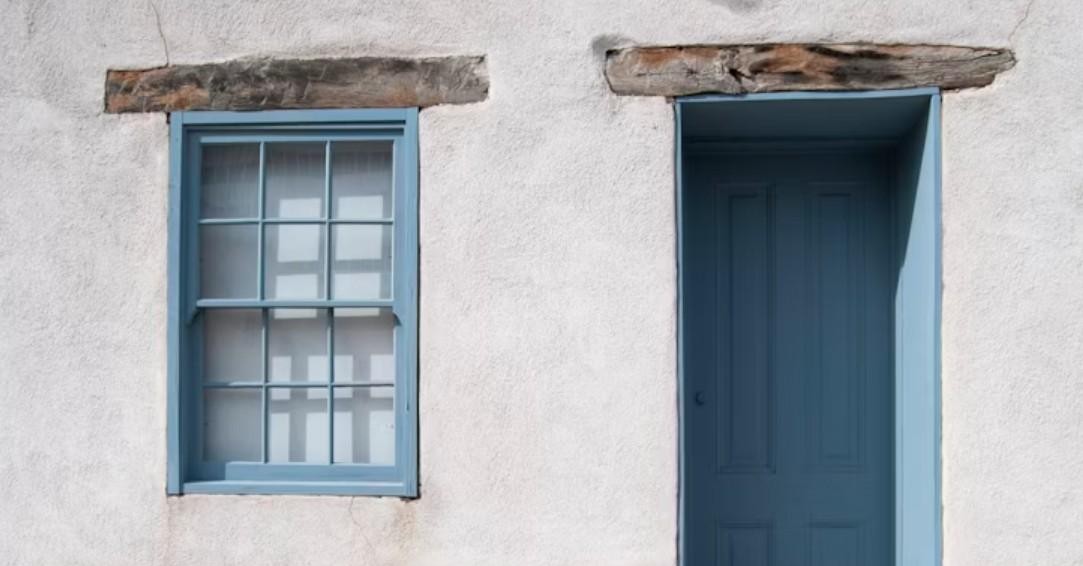
Types of Lintels in Architecture
In architecture and construction, lintels are small elements that carry a disproportionately important role in the structural and visual integrity of a building. Positioned above openings like doors, windows, and passages, lintels are responsible for transferring the load from the wall above safely to the adjacent structural supports. While they may appear as simple horizontal members, the choice of lintel type significantly affects construction efficiency, cost, durability, and even the design language of a space. From traditional materials like timber and brick to modern reinforced concrete and steel, each lintel type comes with its own structural logic, application context, and performance characteristics. Understanding these differences is essential not just for engineers, but also for architects making informed design and detailing decisions.
RCC Lintel
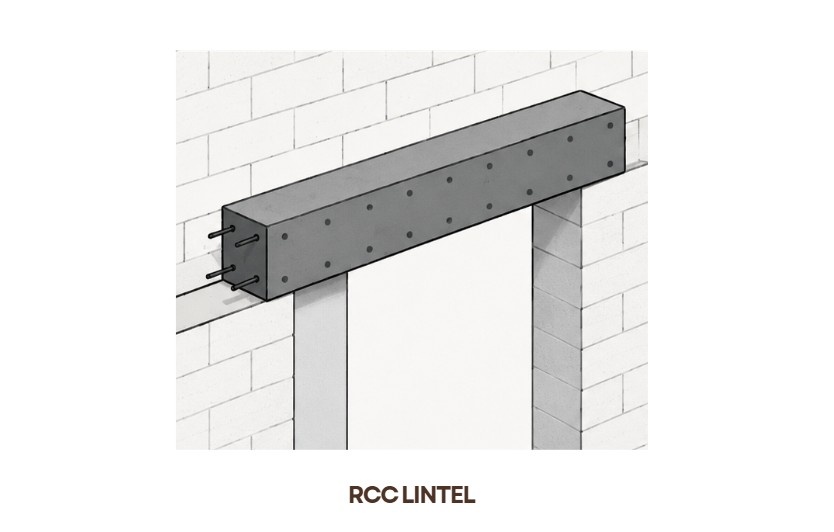
RCC lintels are the most widely used lintel type in contemporary construction due to their strength, durability, and versatility. Made from concrete reinforced with steel bars, these lintels are capable of handling significant loads and spanning wider openings compared to traditional materials. Their ability to be cast in situ or precast gives flexibility during construction, while reinforcement allows them to resist both compressive and tensile stresses effectively. From a practical standpoint, RCC lintels integrate seamlessly with RCC frame structures, making them the default choice in most residential and commercial projects. They also allow for customization in terms of size, shape, and reinforcement detailing based on span and load conditions. However, they require proper shuttering, curing time, and skilled labor, which can impact construction timelines. The key takeaway is that RCC lintels are ideal when durability, load-bearing capacity, and long-term performance are priorities, especially in modern reinforced structures.
Steel Lintel
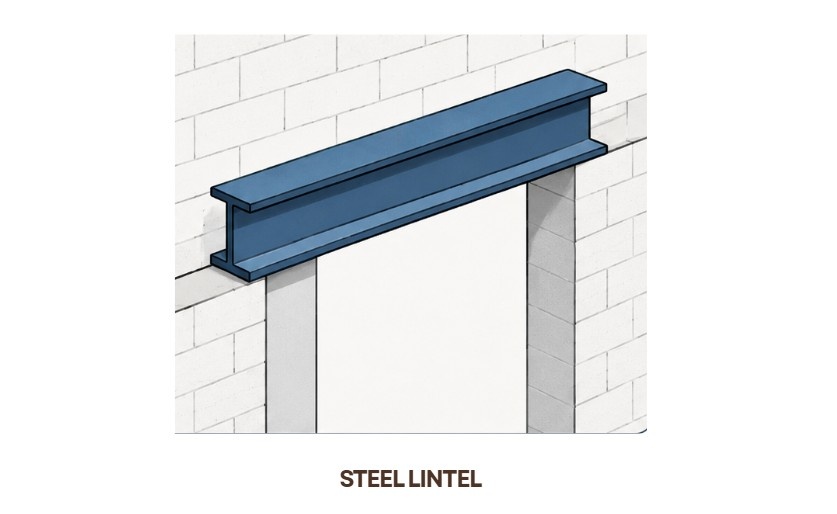
Steel lintels are used where high strength is required with minimal cross-sectional depth, making them particularly useful in situations where space constraints or architectural detailing demand slimmer profiles. Typically made from rolled steel sections like angles, channels, or I-sections, these lintels can support heavy loads while maintaining a relatively lightweight structure. One of their biggest advantages is speed—steel lintels can be installed quickly without waiting for curing, making them suitable for fast-track construction projects. They are also commonly used in industrial buildings or retrofitting works where inserting an RCC lintel may not be feasible. However, steel is susceptible to corrosion and requires protective coatings or fireproofing treatments to ensure longevity. Thermal expansion can also be a consideration in certain climates. Practically, steel lintels work best in projects where speed, strength, and minimal depth are critical, but they demand careful detailing for protection and maintenance.
Brick Lintel
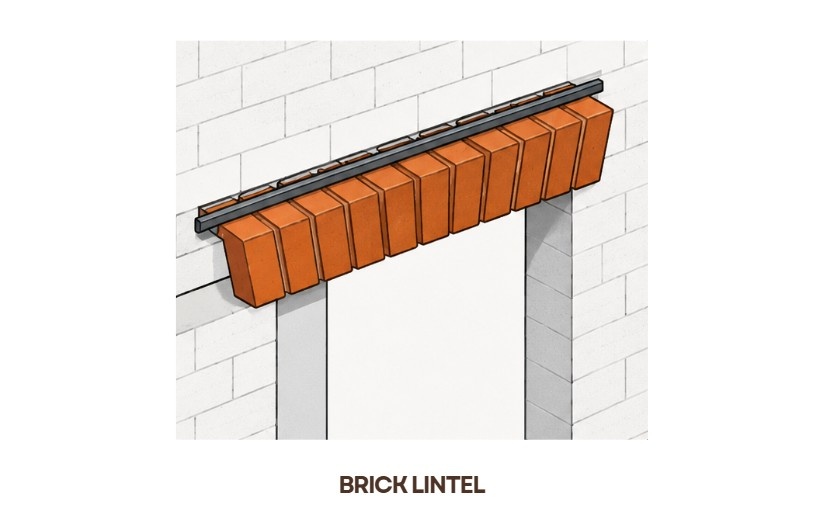
Brick lintels are one of the more traditional forms, constructed using bricks bonded together, sometimes reinforced with steel bars. They are generally suitable for small openings and light loads, making them more common in low-rise or non-load-intensive structures. Structurally, brick lintels rely heavily on proper bonding and mortar strength, which means their performance can vary based on workmanship quality. While they are cost-effective and use locally available materials, their load-bearing capacity is limited, and they are not ideal for larger spans or modern construction demands. From a design perspective, they can blend seamlessly with brick masonry walls, maintaining material continuity and visual coherence. However, they are gradually becoming less common due to the availability of stronger alternatives like RCC. The practical takeaway is that brick lintels are best suited for small spans in traditional or low-cost construction, where loads are minimal and material consistency is desired.
Timber Lintel
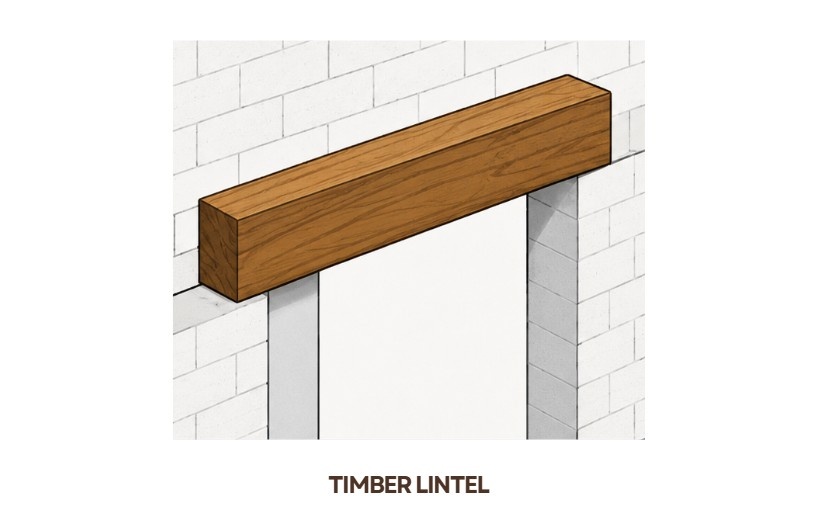
Timber lintels are among the oldest types used in construction, historically common in regions where wood was abundantly available. These lintels are lightweight, easy to work with, and relatively quick to install, making them suitable for small openings in traditional buildings. However, timber is highly susceptible to issues like decay, termite attack, and fire, which significantly limits its durability and long-term performance. Over time, timber can also warp or lose strength, especially in humid or variable climatic conditions. In contemporary construction, timber lintels are rarely used structurally but may still appear in restoration projects or vernacular architecture where authenticity is important. From a practical standpoint, timber lintels are not recommended for modern structural use unless treated and protected extensively.
Their relevance today is more aesthetic or heritage-driven rather than functional in high-performance buildings.
Conclusion
Lintels may seem like minor structural components, but their selection has a direct impact on both the performance and practicality of a building. RCC lintels dominate modern construction due to their strength and adaptability, while steel lintels offer efficiency and slim profiles for specific applications. Brick and timber lintels, although traditional, are now limited to niche uses where cost, material availability, or heritage value dictate their use. For architects and designers, the key lies in understanding not just the structural capability of each lintel type, but also how it aligns with the overall construction system, budget, and design intent. Making the right choice ensures both safety and seamless integration within the architectural language of the project.
These were some insights on Types of Lintels. Stay tuned for more information on other significant topics in the AEC industry and follow Kaarwan for such detailed guides!
FAQs
1. What is the main purpose of a lintel in construction?
A lintel is used to support the load of the wall above openings like doors and windows, transferring it safely to the sides.
2. Which lintel is most commonly used today?
RCC lintels are the most commonly used due to their strength, durability, and compatibility with modern construction.
3. Can steel lintels replace RCC lintels?
Yes, in certain cases like smaller spans or where faster installation is required, but they need proper protection against corrosion and fire.
4. Are brick lintels still used in construction?
They are used in small-scale or traditional construction but are less common in modern projects due to limited strength.
5. Why are timber lintels not preferred today?
Due to issues like decay, termite attack, and fire risk, timber lintels are not suitable for long-term structural use.