Building Information Modeling (BIM) architecture certification has become essential for professionals looking to advance in the Architecture, Engineering, and Construction (AEC) industry. The certification validates a designer's expertise in using software tools like Revit architecture and provides the skills necessary for effective project execution. But with the rising demand for BIM-certified professionals, understanding certification deadlines, course timelines, and enrollment windows becomes essential.
This article will help you learn about BIM architecture certification deadlines, timelines, and strategies for getting certified without missing opportunities.
Why Pursue BIM Architecture Certification?
BIM has transformed how the AEC industry approaches design and construction. Professionals with BIM certification gain access to exciting job roles and projects focused on sustainability, efficiency, and accuracy.
Industry Relevance of BIM Certification
BIM architecture has expanded significantly, with nearly 73% of companies in the AEC industry adopting BIM technology in the last decade. Employers now seek professionals certified in Revit architecture and other BIM tools to stay competitive and enhance project collaboration. Additionally, a BIM certification course online equips you with skills to deliver on BIM projects effectively and make an impact on critical construction tasks.
Enhanced Career Opportunities
A BIM certification can open up new opportunities in architectural and construction firms, as companies often prioritize certified professionals. With a certification, you could transition into roles such as BIM Architect, BIM Manager, or Digital Design Specialist.
_1730118931004.jpg)
BIM model_©Urbana BIM on pinterest.com
Types of BIM Architecture Certifications
Not all BIM certifications are the same. Different courses vary in scope, focus, and skill level, making it essential to choose a certification course that matches your career aspirations.
Popular BIM Certifications in the Market
There are several BIM certification courses online to choose from, with each providing a unique skill set and experience level. Here are some well-regarded BIM certification options:
- Autodesk Revit Architecture Certification: Recognized globally, this certification focuses on Revit software, covering everything from basic modeling to advanced project management.
- Graphisoft ArchiCAD Certification: This course is ideal for those interested in projects focusing on sustainability and eco-friendly design.
- BIM Manager Certification: For professionals targeting leadership roles, this certification covers BIM management and strategic planning.
These certifications each have distinct enrollment deadlines and availability periods, so timely planning is critical.
Understanding BIM Certification Deadlines
Knowing the timeline for enrolling and completing a BIM certification course online is key to avoiding missed opportunities. Here’s what you need to consider:
Enrollment Periods and Start Dates
Certification courses typically have multiple enrollment windows throughout the year, with classes or modules starting at regular intervals. Popular online BIM courses are often in high demand, so it’s wise to secure your place early.
- Quarterly Enrollment: Some programs offer quarterly enrollment, giving flexibility to join based on your availability. Checking enrollment windows in advance is helpful for planning.
- Rolling Admissions: Several providers offer rolling admissions, enabling students to enroll at any time. This flexibility benefits working professionals or students with varying schedules.
Completion Deadlines
Most BIM architecture certification programs have structured deadlines for completion, ranging from six months to two years. Meeting these deadlines is crucial to avoid additional costs or penalties. Autodesk Revit certification, for instance, typically requires completion within 12 months, which includes assessments and project submissions.
Tips to Meet BIM Certification Deadlines
Managing deadlines in a BIM certification course requires planning, especially for professionals with a busy schedule. Here are some effective strategies:
Set a Study Schedule
To make consistent progress, divide the syllabus into manageable weekly or monthly goals. Creating a timeline helps you complete modules on time and prevents last-minute rushes before deadlines.
Track Assignment Deadlines
Certification courses often include assignments, quizzes, and capstone projects. Tracking these due dates and planning submissions ahead of time ensures that you meet every requirement without stress.
Use Available Course Resources
Many online BIM certification courses offer tools to aid your learning, such as virtual mentoring, online discussion forums, and progress trackers. Using these resources not only enriches your knowledge but also keeps you on track with certification timelines.
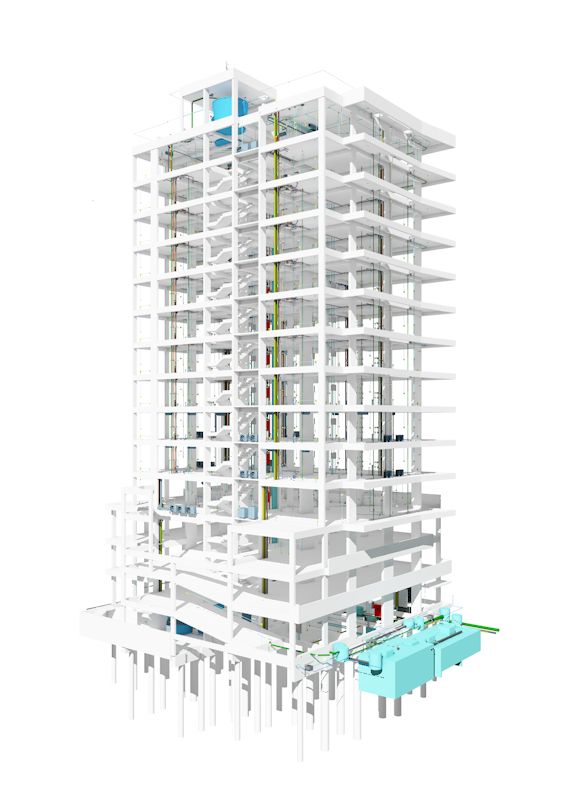
BIM model_©Urbana BIM on pinterest.com
Benefits of Pursuing a BIM Certification Course Online
Opting for an online BIM certification course offers several advantages:
Flexibility for Professionals
Online courses allow working architects and engineers to learn without disrupting their schedules. Flexible modules mean you can work on your certification at times that suit you best, making it easier to balance studies with a job.
Reduced Costs
Compared to in-person courses, online certifications often come at a fraction of the cost. Some platforms offer high-quality courses and discounts, making BIM education more accessible.
Enhanced Job Prospects
With a BIM certification on your resume, you stand out in the competitive AEC job market. Many hiring managers recognize certifications from Autodesk and other accredited providers as evidence of a candidate’s skills.
Conclusion
Choosing the right BIM architecture certification and managing its deadlines can significantly impact your career. Start by identifying a certification that aligns with your goals, such as Revit architecture for technical skills or a BIM Manager Certification for leadership roles. Then, keep an eye on enrollment windows and set up a realistic study schedule to stay on track.
Certification deadlines should not be viewed as challenges but as structured milestones that push you toward growth. By understanding enrollment and completion deadlines, you can plan effectively, manage coursework, and build a strong foundation in BIM architecture.
Are you ready to take the next step in your architecture career with a BIM certification? Join our Professional Revit & BIM Certification Course today!
Visit the Kaarwan website for more insights!
FAQs
1. How much time is required to learn BIM?
Learning BIM basics typically takes 3 to 6 months with consistent study. However, mastery can require up to a year, depending on the complexity and depth of the projects.
2. Is a BIM certification worth it?
Yes, a BIM certification is valuable. It validates your skills, improves job prospects, and can increase earning potential by showcasing proficiency to employers.
3. What do I need to know about BIM?
BIM involves digital modeling of building projects, helping professionals in planning, designing, and managing construction workflows with high precision and collaboration.
4. Does BIM require coding?
Basic BIM does not require coding. However, advanced BIM roles, like BIM managers, may benefit from coding skills to customize workflows or integrate tools.
5. What is the highest salary in BIM?
Senior BIM professionals, such as BIM Managers or BIM Directors, can earn up to $120,000 annually, though salaries vary by region and expertise level.
6. Is BIM better than CAD?
BIM surpasses CAD in functionality, offering 3D modeling with data-rich elements that aid in project management and lifecycle analysis, unlike CAD’s 2D drawing focus.
7. Is BIM high in demand?
Yes, BIM skills are in high demand due to their efficiency in improving construction accuracy, reducing waste, and enabling sustainability.
8. Which country is best for BIM jobs?
The U.S., U.K., and Australia are top countries for BIM careers, with high demand for BIM professionals driven by construction industry growth and advanced BIM adoption.
9. Is BIM a good career path?
BIM is a promising career path with high demand, offering opportunities for innovation and progression in architecture, construction, and engineering sectors.
10. Can I learn BIM on my own?
Yes, you can learn BIM independently through online courses, tutorials, and practice. However, a structured course or certification can provide a clearer learning path and faster mastery.