Energy-efficient practices are critical to creating sustainable infrastructure, especially in a rapidly urbanizing country like India. However, transitioning to energy-efficient buildings in India is not without its hurdles. This article will help you learn about the barriers preventing widespread adoption in the Indian construction industry and ways to overcome them.
Understanding Energy-Efficient Buildings
Energy-efficient buildings minimize energy consumption without compromising comfort. They employ technologies like efficient lighting, renewable energy sources, and improved insulation. In India, these buildings are vital to address growing energy demands and reduce environmental impacts.
Despite their benefits, the adoption of energy-efficient methods in Indian construction lags behind global trends. Why does this disparity exist? The reasons range from lack of awareness to financial constraints, as explained below.
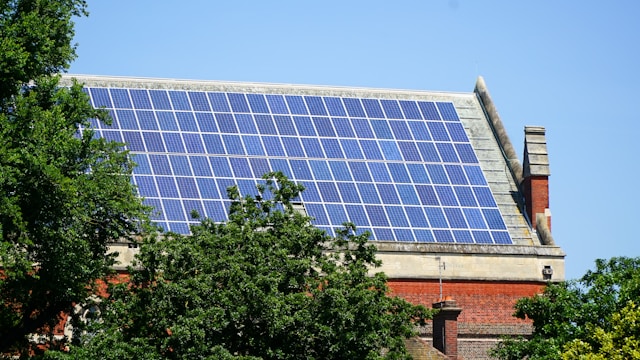
Barriers to Implementing Energy-Efficient Practices
1. High Initial Investment Costs
Energy-efficient construction requires advanced technologies and materials. Items like high-performance insulation, double-glazed windows, and solar panels often carry a premium price tag.
- Builders and developers are hesitant to incur these upfront costs without guarantees of quick returns.
- A survey by the Indian Green Building Council (IGBC) showed that developers perceive green building projects to cost 15-20% more than conventional buildings.
While these costs are eventually offset by reduced energy bills, the initial financial burden deters many stakeholders.
2. Limited Awareness and Expertise
How often do we see construction projects emphasizing energy efficiency? The truth is, awareness of sustainable construction practices remains limited in India.
- Many architects, engineers, and contractors lack formal training in energy-efficient technologies.
- Additionally, there’s a gap in understanding the long-term benefits among stakeholders.
For instance, research by the Energy and Resources Institute (TERI) highlights that less than 25% of Indian builders are familiar with advanced energy-saving solutions.
3. Regulatory Challenges
India has implemented regulations like the Energy Conservation Building Code (ECBC), but enforcement remains weak.
- Local bodies often lack the expertise to monitor compliance.
- Inconsistencies in policies across states further hinder implementation.
A notable example is the uneven adoption of the ECBC across metropolitan and smaller cities, creating disparities in energy-efficient infrastructure development.
4. Lack of Financial Incentives
While energy-efficient buildings promise lower operational costs, financing their construction remains a challenge.
- Financial institutions in India rarely offer favorable loans or incentives for green projects.
- Developers also find it difficult to communicate the added value of energy efficiency to potential buyers.
5. Cultural and Behavioral Barriers
Cultural norms and behavioral patterns also impede energy-efficient practices.
- Many Indian homeowners prioritize aesthetics over functionality.
- The perception that sustainable features might compromise comfort or increase maintenance costs persists.
For instance, buyers often shy away from installing solar panels due to misconceptions about durability and efficiency during monsoons.
Overcoming Barriers to Energy Efficiency
1. Lowering the Cost of Technologies
Cost-effective alternatives must be prioritized to encourage adoption.
- Government subsidies and tax incentives for energy-efficient equipment can ease financial concerns.
- Programs like "Energy Efficiency Services Limited" (EESL) aim to make LED bulbs and efficient appliances affordable, setting a model for broader applications.
2. Enhancing Training and Awareness
Educational initiatives can empower professionals in the construction industry.
- Workshops and certification programs, like those offered by IGBC, can build expertise in designing energy-efficient buildings in India.
- Awareness campaigns targeting buyers can highlight long-term savings and environmental benefits.
3. Strengthening Policy Enforcement
Streamlined and enforceable regulations are essential for success.
- Authorities should make compliance with the ECBC mandatory across all states.
- Regular audits and penalties for non-compliance can motivate stakeholders to adhere to sustainable practices.
4. Financial Support for Sustainable Construction
Affordable financing is crucial to overcoming monetary barriers.
- Banks should offer green mortgages with lower interest rates for energy-efficient homes.
- Incentive programs can make green construction more appealing to developers and buyers alike.
5. Shifting Cultural Perceptions
Educating consumers on the value of energy efficiency can change buying behaviors.
- Showcasing success stories of energy-efficient homes can build trust.
- Government-sponsored advertising highlighting the compatibility of sustainability with comfort can reduce skepticism.
Examples of Success in India
1. Rajiv Gandhi International Airport, Hyderabad
This airport integrates renewable energy and efficient cooling systems, reducing energy consumption by 30%. Its success demonstrates how large-scale projects can prioritize sustainability without sacrificing functionality.
2. Infosys Campuses
Infosys has implemented energy-efficient practices across its campuses, achieving 40% energy savings. Their experience proves that long-term investment in green technologies yields significant operational benefits.
3. Godrej Green Homes
Godrej Properties has built certified green homes that optimize energy use and water management, reflecting the growing demand for sustainable housing in urban India.
Why Energy-Efficient Buildings Are Vital for India's Future
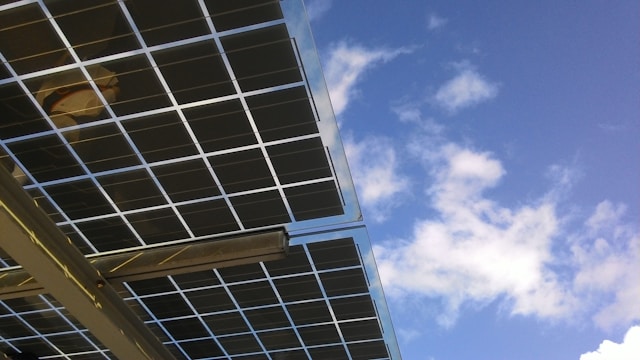
Energy-efficient practices can significantly reduce India’s carbon footprint, alleviate the energy crisis, and promote economic growth. With buildings accounting for nearly 30% of energy consumption, the transition to sustainable practices is no longer optional—it is a necessity.
Conclusion
Adopting energy-efficient practices in Indian construction requires overcoming several challenges. While high costs, regulatory issues, and limited awareness pose barriers, strategic measures like policy enforcement, financial incentives, and public education can bridge the gap. Success stories in India prove that sustainable construction is achievable and beneficial in the long term.
By addressing these challenges head-on, the Indian construction industry can lead the way toward a greener, more sustainable future. Implementing energy efficiency is not just about reducing costs—it's about building a legacy of environmental responsibility.
The future of architecture is bright, but are your skills keeping pace? Kaarwan's architecture-specific courses provide you with the knowledge and tools to confidently navigate the AEC industry. Gain valuable insights, master in-demand software, and stand out with designs that impress!
FAQs
Q1. What are energy-efficient buildings and why are they important in India?
A1. Energy-efficient buildings minimize energy use without reducing comfort by employing technologies like efficient lighting and renewable energy. In India, they address rising energy demand and environmental concerns.
Q2. What are the main financial barriers to implementing energy-efficient practices in Indian construction?
A2. High initial costs for advanced materials like double-glazed windows and solar panels deter adoption. Developers perceive green projects to cost 15-20% more, despite long-term savings.
Q3. How does lack of awareness impact energy-efficient construction in India?
A3. Limited awareness among architects and contractors slows adoption. A TERI study found less than 25% of builders in India understand advanced energy-saving technologies, emphasizing the need for education.
Q4. What regulatory challenges hinder energy efficiency adoption in India?
A4. Weak enforcement of the Energy Conservation Building Code (ECBC) and inconsistent policies across states create disparities in energy-efficient practices, especially between metro and smaller cities.
Q5. How can financial support encourage energy-efficient construction in India?
A5. Green mortgages, government subsidies, and lower interest rates can reduce financial burdens. Incentives like these make sustainable construction more appealing for developers and buyers.