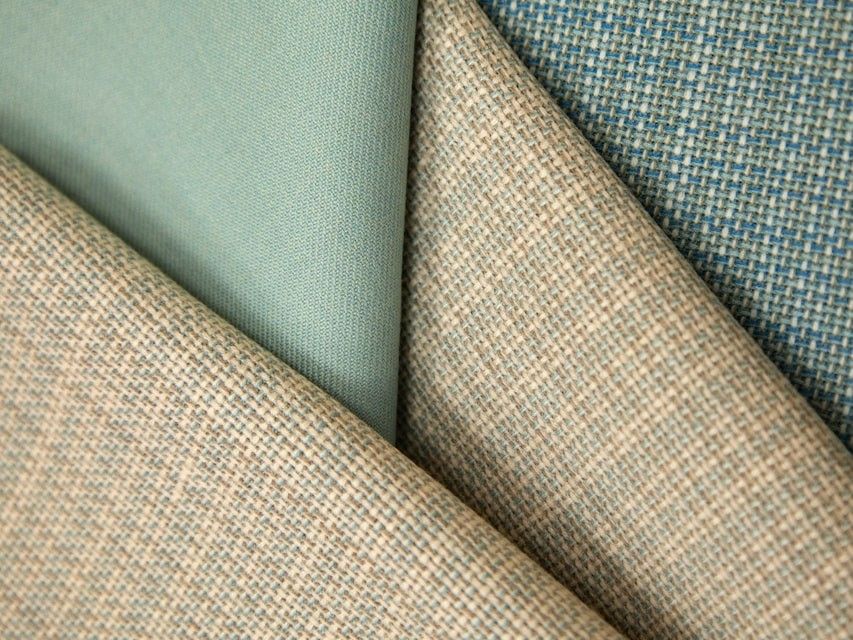
Types of Sofa Upholstery
Sofa upholstery is not just a material choice—it directly influences a space’s tactile experience, visual character, durability, and maintenance lifecycle. In architectural and interior design practice, upholstery selection must respond to climate, usage intensity, spatial aesthetics, and user lifestyle, rather than just color or trend.
From breathable natural fabrics to high-performance synthetics, each upholstery type behaves differently in terms of comfort, aging, and upkeep. This guide explores the most commonly used sofa upholstery types—cotton, leather, velvet, polyester, and jute—through a practical lens covering look and feel, comfort, use cases, and maintenance considerations.
Cotton Upholstery
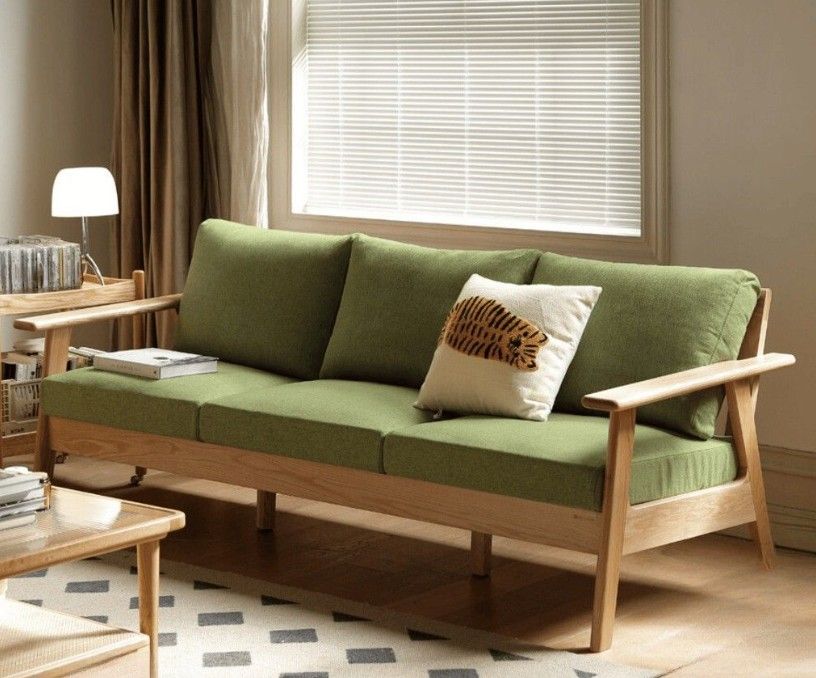
Cotton is a natural fabric widely used in residential interiors for its soft, breathable, and casual appeal. It offers a matte finish and a relaxed texture that works well in minimal, Scandinavian, and contemporary Indian homes.
In terms of comfort, cotton performs well in warm climates, as it allows air circulation and prevents heat retention, making it ideal for everyday lounging. However, it tends to wrinkle and absorb moisture easily, which can lead to staining if not treated.
From an architectural use-case perspective, cotton upholstery is best suited for low to moderate traffic areas such as living rooms or private lounges. It pairs well with wooden or neutral-toned interiors, enhancing a light and airy spatial quality.
Maintenance-wise, cotton requires regular cleaning and protective treatments like stain guards, especially in homes with kids or pets. Removable covers are often preferred for ease of washing.
Leather Upholstery
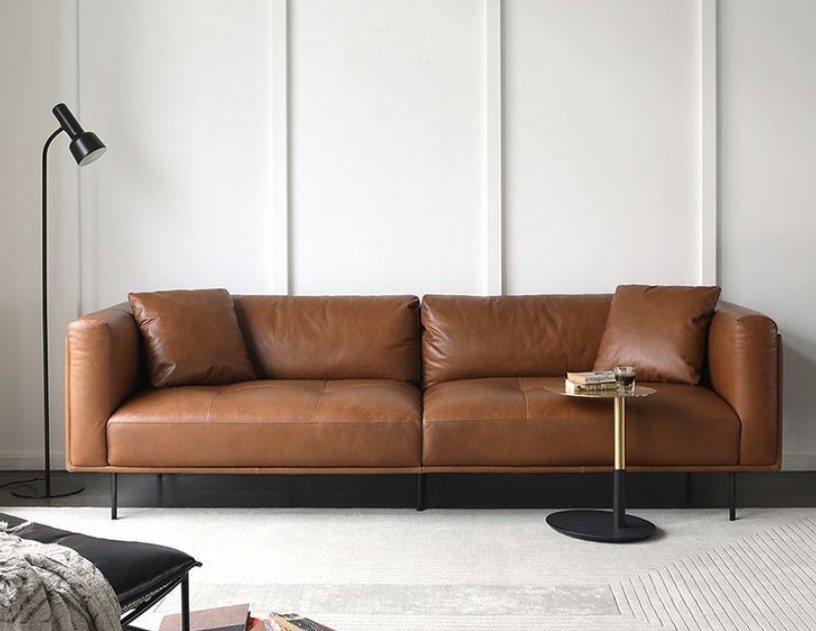
Leather is a premium upholstery material known for its smooth texture, subtle sheen, and timeless appeal. It adds a sense of luxury and visual weight to interiors, often used in modern, industrial, or executive-style spaces.
Comfort-wise, leather adapts to body temperature over time but can feel warm in hot climates and slightly cold in air-conditioned spaces initially. Its biggest advantage lies in its durability and aging quality, as it develops a natural patina over time.
Architecturally, leather is ideal for formal living areas, offices, and high-use furniture, where longevity and easy cleaning are priorities. It works well in spaces with controlled environments (AC interiors).
Maintenance is relatively simple—dusting and occasional conditioning—but it is sensitive to scratches and direct sunlight, which can cause fading or cracking if untreated.
Velvet Upholstery
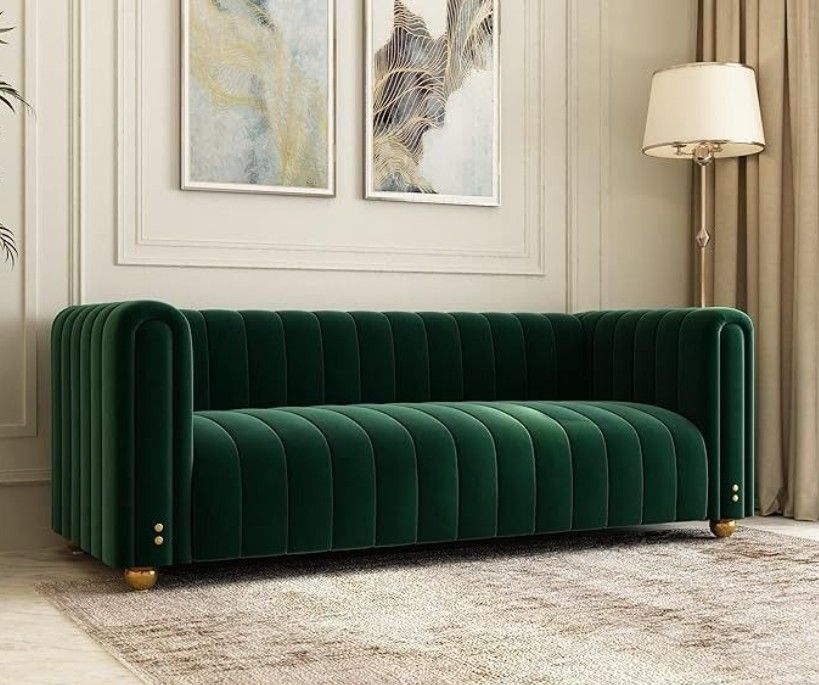
Velvet is characterized by its plush pile texture and rich, light-reflective surface, giving it a luxurious and dramatic visual presence. It instantly elevates the spatial aesthetic, making it a favorite for statement furniture pieces.
In terms of comfort, velvet feels soft and warm, making it suitable for cozy seating. However, it tends to trap heat and dust, which may not be ideal in humid climates without air conditioning.
From a design standpoint, velvet is best used in accent sofas, formal lounges, or low-traffic areas, where visual impact is prioritized over heavy use. It pairs beautifully with metallic accents, deep color palettes, and layered interiors.
Maintenance requires care—velvet is prone to pressure marks, dust accumulation, and staining, and typically needs gentle cleaning or professional care.
Polyester Upholstery
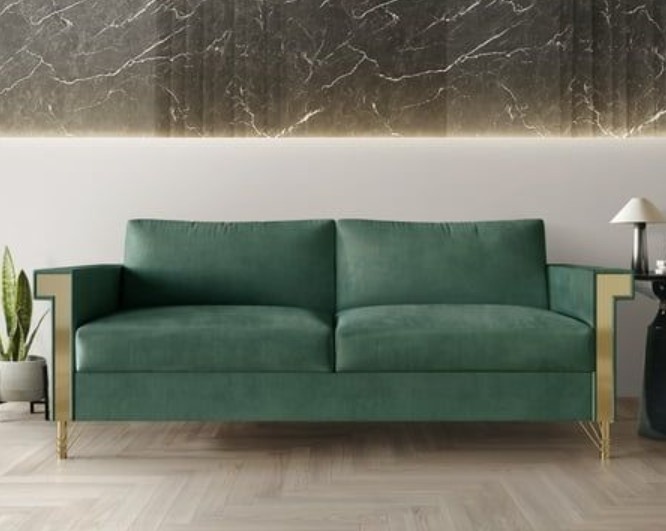
Polyester is a synthetic fabric engineered for durability, stain resistance, and cost efficiency. It is one of the most commonly used upholstery materials in contemporary interiors due to its versatility and performance.
Comfort-wise, polyester can mimic the feel of natural fabrics but may feel less breathable in hot climates. However, modern blends often improve this aspect.
Architecturally, polyester is ideal for high-traffic zones, including family living rooms, rental properties, and commercial seating. It is often used in blends to enhance strength and wrinkle resistance.
Maintenance is one of its biggest advantages—it is easy to clean, resistant to fading, and less prone to wrinkles, making it a practical choice for everyday use.
Jute Upholstery
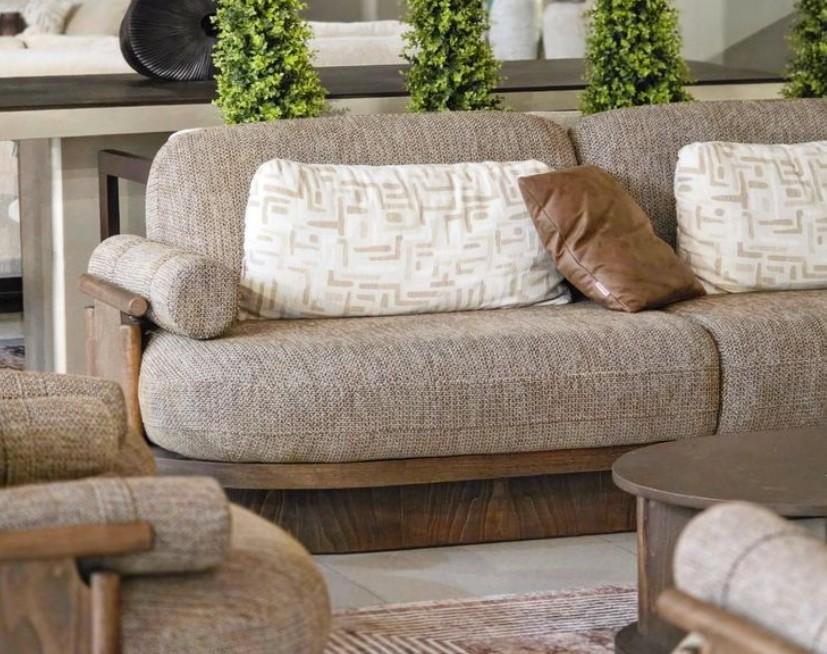
Jute is a natural fiber known for its coarse texture and earthy aesthetic. It introduces a strong tactile quality and is often associated with sustainable and rustic design approaches.
In terms of comfort, jute is less soft compared to other fabrics, making it more suitable for accent seating rather than primary sofas. It performs well in dry conditions but can be sensitive to moisture and humidity.
From an architectural perspective, jute works well in bohemian, tropical, or eco-conscious interiors, where material authenticity is emphasized. It pairs effectively with natural materials like wood, cane, and stone.
Maintenance can be challenging—jute is prone to fiber shedding, staining, and moisture damage, requiring careful placement and limited exposure to spills.
Conclusion
Selecting the right upholstery is a balance between aesthetics, comfort, durability, and context. While cotton and jute bring natural warmth, leather and velvet introduce richness and character. Polyester, on the other hand, offers a high-performance, low-maintenance solution for everyday living.
In architectural and interior design, upholstery should be viewed as a functional surface layer, one that directly interacts with users while reinforcing the overall spatial narrative.
These were some insights on Types of Upholstery. Stay tuned for more information on other significant topics in the AEC industry and follow Kaarwan for such detailed guides!
FAQs
1. Which upholstery is best for Indian climates?
Cotton and polyester blends work best due to their breathability and durability in warm conditions.
2. Is leather suitable for homes in hot regions?
It can be used, but performs better in air-conditioned interiors as it may feel warm in high temperatures.
3. Which upholstery is easiest to maintain?
Polyester is the most low-maintenance due to its stain resistance and durability.
4. Is velvet good for everyday use?
Not ideal for high-traffic areas—it is better suited for accent or formal seating.
5. Is jute upholstery comfortable for sofas?
It is more suitable for occasional seating due to its coarse texture.