Architecture is evolving, and computational design in Rhino is at the forefront of this transformation. As someone passionate about architectural innovation, I’ve been amazed by how Rhino, coupled with Grasshopper, is reshaping the way we design. Whether you’re an architecture student exploring parametric design or a professional aiming to improve efficiency, understanding the impact of computational design in Rhino is essential.
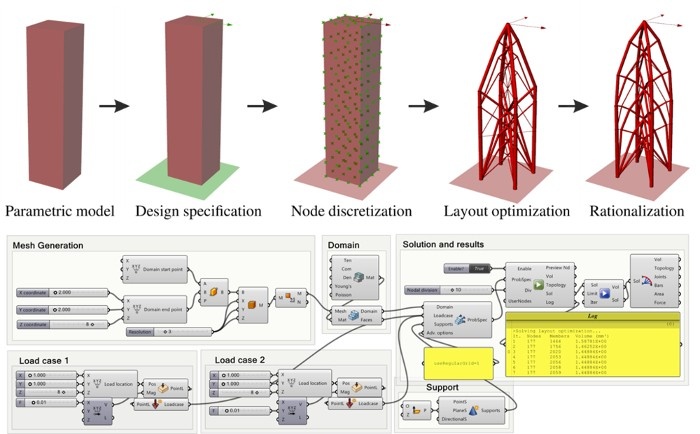
Image Credit: aecmag.com
In this post, I’ll dive into how this powerful tool is changing the industry, explore real-world applications, and discuss why getting a Rhino certification can elevate your career.
What is Computational Design in Rhino?
Computational design refers to the use of algorithms and digital tools to create complex architectural forms that were previously impossible to achieve manually(visit what those who dared to learn with us created!).
Rhino architecture leverages Grasshopper, a visual scripting language, to generate intricate and efficient designs with precision. This approach allows architects to:
- Automate repetitive tasks
- Optimize structural performance
- Create complex geometries effortlessly
- Experiment with dynamic parametric models
Why Rhino Stands Out in Computational Design
Rhino is widely regarded as one of the most versatile software tools in architecture due to its powerful modeling capabilities. Here’s why it's a game-changer:
1. Seamless Integration with Grasshopper
Unlike other 3D modeling software, Rhino’s native integration with Grasshopper allows designers to manipulate geometry through algorithms. This makes it possible to develop parametric designs that can be modified in real-time with simple adjustments.
2. Precision and Flexibility
Rhino architecture stands out for its ability to handle complex surfaces and organic shapes with unmatched precision. Whether you're designing a futuristic skyscraper or a parametrically optimized façade, Rhino ensures accuracy down to the smallest detail.
3. Cross-Platform Compatibility
Rhino supports a wide range of file formats, making it an excellent choice for collaborative projects. Architects can seamlessly integrate Rhino with software like Revit, AutoCAD, and even VR platforms.
4. Customization Through Plugins
Rhino’s open-source nature enables developers to create plugins that expand its capabilities. Some essential plugins include:
- Kangaroo – For physics-based modeling
- Ladybug & Honeybee – For environmental analysis
- Weaverbird – For mesh subdivision and smoothing
Real-World Applications of Rhino Architecture
1. Parametric Skyscrapers
Many modern skyscrapers use computational design to optimize energy efficiency and aesthetics. For instance, the Al Bahar Towers in Abu Dhabi feature a dynamic facade that responds to sunlight, reducing heat gain through computational algorithms.
2. Sustainable Architecture
Environmental design is more crucial than ever, and Rhino Software plays a significant role in creating energy-efficient structures. Architects can use Grasshopper to simulate sun paths, wind patterns, and material performance to minimize environmental impact.
3. 3D Printing and Fabrication
Rhino is widely used in digital fabrication, allowing architects to create intricate 3D-printed models, furniture, and even entire structures. Computational design ensures that components fit perfectly and reduce material waste.
4. Adaptive Reuse and Restoration
Historical buildings can be digitally reconstructed using Rhino to explore adaptive reuse strategies. This allows architects to preserve heritage while integrating modern elements seamlessly.
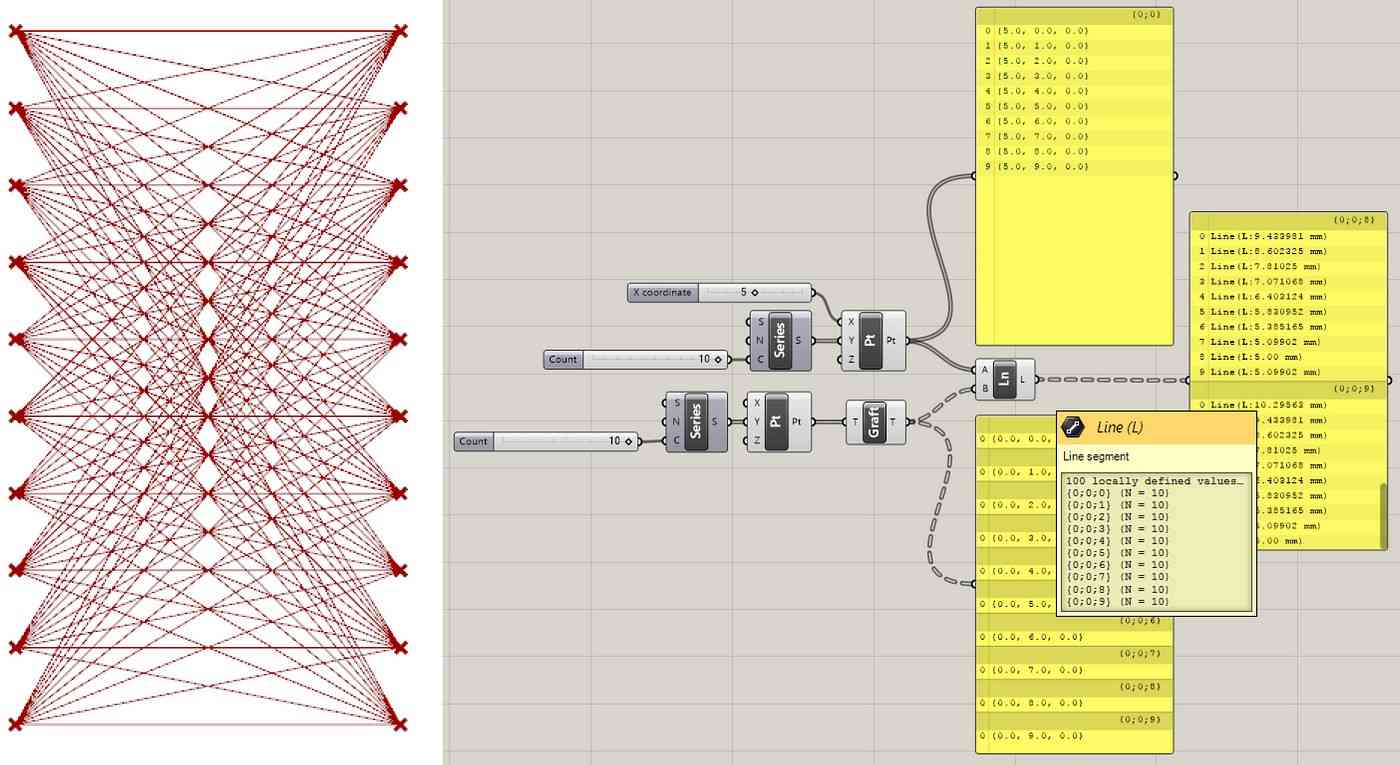
Image Credit: Danil Nagy
Learning Computational Design: Why Rhino Certification Matters
If you're serious about excelling in parametric design, getting a Rhino certification can set you apart. Here’s why:
- Career Advancement – Many firms prioritize certified professionals for their advanced modeling skills.
- Project Efficiency – A structured learning process helps in mastering Rhino and Grasshopper quickly.
- Global Recognition – Rhino certification validates your expertise and opens international job opportunities.
How to Get Started with Computational Design in Rhino
1. Master the Basics
If you're new to Rhino, start by learning the fundamental modeling techniques. Free tutorials and online courses are a great way to build foundational knowledge.
2. Explore Grasshopper
Grasshopper’s visual scripting environment is key to computational design. Spend time experimenting with different nodes and logic flows to understand its full potential.
3. Work on Real Projects
The best way to learn is through hands-on experience. Try replicating famous parametric designs or create your own concept models to strengthen your skills.
4. Enroll in an Advanced Course
If you want to dive deeper, consider taking an advanced Rhino course. Many institutions offer certification programs that provide structured learning and practical projects.
Conclusion
Computational design in Rhino is revolutionizing the architectural landscape. Whether it’s for parametric facades, sustainable buildings, or digital fabrication, Rhino architecture offers limitless possibilities. As this technology continues to evolve, mastering Rhino and obtaining a Rhino certification can give you a competitive edge in the industry.
Looking to elevate your skills? Enrol in an Advanced Rhino & Grasshopper Course today and become an expert in computational design!
Visit our website Kaarwan for more!
Frequently Asked Questions (FAQs)
What is computational design in Rhino?
Computational design in Rhino refers to using algorithms and parametric modeling techniques to create complex architectural forms with precision and efficiency.
Why should architects learn Rhino?
Rhino provides powerful modeling tools, seamless integration with Grasshopper, and the ability to create intricate geometries, making it an essential software for modern architects.
Is Rhino certification worth it?
Yes! Rhino certification validates your skills, enhances your career prospects, and helps you master computational design techniques efficiently.
What industries use Rhino architecture?
Rhino is widely used in architecture, industrial design, digital fabrication, and even automotive and jewelry design due to its precision and flexibility.
Where can I learn Rhino and Grasshopper?
There are numerous online courses, tutorials, and certification programs available. Advanced Rhino courses provide structured learning for mastering computational design.
Image Credit: McNeelForum