Sustainability in architecture is no longer a niche interest—it’s a necessity. With the construction industry responsible for nearly 40% of global carbon emissions, architects play a crucial role in reducing environmental impact. One of the most effective ways to achieve this is through the materials used in construction.
Sustainable materials not only minimise ecological harm but also enhance energy efficiency, reduce costs in the long run, and create healthier spaces. Whether you’re designing residential homes, commercial buildings, or urban landscapes, integrating sustainable materials is essential for the future of architecture.
1. Bamboo – The Green Steel
Bamboo is often called “green steel” because of its incredible strength-to-weight ratio. Unlike traditional timber, bamboo grows rapidly and regenerates without the need for replanting.
Why Bamboo?
- Grows up to 36 inches in a day, making it highly renewable.
- Naturally pest-resistant, reducing the need for chemical treatments.
- Stronger than some concrete mixes, making it ideal for structural applications.
From scaffolding to flooring and even entire buildings, bamboo’s versatility makes it an excellent sustainable choice.
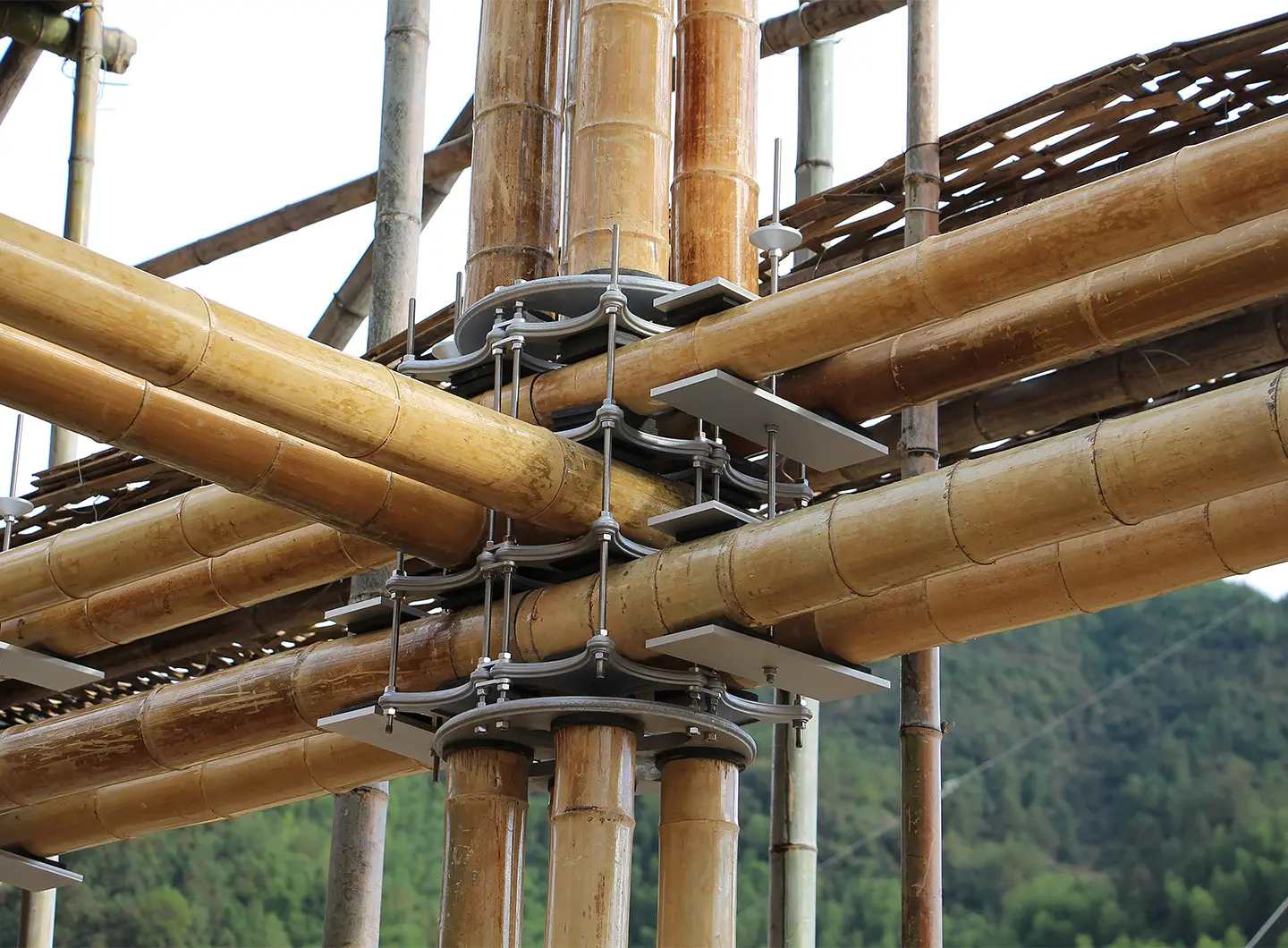
Image Credits - Salone del Mobile Milano
2. Rammed Earth – Nature’s Concrete
Rammed earth construction is an ancient technique that has made a strong comeback in sustainable architecture. It involves compacting layers of earth, sand, and clay to create solid, load-bearing walls.
Why Rammed Earth?
- Provides natural insulation, reducing heating and cooling costs.
- Extremely durable, lasting for centuries with minimal maintenance.
- Uses locally sourced materials, lowering transportation emissions.
This material creates stunning, earthy aesthetics while being one of the most sustainable building options available.
3. Recycled Steel – Strength with Sustainability
Steel production is energy-intensive, but recycling it significantly reduces its environmental impact. Recycled steel retains the same strength as new steel, making it a highly sustainable choice for modern architecture.
Why Recycled Steel?
- Reduces energy consumption by up to 75% compared to producing new steel.
- 100% recyclable without quality loss.
- Resistant to extreme weather conditions, making it ideal for disaster-resistant buildings.
Skyscrapers, bridges, and residential buildings benefit from the durability and sustainability of recycled steel.
4. Cross-Laminated Timber (CLT) – The Future of Wood Construction
Cross-laminated timber (CLT) is an engineered wood product made by layering wood panels in alternating directions and bonding them together. It offers a sustainable alternative to concrete and steel.
Why CLT?
- Uses less energy in production compared to concrete or steel.
- Enhances insulation, reducing energy costs.
- Carbon-negative, as it stores CO₂ instead of emitting it.
As mass timber structures gain popularity, CLT is becoming a staple in sustainable architecture.
5. Mycelium – The Living Material
Mycelium, the root structure of fungi, is emerging as an innovative sustainable material. It can be grown into various shapes and used for insulation, panels, and even furniture.
Why Mycelium?
- Fully biodegradable and compostable.
- Naturally fire-resistant and insulating.
- Requires minimal resources to grow, making it highly sustainable.
Though still in experimental stages, mycelium’s potential in eco-friendly construction is vast.

Image Credits - Alex Hyde
6. Hempcrete – The Carbon-Negative Concrete Alternative
Hempcrete is a bio-composite material made from hemp fibres, lime, and water. It offers a sustainable alternative to traditional concrete.
Why Hempcrete?
- Highly breathable, preventing mould and humidity issues.
- Carbon-negative, meaning it absorbs more CO₂ than it emits.
- Lightweight yet durable, reducing structural strain.
Hempcrete is ideal for insulation and non-load-bearing walls in green buildings.
7. Recycled Plastic – Turning Waste into Wonder
With plastic waste being a global crisis, recycled plastic is gaining traction as a construction material. It is used for bricks, roofing, and even roads.
Why Recycled Plastic?
- Diverts waste from landfills and oceans.
- Resistant to moisture, pests, and decay.
- Energy-efficient to produce compared to traditional materials.
This material gives new life to plastic waste while promoting circular economy practices.
8. Straw Bale – A Natural Insulator
Straw bale construction is an age-old technique that remains relevant due to its excellent insulation properties.
Why Straw Bale?
- Provides natural insulation, reducing reliance on heating and cooling systems.
- Made from agricultural byproducts, reducing waste.
- Biodegradable and non-toxic, making it safe for the environment.
Straw bale walls create energy-efficient homes that are both sustainable and cost-effective.
9. Ferrock – The Eco-Friendly Concrete Alternative
Ferrock is a revolutionary construction material made from waste steel dust and silica-rich materials. It is a stronger, greener alternative to conventional concrete.
Why Ferrock?
- Absorbs CO₂ during production, making it carbon-negative.
- Five times stronger than regular concrete.
- More flexible and crack-resistant than traditional materials.
Ferrock is paving the way for eco-friendly infrastructure development.
10. Cork – A Renewable Marvel
Cork, harvested from the bark of cork oak trees, is a sustainable and highly functional building material.
Why Cork?
- Naturally resistant to fire, mould, and pests.
- Excellent acoustic and thermal insulation properties.
- Harvesting does not harm trees, ensuring long-term sustainability.
Cork flooring, wall panels, and insulation are popular choices for green architecture.
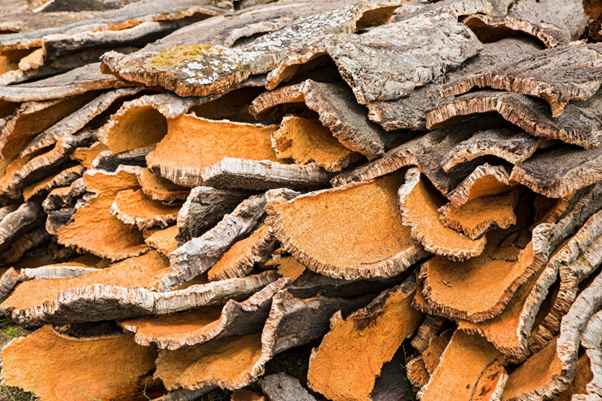
Image Credits - Cosmetics Design
What you'll learn:
- Learn from industry experts and master practitioners.
- Engage in hands-on, project-based learning experiences.
- Connect with a vibrant community of creatives and professionals.
- Receive a certificate to boost your portfolio and credentials.
Conclusion
Sustainable architecture is not just about aesthetics—it’s about responsibility. Choosing eco-friendly materials reduces carbon footprints, enhances energy efficiency, and contributes to a healthier planet. Whether through bamboo’s strength, mycelium’s innovation, or CLT’s versatility, architects have a wealth of sustainable options to integrate into their designs.
By embracing these materials, we move towards a future where buildings are not just functional but also environmentally responsible.
Elevate your architectural designs with sustainable materials!
Join Kaarwan’s Advanced Architecture Course to explore eco-friendly options like bamboo, recycled steel, and hempcrete for greener, more efficient buildings.
FAQs
1. Why is sustainable architecture important?
Sustainable architecture reduces environmental impact, lowers energy consumption, and creates healthier living spaces while conserving resources for future generations.
2. What is the most sustainable building material?
There’s no single answer, but materials like bamboo, recycled steel, hempcrete, and CLT are among the most sustainable due to their low environmental footprint and renewability.
3. Is sustainable construction more expensive?
While initial costs may be higher, sustainable materials often lead to long-term savings through energy efficiency, durability, and reduced maintenance.
4. Can recycled materials be as strong as new ones?
Yes, materials like recycled steel and ferrock maintain or even exceed the strength of their non-recycled counterparts.
5. How can architects ensure sustainability in projects?
By prioritising eco-friendly materials, energy-efficient designs, and sustainable construction methods, architects can create structures that align with green building principles.