

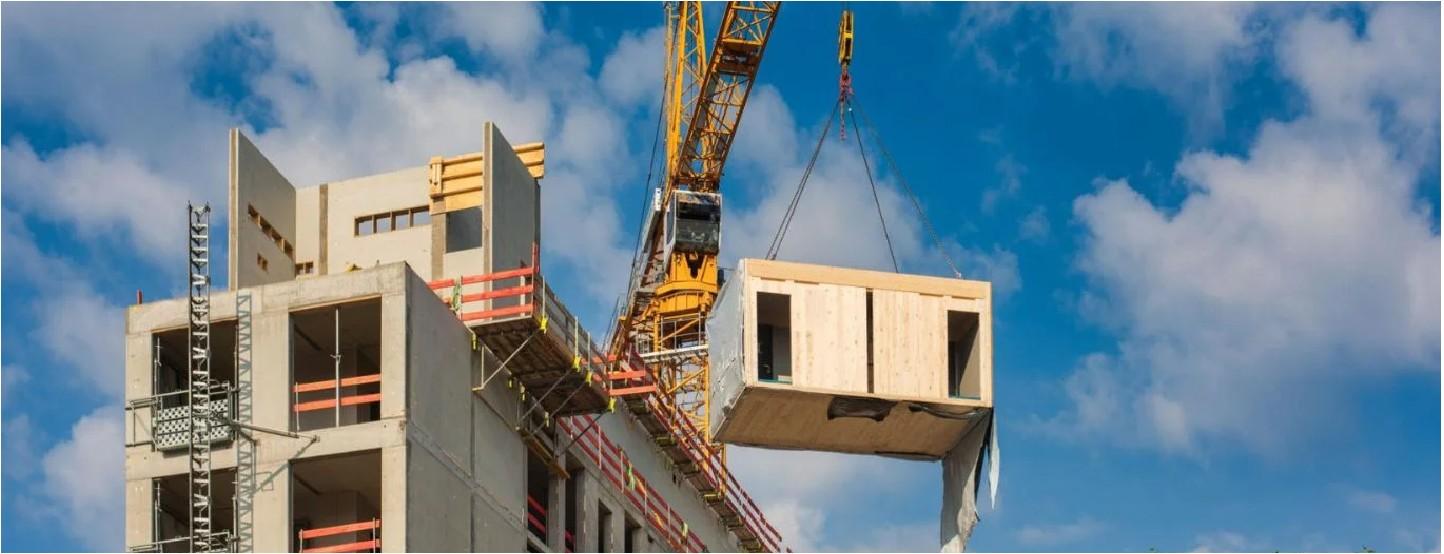
Modular construction is revolutionising how we design and build in 2025. By embracing off-site prefabrication, new technologies, and scalable workflows, this approach is overcoming traditional inefficiencies and setting new industry standards for speed, cost, sustainability, and quality.
_1757910770116.webp)
What Is Modular Construction?
Modular construction involves manufacturing building components—called modules—in a controlled factory environment. These modules are then transported and assembled on-site, streamlining the construction phase and ensuring greater consistency, speed, and safety.
Key Disruptions Brought by Modular Methods
1. Accelerated Timelines and Cost Savings
- Modular methods can reduce project timelines by up to 50% and lower overall costs by around 20%.
- Off-site fabrication enables simultaneous site work and module production, minimizing delays from weather and supply chain disruptions.
2. Quality Control and Waste Reduction
- Stringent factory oversight leads to precise, high-quality modules and consistent building standards.
- Controlled processes generate less material waste and allow for recycling and efficient resource use.
3. Sustainability at Scale
- Reduced on-site disruption (less noise, dust, and waste) and energy-efficient, eco-friendly materials appeal to both clients and regulators.
- Modular buildings commonly feature enhanced insulation and energy systems, supporting net-zero and green construction trends.
4. Greater Design Flexibility
- Advances in AI-driven modeling, BIM, and robotics now allow for custom designs, adaptive layouts, and sophisticated architectural solutions using modular components.
- Far from restricting creativity, modular construction can produce everything from personalized homes and adaptive workspaces to complex, tech-rich hospitals and even skyscrapers.
_1758190043029.png)
Technologies Powering Modular Construction
- BIM (Building Information Modeling): Enables advanced 3D digital planning, reducing errors and optimizing assembly logistics.
- Automation & Robotics: Streamline module fabrication for higher precision, lower labor costs, and accelerated delivery.
- AI & Data Analytics: Optimize designs, forecast material flows, and improve just-in-time production.
- IoT (Internet of Things): Provides real-time monitoring of production and assembly for improved project coordination.
High-Profile Applications and Market Growth
- Hospitals, hotels, schools, offices, and large residential complexes are now built using modular construction globally, with noted successes such as Marriott Hotels’ rapid expansions and record-setting modular skyscrapers.
- The market is expected to reach over $175 billion by 2025, driven by surging demand for affordable, sustainable buildings.
Challenges and the Road Ahead
- Skill Shifts: Workforce upskilling is needed to adapt to prefabrication and digital workflows.
- Regulation: Some areas still present zoning and code compliance hurdles.
- Innovation: Materials like 3D-printed modular components and integration with renewable systems will continue to drive disruption.
_1758190056357.png)
Conclusion
Modular construction is not just a trend—it’s fundamentally reshaping the design and build landscape. Expect faster delivery, reduced costs, more resilient supply chains, and buildings that push boundaries, as factories, robotics, and digital platforms become the new construction sites of 2025.




.png)