

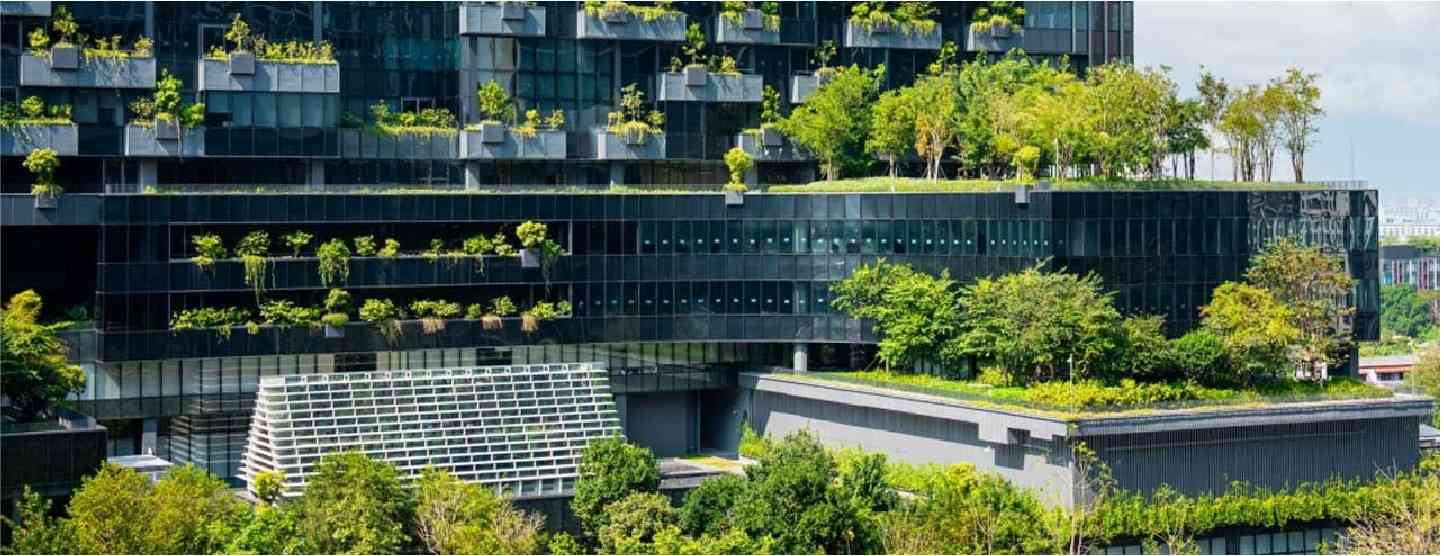
As climate change accelerates, the built environment has become one of the largest contributors to global carbon emissions. Buildings alone account for nearly 40% of energy-related emissions worldwide. The good news? The architectural world is responding with Net Zero Buildings—structures that generate as much energy as they consume.
For architects, engineers, and designers, mastering Net Zero strategies isn’t just about sustainability—it’s about shaping the future of our cities. In this blog, we’ll explore what Net Zero means, strategies to achieve it, and real-world case studies proving it’s possible.
What is a Net Zero Building?
A Net Zero Building (NZB) is designed to minimize energy consumption and offset its usage with renewable energy sources.
Key Principles:
- Energy Efficiency – Reduce demand through smart design.
- Renewable Energy Generation – Solar, wind, geothermal integration.
- Low-Carbon Materials – Sustainable sourcing and reduced embodied carbon.
- Waste & Water Management – Efficient use and recycling systems.
👉 Net Zero doesn’t mean zero energy use; it means balanced energy use.
_1757911871599.jpg)
Why Net Zero Matters in 2025 and Beyond
- Supports global climate targets (Paris Agreement).
- Rising demand for sustainable real estate & smart cities.
- Employers increasingly seek architects skilled in BIM + sustainability workflows.
- Net Zero design expertise = competitive edge in the job market.
Strategies to Achieve Net Zero Buildings
1. Passive Design Strategies
- Building orientation for daylight & ventilation.
- High-performance insulation and glazing.
- Shading devices to reduce cooling loads.
2. Energy Efficiency Technologies
- LED lighting, smart HVAC, energy recovery systems.
- Intelligent building management systems (BMS).
3. Renewable Energy Integration
- Solar PV panels on rooftops & façades.
- Geothermal heating/cooling.
- Wind turbines for micro-generation.
4. Water Efficiency
- Rainwater harvesting.
- Greywater recycling.
- Low-flow fixtures.
5. Sustainable Materials
- Low-carbon concrete alternatives.
- Timber & bamboo for renewable construction.
- Locally sourced materials to reduce transport emissions.
6. BIM-Enabled Design
- Use Revit + BIM workflows for energy simulation.
- Parametric design tools (Rhino + Grasshopper) to optimize façades.
- Lifecycle analysis using BIM-integrated tools.
Global Case Studies of Net Zero Buildings
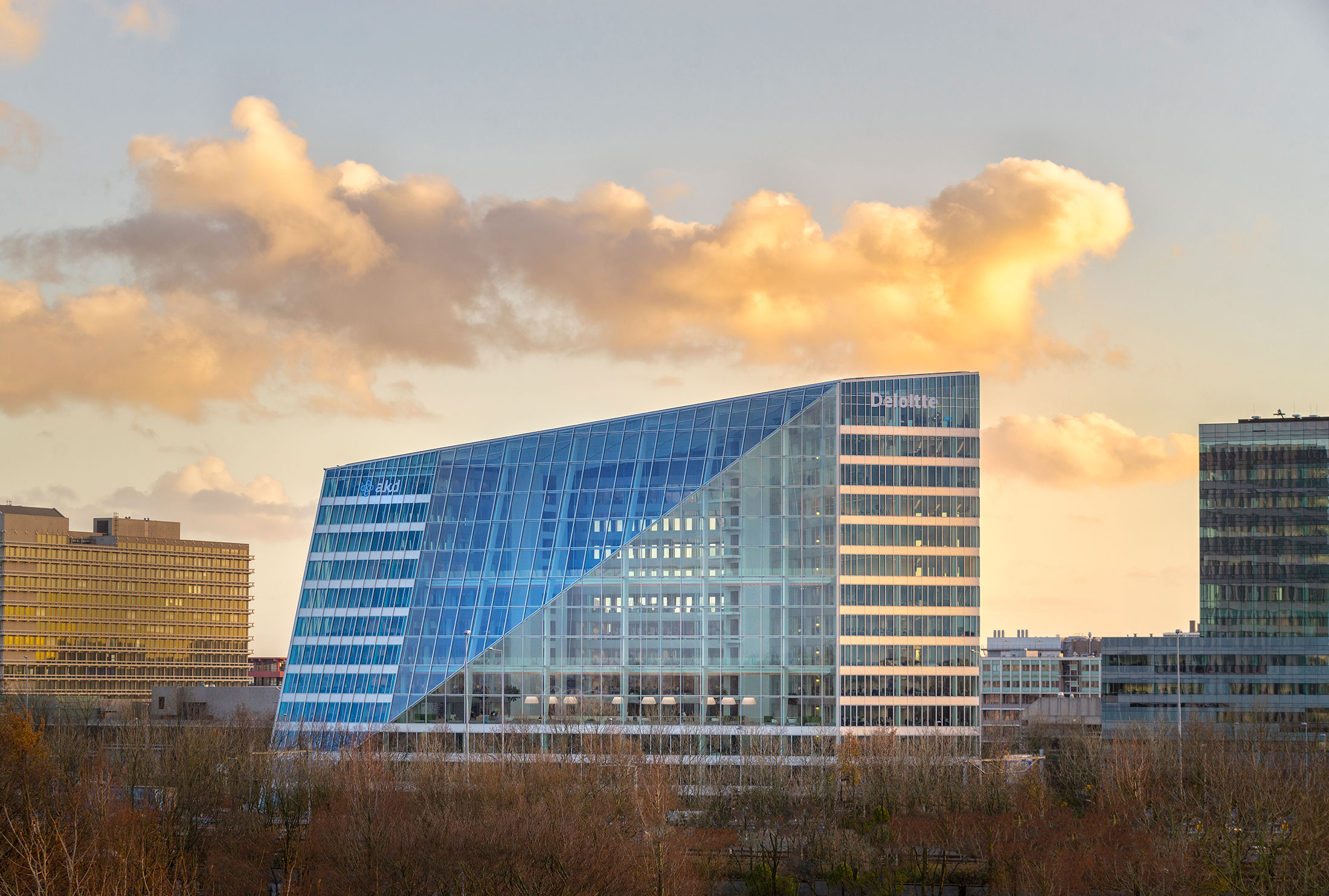
The Edge, Amsterdam
- Dubbed the “world’s greenest office.”
- Uses solar PV, aquifer thermal energy storage, and smart lighting.
- Achieves Net Zero energy balance while housing 2,500 employees.
🇺🇸 Bullitt Center, Seattle
- Known as the greenest commercial building in the world.
- Features solar power, composting toilets, and rainwater harvesting.
- Designed to last 250 years with minimal environmental impact.
🇮🇳 Infosys Campus, Mysuru
- India’s first corporate campus designed for Net Zero energy.
- Integrated passive design + renewable energy + water efficiency.
- Reduced energy consumption by 40% compared to conventional buildings.
🇦🇪 Masdar City, Abu Dhabi
- A pioneering Net Zero urban development.
- Combines solar energy, wind towers, and low-carbon transport systems.
Career Opportunities in Net Zero Design
With growing emphasis on sustainability, professionals with Net Zero expertise are in high demand:
- BIM Sustainability Specialist
- Green Building Consultant (LEED, GRIHA, BREEAM certified)
- Sustainable Architect
- Urban Planner focusing on Smart Cities
👉 Kaarwan’s certification courses in BIM, Revit, and Computational Design prepare learners for sustainability-driven roles in global firms.
Common Challenges in Achieving Net Zero
- High upfront costs.
- Lack of skilled professionals trained in sustainable BIM workflows.
- Regional policy & infrastructure gaps.
- Balancing design aesthetics with performance targets.
(Tip: Portfolios that include Net Zero projects stand out to recruiters.)
Conclusion
Net Zero Buildings are no longer futuristic—they’re becoming the global standard for sustainable architecture. By combining passive strategies, renewable energy, and BIM-enabled simulations, architects can lead the way in shaping greener cities.
For aspiring professionals, the path forward is clear: learn, certify, and showcase sustainability projects in your portfolio.
👉 Ready to design the buildings of tomorrow? Explore Kaarwan’s Certification Programs and start your journey toward becoming a sustainability-focused architect.



.png)