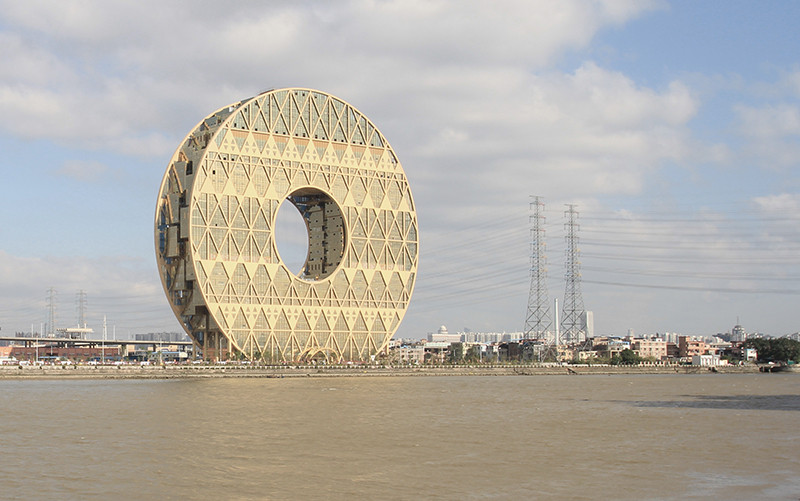
Shape Psychology in Architecture: The Circle
Why curved forms feel welcoming, timeless, and powerful
Shapes are not just geometry. In architecture, they quietly influence how people feel, move, and behave in a space. Among all shapes, the circle carries one of the strongest psychological impacts.
From ancient temples to modern museums, circular forms have been used to express unity, continuity, and harmony.
What the Circle Represents in Architecture
The circle has no beginning or end. Psychologically, it communicates:
- Wholeness and completeness
- Equality and inclusion
- Movement and flow
- Calm and protection
Unlike rigid orthogonal forms, circles soften space and reduce visual tension.
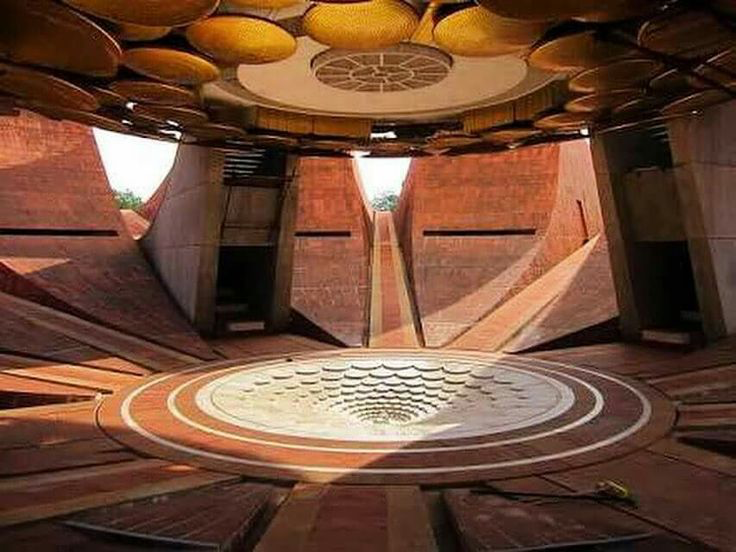
How Circles Affect Human Experience
Circular spaces influence behavior in subtle ways:
- People feel more connected and less hierarchical
- Movement becomes fluid rather than directional
- Spaces feel safer and more welcoming
- Conversations feel more intimate and balanced
This is why circles are often used in gathering spaces rather than functional corridors.
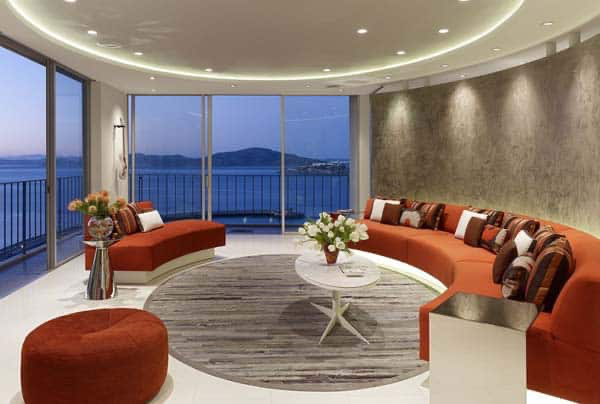
Where Architects Use Circular Forms
Circles appear across scales and typologies:
- Religious buildings: domes, sanctums, meditation halls
- Public spaces: auditoriums, plazas, amphitheaters
- Residential design: spiral staircases, courtyards
- Cultural architecture: museums and memorials
They often signal importance or centrality within a layout.
Famous Architectural Examples
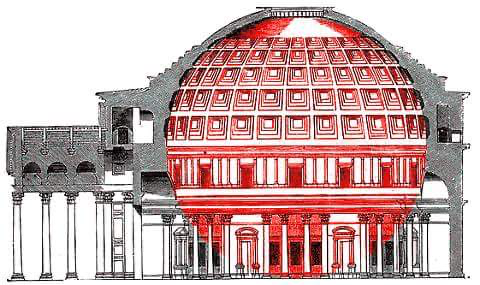
- Pantheon, Rome: The perfect circle and dome symbolize cosmic order.
- Colosseum, Rome: Circular form ensures equal viewing and crowd flow.
- Lotus Temple, Delhi: Radial symmetry creates spiritual calm and unity.
- Guggenheim Museum, New York: Continuous circular ramp encourages fluid movement.
Design Advantages of Circles
- Creates visual softness
- Enhances spatial continuity
- Encourages social interaction
- Works well for focal or landmark spaces
Design Challenges to Consider
Despite their beauty, circles are complex:
- Higher construction cost
- Difficult furniture placement
- Structural and detailing challenges
- Requires precise execution
This is why circles are often used strategically, not everywhere.
How to Use Circles Thoughtfully
Architects often introduce circular geometry through:
- Curved walls instead of full circular rooms
- Round skylights or oculi
- Circular courtyards within orthogonal plans
- Curved circulation paths
Subtle curves can deliver the psychological impact without construction complexity.
Why Shape Psychology Matters
Understanding shape psychology helps architects:
- Design emotionally intelligent spaces
- Improve user comfort and engagement
- Communicate meaning beyond function
The circle reminds us that architecture is not only built to stand—but to be felt.
Learn Spatial Psychology with Kaarwan
Kaarwan’s architecture courses explore form, space, material, and human behavior—helping designers create spaces that work emotionally and functionally.
👉 Explore Kaarwan’s design-thinking and architectural theory programsRead more blogs on shape psychology, spatial planning, and design principles