The ambition to reshape nature has driven humanity to create entire stretches of land where once there was only water. From glitzy islands to sprawling urban hubs, land reclamation is more than just an engineering marvel—it reflects our desire to expand, innovate, and conquer space. Yet, while these feats of architecture and urban planning are awe-inspiring, they also come with environmental costs that we must not overlook.
Let’s explore some of the most significant land reclamation projects worldwide and consider the balance between progress and preservation.
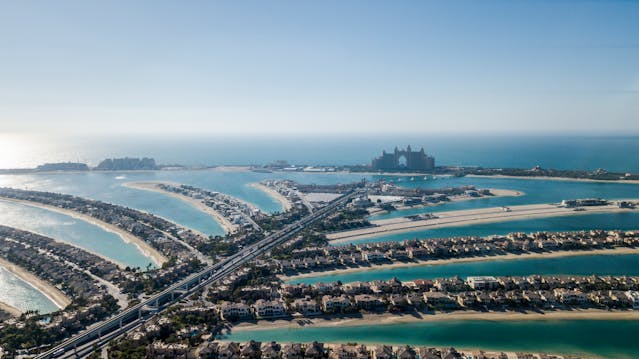
Dubai's Palm Jumeirah: An Oasis of Luxury
In Dubai, where innovation meets extravagance, Palm Jumeirah stands as a testament to architectural creativity. This palm-shaped island was created using dredged sand and rock, transforming the Persian Gulf into a luxury paradise. Here’s what makes Palm Jumeirah unique:
- World-renowned resorts: The island is home to some of the most luxurious resorts globally, including Atlantis, The Palm.
- Upscale residences: High-end villas and apartments cater to the wealthy elite.
- Environmental concerns: The construction disrupted marine ecosystems, particularly coral reefs, raising long-term ecological issues.
While Palm Jumeirah enhances Dubai's reputation as a global destination, it also highlights the ongoing tension between human ambition and environmental stewardship.
Eko Atlantic City: A New African Frontier
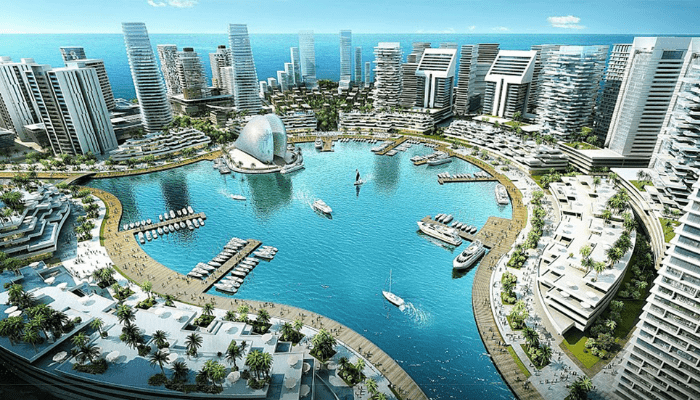
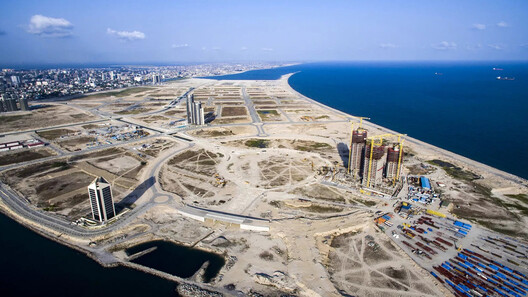
On Africa’s western coast, Eko Atlantic City is rising from the Atlantic Ocean as a bold solution to Lagos' challenges. This visionary project aims to protect Nigeria’s financial hub from erosion and rising sea levels. Key features of Eko Atlantic City include:
- Sustainable urban planning: The city is designed to be a hub for commerce, sustainability, and urban living.
- Protection from erosion: The project serves as a barrier against coastal erosion, safeguarding Lagos.
- Challenges: Displacement of local communities and the reshaping of natural landscapes raise questions about social and environmental impacts.
Eko Atlantic City embodies the potential of large-scale reclamation projects but also underscores the need to balance development with the needs of people and nature.
Singapore's Marina Bay: The City of Tomorrow
Singapore has long embraced land reclamation to maximize its compact territory, with Marina Bay being a prime example. What was once an ocean is now a vibrant hub of iconic architecture. Marina Bay’s highlights include:
- Architectural marvels: The area is home to Marina Bay Sands, Gardens by the Bay, and other landmarks.
- Urban transformation: Singapore’s use of reclaimed land has elevated it to a global metropolis.
- Environmental trade-offs: The reclamation process has led to the loss of natural marine habitats and altered tidal patterns.
Singapore's approach showcases how strategic urban planning can transform a city, but it also emphasizes the need to address environmental consequences.
_1725312536736.jpg)
Flamengo Park: Brazil’s Urban Green Haven
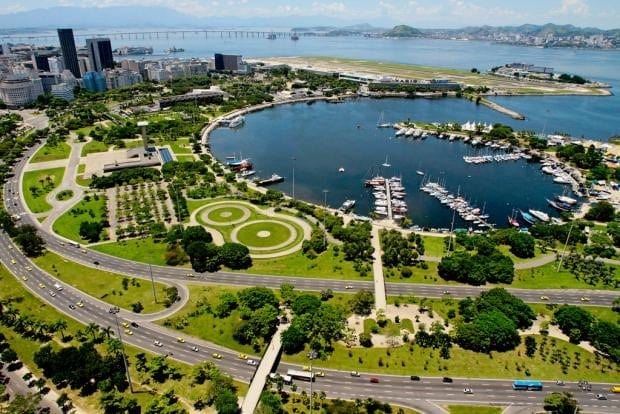
In Rio de Janeiro, Flamengo Park offers lush green spaces built on reclaimed land from Guanabara Bay, providing a refreshing contrast to the bustling city life. The park has become a vital recreational area for residents, blending nature with urban infrastructure. Key aspects of Flamengo Park include:
- Green spaces: The park offers extensive lawns, gardens, and walking paths.
- Cultural significance: It hosts various cultural events and activities.
- Ecological effects: The transformation of coastlines may have disrupted local marine and coastal ecosystems.
Flamengo Park illustrates how reclaimed land can be repurposed for public benefit, but it also raises questions about the long-term sustainability of such projects.
The Price of Progress: Striking a Balance
As cities grow and land becomes scarce, the push for reclamation seems inevitable. However, the environmental toll of these projects cannot be ignored. Common side effects include:
- Dredging seabeds: This process disrupts marine ecosystems and affects biodiversity.
- Altering coastlines: Changing natural coastlines can lead to erosion and habitat loss.
- Disrupting ecosystems: The construction of artificial islands and reclaimed land can have lasting ecological impacts.
One emerging solution is "aquatic urbanism," an approach that embraces water as part of urban planning rather than something to be controlled. This concept offers hope for a future where innovation and nature coexist harmoniously.
Rethinking Land Reclamation for the Future
Land reclamation projects are undoubtedly impressive and stand as monuments to human innovation. However, as we push the boundaries of what can be achieved, the responsibility to protect the natural world grows ever greater. Moving forward, it’s essential to rethink our approach to urban development. Consider these steps:
- Sustainability-focused designs: Prioritize green technologies and practices in reclamation projects.
- Environmental impact assessments: Conduct thorough studies before initiating any large-scale projects.
- Community engagement: Involve local communities in the planning process to address social concerns.
By adopting these strategies, we can aim for a future where cities and ecosystems thrive side by side. Land reclamation, when done thoughtfully, can indeed be a force for good, but it requires a delicate balance between human ambition and environmental stewardship—a balance that will determine the health of our planet and the quality of life for future generations.
Conclusion
As we marvel at the engineering feats of land reclamation, it's crucial to recognize the environmental and social costs involved. While these projects symbolize human innovation, they also challenge us to find a balance between growth and sustainability. Moving forward, integrating eco-conscious planning and involving local communities can help mitigate negative impacts. By rethinking our approach to urban development, we can create spaces where both cities and nature can flourish, ensuring that progress does not come at the expense of our planet’s well-being.
The future of architecture is bright, but are your skills keeping pace? Kaarwan's architecture-specific courses provide you with the knowledge and tools to confidently navigate the AEC industry. Gain valuable insights, master in-demand software, and stand out with designs that impress!
FAQs
Q1: What are the environmental concerns associated with Dubai's Palm Jumeirah?
A1: The construction of Palm Jumeirah disrupted marine ecosystems, particularly coral reefs, leading to long-term ecological issues that affect biodiversity in the Persian Gulf.
Q2: How does Eko Atlantic City address coastal erosion in Lagos?
A2: Eko Atlantic City serves as a protective barrier against coastal erosion, safeguarding Lagos from the impacts of rising sea levels and preserving its financial hub.
Q3: What are the main features of Singapore's Marina Bay reclamation project?
A3: Marina Bay is a reclaimed area that features iconic architecture, such as Marina Bay Sands and Gardens by the Bay, but it has also led to the loss of natural marine habitats and altered tidal patterns.
Q4: How has Flamengo Park in Rio de Janeiro utilized reclaimed land?
A4: Flamengo Park uses reclaimed land from Guanabara Bay to create green spaces and recreational areas for residents, blending nature with urban infrastructure.
Q5: What is "aquatic urbanism," and how does it differ from traditional land reclamation?
A5: "Aquatic urbanism" integrates water into urban planning rather than controlling it, offering a more sustainable approach that allows for coexistence between urban development and natural ecosystems.