


For decades, architectural visualisation has been about rendering the final image—that one perfect frame that captures the mood of your design.
But what if clients could walk through your design before it’s built? Not just see, but feel the materials, lighting, and scale. Not from your laptop—but in real-time?
That’s exactly what Unreal Engine is making possible.
.png)
Image Source: Tom's Guide
From Static Renders to Real-Time Worlds
Most architects are trained to think in 2D: plans, sections, elevations. Visualisers take that and turn it into a polished 3D render.
But the process is slow. Iterations are expensive. And clients often can’t visualise the space until it’s too late.
Enter Unreal Engine—a game engine built for interactive environments. Originally made for high-end gaming, it’s now used by architecture firms, filmmakers, and virtual production houses to build worlds you can enter.
In short? It’s not just a rendering tool. It’s an experience engine.
.png)
Image Source: Catness Game Studio
What Makes Unreal So Powerful?
✅ Real-time rendering – Change materials, lighting, or furniture and see it instantly.
✅ Photorealism – With features like Lumen and Nanite, Unreal can produce visuals that compete with offline renderers.
✅ Interactivity – Clients can walk, fly, or teleport through your space. Even open doors or change finishes live.
✅ VR-ready – Want to experience your project in full scale? Unreal pairs beautifully with VR headsets.
✅ Data-rich storytelling – Designers can script walkthroughs, simulate lighting at different times of day, or even show how a space performs.
.png)
Image Source: Indiatimes
Why This Matters for Architects and Students
The industry is shifting. Clients expect immersive presentations. Stakeholders want clarity early on. And global teams need collaborative, real-time tools.
Visualisation is no longer just about beauty—it’s about communication and confidence.
With Unreal Engine, you’re not just showing a design. You’re inviting people into it.
This is especially game-changing for:
- Architects working on large-scale or public-facing projects
- Urban designers showcasing spatial experiences
- Students creating immersive portfolios
- Visualisation artists building a niche in the AEC world
.png)
Image Source: KitBash3D
“But Isn’t Unreal Too Technical?”
Fair question. And yes, the learning curve can feel steep. But tools like Twinmotion (by Epic Games, built on Unreal) offer a gentler start, especially for architects. You can drag and drop assets, import from Revit or SketchUp, and produce cinematic walkthroughs without touching a line of code.
The trick? Start small.
Learn what’s possible. Then build up.
.png)
Image Source: Reditt
So… Is Unreal the Future?
Not the only future—but definitely a major part of it.
Unreal Engine won’t replace classic renders or conceptual collages. But it will augment them. And soon, being able to offer interactive experiences might become as standard as knowing how to use Photoshop today.
And if you're planning to stand out in a competitive industry, showing that you can design in real-time, tell visual stories, and immerse clients in your vision?
That’s not just the future. That’s powerful now.
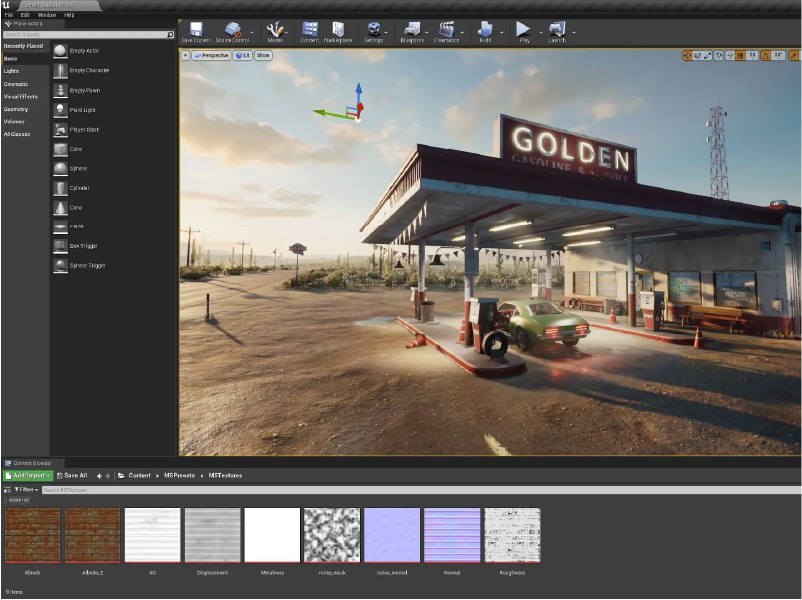
Image Source: Academy of Animated Art
Curious About Where to Begin?
Whether you’re heading toward real-time tools like Unreal or sticking to powerful visualisation software like Lumion, V-Ray, or Photoshop, what truly matters is your ability to communicate design with clarity and emotion.
If you’re new to visualisation or just figuring out where to begin, start with the tools that build strong fundamentals:
- Advanced SketchUp Modelling with Lumion Visualisation (4 Weeks)
- Visualisation & Rendering Course (4 Weeks)
- V-Ray Rendering for Interior & Architecture Students (2-Day Masterclass)
- Architectural Sheet Presentation Masterclass (1-Day Photoshop Layout Masterclass)
- Advanced Interior Design Certification Course (20 hours self-paced; combines all sets of construction drawings, BOQs, Client Proposal Documents, building projects on SketchUp Modelling, Lumion and 3Ds Max )
You don’t need to jump into game engines from day one.
Build your eye.
Build your storytelling.
And when you're ready—new tools will simply extend your vision further. Because the future of visualisation isn’t just about software. It’s about imagination, clarity, and connection.




.png)