In the world of UI/UX design, having the right tools can make all the difference. Figma, a web-based design and prototyping tool, has taken the design community by storm with its intuitive interface, powerful features, and unmatched collaboration capabilities. Whether you're a seasoned designer or someone just starting their journey, this guide will walk you through everything you need to know to get started with Figma.
Why Choose Figma?
Figma isn’t just another design tool—it’s a game-changer for many reasons:
- Cloud-Based: Figma is entirely online, eliminating the need for cumbersome downloads or updates.
- Collaboration-Friendly: Multiple users can work on the same file in real-time.
- Cross-Platform: Works seamlessly on Windows, macOS, Linux, and even in your browser.
- Free Plan for Beginners: Perfect for those just starting, offering all the essential features without costing a dime.
- Versatile Features: From wireframes to high-fidelity prototypes, Figma handles it all.
Getting Started with Figma
Let’s dive into how beginners can make the most of Figma.
1. Setting Up Your Account
- Visit Figma’s website and sign up for free.
- Choose between individual or team plans based on your needs.
- Access your projects directly through the browser or download the desktop app for added convenience.
2. Understanding the Interface
Figma’s interface is user-friendly but packed with features:
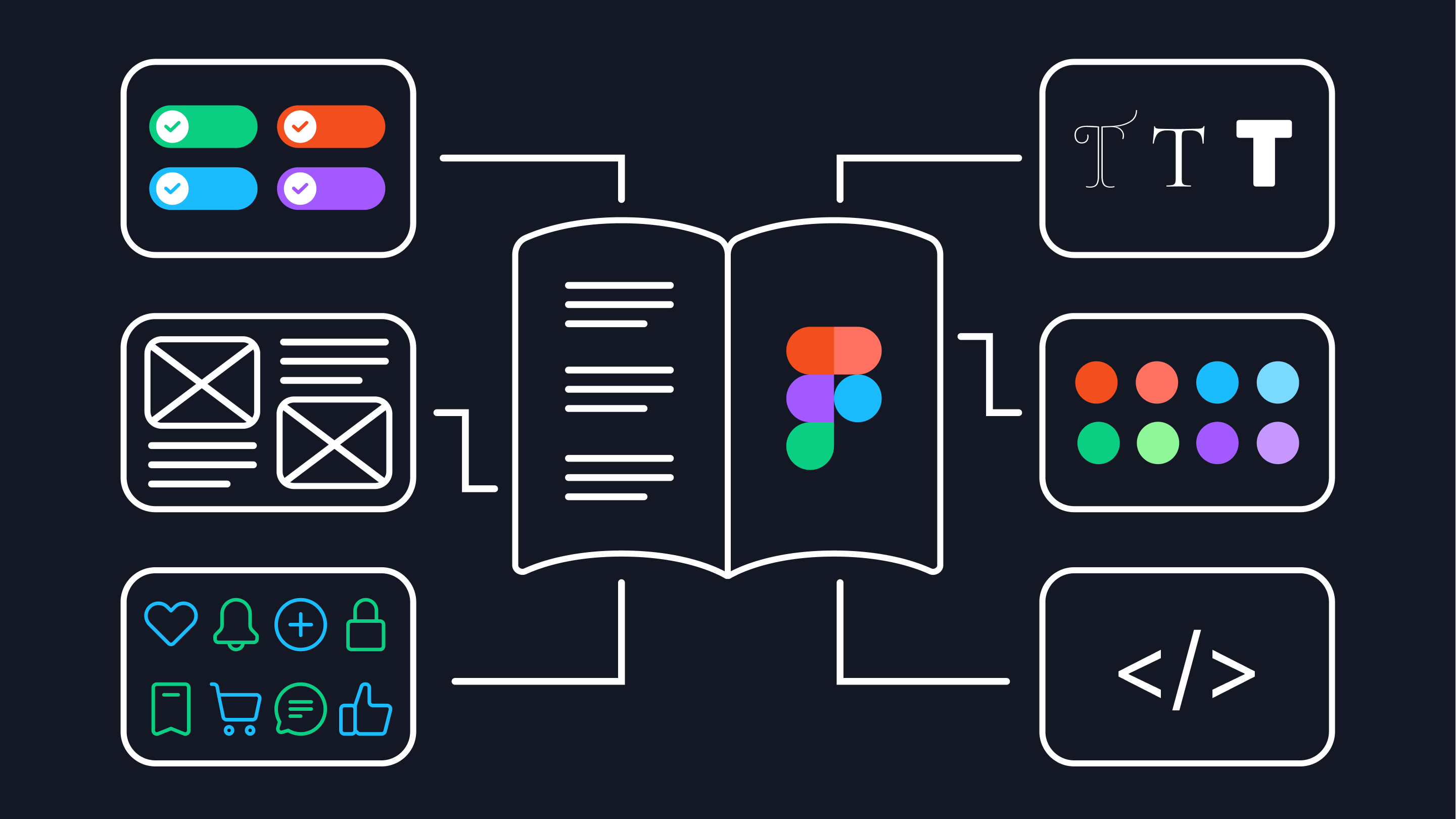
- Toolbar: Contains tools for selection, drawing, and text editing.
- Layers Panel: Helps organize your design elements into layers and groups.
- Canvas: The workspace where your design comes to life.
- Inspector Panel: Adjust properties like color, size, and alignment here.
Essential Features Every Beginner Should Know
1. Frames and Layouts
Frames in Figma are akin to artboards in Adobe XD or Sketch. They act as containers for your designs.
- Create frames for different device sizes (mobile, desktop, tablet).
- Use the layout grid feature to maintain alignment and consistency.
2. Components and Reusability
Figma allows you to turn design elements into reusable components.
- Create a button once and reuse it across your project.
- Update the component, and changes will reflect everywhere.
3. Plugins and Widgets
Enhance your workflow with plugins like:
- Unsplash: Quickly add free stock images.
- Iconify: Access thousands of icons.
- Content Reel: Generate dummy text, avatars, and more.
4. Prototyping and Interaction Design
- Use Figma’s prototyping features to add interactivity to your designs.
- Connect frames to simulate user flows and test usability.
- Share prototypes with stakeholders for instant feedback.
5. Collaboration Tools
Figma shines when it comes to teamwork:
- Share links with view-only or edit access.
- Use comments to provide feedback directly on the design.
- Track changes with version history.
Tips for Figma Beginners
- Start Small: Begin with a simple project, like creating a mobile app UI.
- Use Templates: Explore Figma’s free templates for inspiration and structure.
- Learn Shortcuts: Save time by mastering Figma’s keyboard shortcuts.
- Leverage the Community: Access Figma’s community hub for plugins, files, and tutorials.
- Practice Collaboration: Invite a friend or colleague to co-design with you.
Challenges Beginners Might Face
Starting with any new tool can feel overwhelming. Here are common challenges and how to overcome them:
- Understanding Layers: Use naming conventions and grouping to stay organized.
- Overusing Features: Focus on mastering the basics before diving into advanced functionalities.
- Navigating Plugins: Stick to essential plugins initially to avoid confusion.
- Design Blocks: Join design challenges or recreate existing UIs to build confidence.
Figma vs. Competitors
Figma takes the lead over its competitors like Sketch and Adobe XD for several reasons:
- Collaboration: Figma allows real-time collaboration, enabling multiple users to edit designs simultaneously. In comparison, Sketch and Adobe XD offer limited collaboration features.
- Cross-Platform Compatibility: While Sketch is restricted to macOS, Figma works seamlessly across Windows, macOS, Linux, and even in browsers, making it accessible to a broader audience.
- Pricing: Figma’s free plan is ideal for beginners, offering a robust set of features at no cost. On the other hand, Sketch requires a paid subscription, and Adobe XD offers only basic features in its free plan.
- Plugins: Figma boasts an extensive plugin library, rivaling Sketch, while Adobe XD provides a more moderate selection.
- Accessibility: Being cloud-based, Figma eliminates the need for software downloads or constant updates, which is a huge advantage over desktop-dependent tools like Sketch.
These advantages position Figma as a versatile and user-friendly option for designers at all skill levels.
Conclusion
Figma is more than just a design tool—it’s a platform that empowers designers to bring their ideas to life collaboratively and efficiently. By mastering its features, from frames to prototyping, beginners can quickly scale their skills and create stunning designs. With its intuitive interface, robust community, and endless possibilities, Figma is undoubtedly the go-to tool for anyone stepping into the world of UI/UX design.
Master the art of crafting intuitive interfaces and unforgettable user experiences with our Advanced UI/UX Design Course. Gain hands-on skills, elevate your career, and create designs that leave a lasting impact.
Enroll now at Kaarwan and take your expertise to the next level!
FAQs
1. Is Figma free to use?
Yes, Figma offers a free plan that’s perfect for beginners, with enough features to cover most basic design needs.
2. Can Figma be used offline?
While Figma is primarily web-based, you can use the desktop app to access designs offline. However, some features require an internet connection.
3. What makes Figma ideal for beginners?
Figma’s intuitive interface, free plan, and collaborative tools make it beginner-friendly while still powerful enough for professionals.
4. How does Figma handle collaboration?
Figma allows multiple users to edit a file in real-time, making it ideal for team projects and feedback loops.
5. Are there templates available in Figma?
Yes, Figma offers a variety of free templates to help beginners get started with their projects.