Adaptive reuse has emerged as a powerful approach in urban planning and architecture, offering a sustainable and practical solution for repurposing existing structures to meet evolving societal needs. By transforming unused or outdated buildings into functional spaces, adaptive reuse preserves cultural heritage, reduces waste, and revitalizes communities, aligning with modern values of sustainability and resource conservation.
Adaptive reuse refers to the process of repurposing old structures for new uses, addressing the growing demand for sustainable development. Rather than demolishing and rebuilding, architects and urban planners leverage the existing structure, contributing to resource conservation and urban renewal.
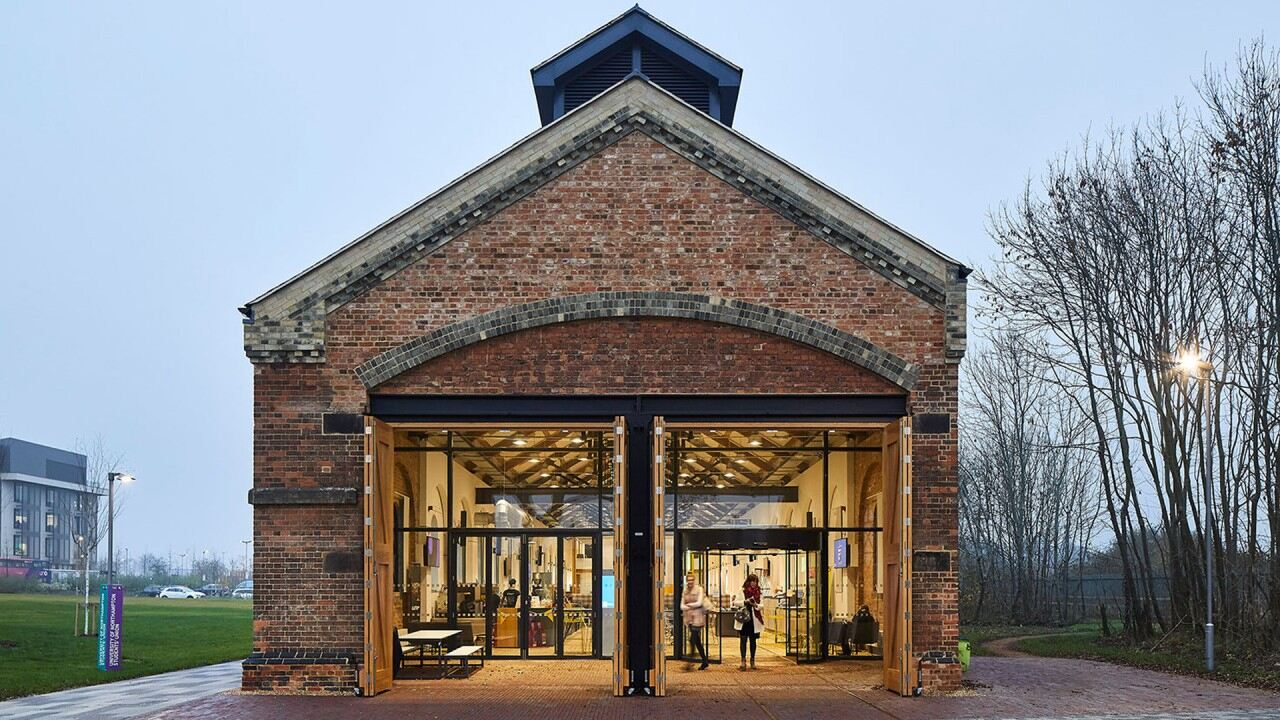
Adaptive reuse unlocking potential existing Via LinkedIn.com
The Role of Adaptive Reuse in Architecture
In architecture, adaptive reuse involves updating an existing building’s structure while respecting its original design. This process often requires creativity, as architects find ways to meet contemporary needs without stripping the building of its character.
Key Principles of Adaptive Reuse
The principles of adaptive reuse emphasize sustainability and preservation. By repurposing buildings, adaptive reuse reduces the demand for raw materials, cuts down on construction waste, and preserves historical aspects of architecture, bridging the past and present.
Sustainability as a Core Principle
Adaptive reuse is a sustainable practice that minimizes resource consumption. By reusing buildings, developers avoid the environmental costs associated with demolition and new construction, making it a preferred choice in green architecture.
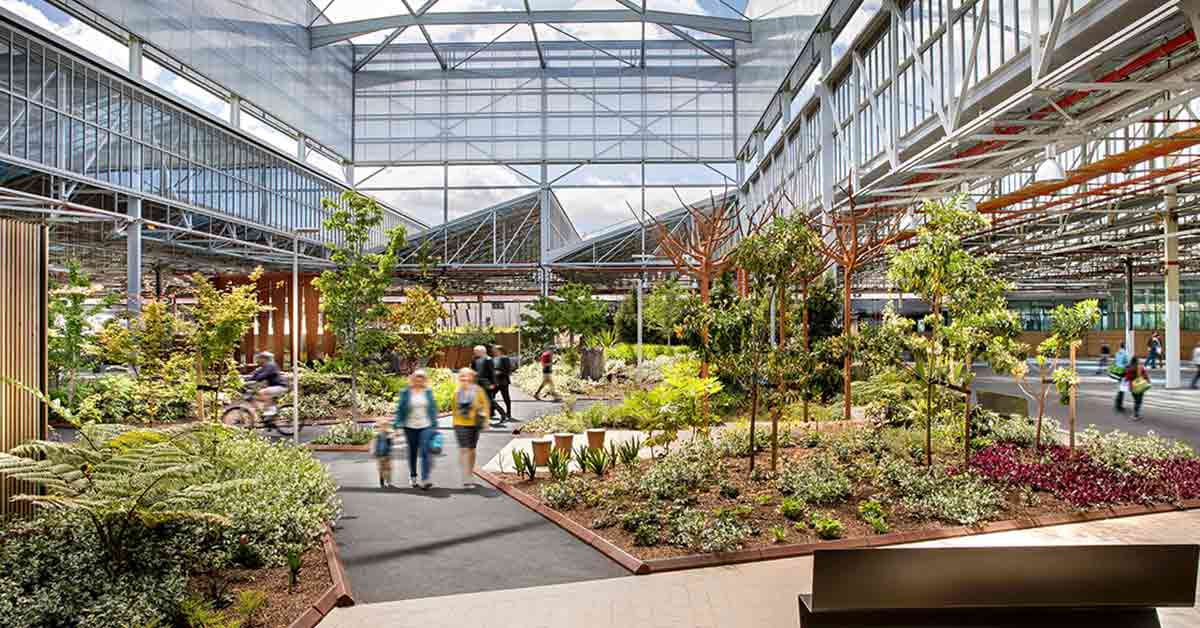
Major benefits of adaptive reuse in real estate Via jll.co.uk/
Adaptive Reuse of Heritage Buildings
Repurposing heritage buildings presents unique challenges and opportunities. These structures are often rich in history and cultural significance, requiring careful consideration of architectural elements. Successfully reusing heritage buildings respects historical features while meeting modern functional needs.
Challenges in Adaptive Reuse of Heritage Buildings
One of the primary challenges in reusing heritage buildings lies in balancing preservation with modernization. Structural limitations, historical preservation regulations, and the need for modern amenities all contribute to the complexity of these projects.
Case Studies in Adaptive Reuse of Heritage Buildings
Notable examples of heritage building reuse include The Tate Modern in London and the High Line in New York City. Both projects showcase how thoughtful adaptation can breathe new life into historic structures, transforming them into functional public spaces.
The Economic Impact of Adaptive Reuse
Adaptive reuse offers significant economic benefits, often proving to be more cost-effective than new construction. By revitalizing older buildings, adaptive reuse stimulates local economies, supports job creation, and can increase property values in surrounding areas.
Creating Mixed-Use Developments
Adaptive reuse projects frequently result in mixed-use developments that combine residential, commercial, and public spaces. These developments promote walkable, vibrant communities, offering a solution for the increased demand for multi-functional urban spaces.
Adaptive Reuse and Community Revitalization
Adaptive reuse can enhance community identity, preserving local culture while introducing new spaces for public use. By focusing on community needs, adaptive reuse helps create welcoming spaces that foster community interaction and social cohesion.
Addressing Modern Urban Needs through Adaptive Reuse
With the evolving demands of urban living, adaptive reuse offers solutions for housing shortages, modern workspaces, and recreational facilities. The flexibility of adaptive reuse allows cities to adapt to changing demographics and societal needs.
The Future of Adaptive Reuse in Urban Planning
Adaptive reuse is poised to play an even more prominent role in urban planning. Trends indicate that sustainable urban growth will continue to rely on creative reuse strategies, particularly as cities look for eco-friendly solutions to address urban expansion and environmental concerns.
Tools and Technologies in Adaptive Reuse
Tools like Building Information Modeling (BIM) support adaptive reuse projects by allowing architects to plan modifications with precision. Eco-friendly materials, like reclaimed wood and sustainable insulation, further enhance the sustainability of adaptive reuse projects.
Key Challenges and Solutions in Adaptive Reuse
While adaptive reuse is beneficial, it comes with challenges like outdated building codes and structural limitations. Solutions include retrofitting buildings to meet modern standards while maintaining structural integrity and aesthetic appeal.
Conclusion
Adaptive reuse is an invaluable strategy in modern urban planning, addressing the changing needs of society while preserving cultural and architectural heritage. By embracing adaptive reuse, cities can create sustainable, functional, and vibrant communities that honor both history and future needs.
The future of architecture is bright, but are your skills keeping pace? Kaarwan's architecture-specific courses provide you with the knowledge and tools to confidently navigate the AEC industry. Gain valuable insights, master in-demand software, and stand out with designs that impress!
FAQs
1. What is adaptive reuse in architecture?
Adaptive reuse is the process of repurposing existing buildings for new uses, allowing architects to update spaces to meet modern demands while preserving their original structure.
2. How does adaptive reuse differ from renovation?
Renovation focuses on restoring a building’s original state, while adaptive reuse involves modifying a structure for an entirely new purpose, often adding new functionalities.
3. Why is adaptive reuse important for heritage buildings?
Adaptive reuse of heritage buildings preserves cultural history and architectural character, allowing these structures to serve contemporary needs without losing their historical significance.
4. What are the benefits of adaptive reuse in urban planning?
Adaptive reuse contributes to sustainability, reduces construction waste, supports local economies, and revitalizes neighborhoods, making it an ideal approach for modern urban planning.
5. What are some challenges in adaptive reuse of heritage buildings?
Challenges include regulatory restrictions, structural limitations, and balancing the need for modern amenities with preservation efforts.
6. Can adaptive reuse contribute to sustainable urban growth?
Yes, adaptive reuse promotes sustainable growth by reducing the need for new construction, conserving resources, and encouraging the use of eco-friendly materials and technologies.