Flexibility and precision are essential qualities for creating various forms in parametric architectural design. Architects and designers are continuously searching for tools that offer control over geometry while facilitating creativity. This is where advanced plugins like Skeleton Fattener and Lunchbox come into play, particularly within Grasshopper software.
These plugins offer an unprecedented range of capabilities for handling complex geometries. This article will help you learn about the transformative power of these tools and how they impact modern architectural design.
What Are Skeleton Fattener and Lunchbox Plugins?
Before diving into their applications, it's essential to understand what these plugins do.
Skeleton Fattener Plugin
The Fattener plugin in Grasshopper software offers a unique approach to generating solid geometries from line-based skeletons. It’s especially useful for architects working with complex, organic forms. Rather than manually defining every surface, the tool automatically creates smooth, voluminous surfaces based on underlying skeletal curves.
This saves time and allows for intricate designs that would be difficult to model manually. Whether you're designing facades or structural frameworks, this plugin transforms wireframes into tangible surfaces.
Lunchbox Plugin
On the other hand, the Lunchbox plugin for Grasshopper is known for its powerful geometry manipulation capabilities. It allows users to work with parametric grids, pattern generation, and various forms of data visualization. This plugin is widely used in Rhino architecture due to its ease of use and compatibility with Rhino software.
Designers can automate repetitive tasks, like paneling complex surfaces, making the workflow more efficient. The range of options in Lunchbox allows for flexibility in manipulating geometric forms, thus expanding the possibilities in architectural design.
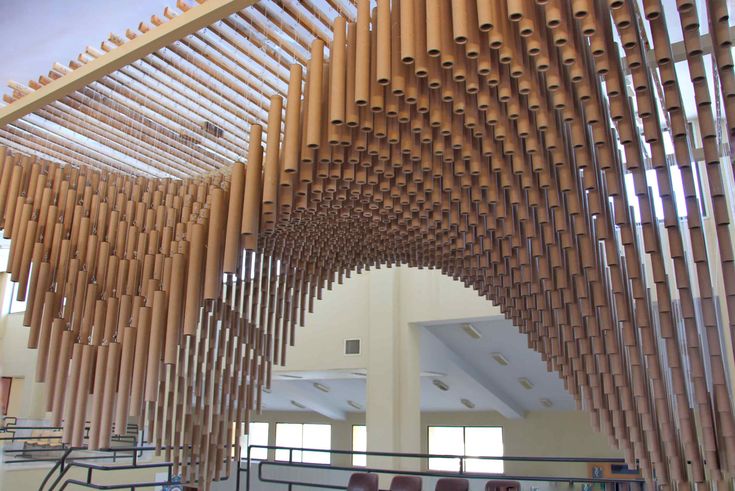
Pavilion Number 2 designed by MSA team at the University of Mazandaran_©parametric-architecture.com
Why Use Plugins Like Skeleton Fattener and Lunchbox?
The integration of these plugins into your design workflow allows for faster, more accurate results. Their application has numerous advantages, especially in parametric design architecture, which relies on the manipulation of geometries and forms. But why are these tools gaining such prominence in architectural design?
Simplifying Complex Geometries
- Skeleton Fattener: It creates solid geometry from line-based forms, making it easier to design fluid, organic shapes.
- Lunchbox: It offers patterns, grids, and paneling options, which help in creating intricate, repetitive designs in a fraction of the time.
Enhancing Design Flexibility
Architectural design is rarely linear, and changes often need to be made mid-process. By incorporating plugins like Lunchbox, designers gain the ability to make on-the-fly adjustments. Real-time changes in grids, patterns, and surface divisions are possible without starting from scratch. Rhino architecture is particularly well-suited for this approach, allowing for seamless updates across various design stages.
Moreover, parametric design architecture depends heavily on control over individual components of a model. With these plugins, every element of your design can be adjusted through parametric controls, making the workflow dynamic and highly customizable.
Real-World Applications of Skeleton Fattener and Lunchbox
These plugins aren’t just theoretical—they have been applied to several high-profile projects globally. In modern architectural practices, designers are increasingly looking to tools like Skeleton Fattener and Lunchbox to redefine their design process. Here are a few real-world examples where these plugins have proven invaluable:
1. Parametric Facades
Creating fluid, responsive facades is one of the most common uses for these plugins. In contemporary architecture, buildings with complex facades are on the rise. Using Skeleton Fattener, designers can generate the skeleton for such facades and convert it into smooth, voluminous surfaces.
2. Structural Frameworks
In large-scale architectural projects, structural frameworks require precise and flexible designs. Skeleton Fattener makes this easier by offering an automated way to generate volumetric geometry from a basic wireframe. Architects working on structural elements, like beams or frameworks, can use this plugin to ensure their designs are not only aesthetically pleasing but also structurally sound.
Lunchbox helps with creating modular grid systems for these structures, simplifying the process of dividing and managing space in the design.
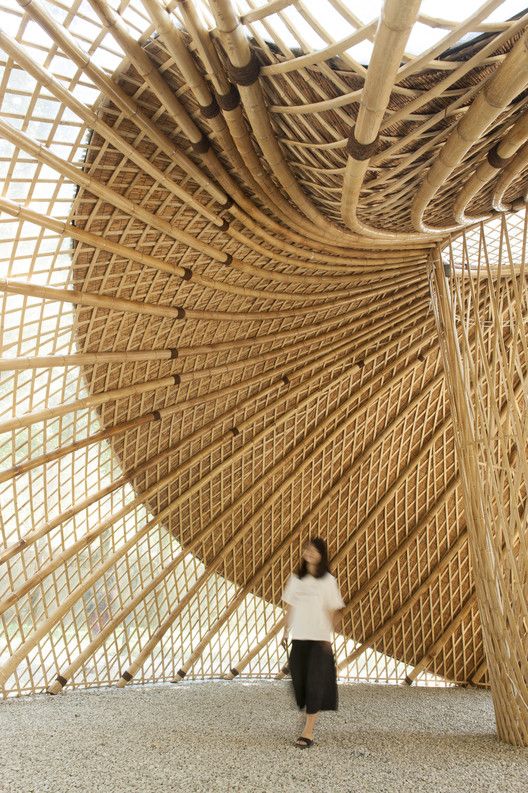
Swirling Cloud: Bulletin Pavilion for BJFU Garden Festival / SUP Atelier_©archdaily.com
Mastering the Plugins Through Rhino Courses
If you’re looking to master these tools, enrolling in a Rhino course that covers Grasshopper software and its plugins is essential. These courses provide hands-on experience with real-world projects, helping you to learn the nuances of advanced geometry manipulation.
A typical Rhino architecture course includes a detailed exploration of both Lunchbox and Skeleton Fattener, showing how to integrate them into your daily design workflow. Additionally, these courses teach designers to troubleshoot common issues and optimize their models for fabrication.
Conclusion
Plugins like Lunchbox for Grasshopper and Skeleton Fattener are revolutionizing how architects approach complex geometries. They make it easier to create, manipulate, and adapt designs while maintaining precision and flexibility. By integrating these tools into their workflow, architects can save time, ensure accuracy, and explore new design possibilities.
For those looking to dive deeper into parametric design architecture, mastering these plugins through a Rhino course will prove invaluable. As architecture continues to evolve, these tools will remain at the forefront, empowering architects to turn their most ambitious ideas into reality.
Design with precision and creativity. Discover the limitless possibilities of parametric design. Our Advance Rhino & Grasshopper Certification Course equips you with the skills and knowledge you need to create exceptional architectural projects. Enroll now!
Visit the Kaarwan website for more insights!
FAQs
Q1: What is the Skeleton Fattener plugin in Grasshopper software?
A1: Skeleton Fattener is a plugin in Grasshopper that generates solid, smooth surfaces from line-based skeletons, allowing architects to design complex, organic forms more efficiently.
Q2: How does the Lunchbox plugin benefit architectural design?
A2: The Lunchbox plugin simplifies geometry manipulation, enabling designers to create parametric grids, patterns, and automate repetitive tasks, making the design process faster and more flexible.
Q3: Why are plugins like Skeleton Fattener and Lunchbox essential in parametric design architecture?
A3: These plugins simplify complex geometries, enhance design flexibility, and allow for real-time adjustments, making them crucial for architects working with dynamic and customizable parametric designs.
Q4: Can you give an example of a real-world application for the Skeleton Fattener plugin?
A4: Skeleton Fattener is often used to create fluid, responsive facades, transforming line-based forms into smooth, voluminous surfaces in contemporary architectural projects.
Q5: How can someone learn to use these plugins effectively?
A5: Enrolling in a Rhino architecture course that covers Grasshopper software and its plugins, like Lunchbox and Skeleton Fattener, is an effective way to gain hands-on experience and master advanced geometry manipulation.