“Architecture is about trying to make the world a little more like our dreams.” – Bjarke Ingels
Architecture transcends the act of building. It is a medium through which humanity can address social issues, drive environmental sustainability, and redefine the values of the built environment. In the face of challenges like the housing crisis, environmental degradation, and social inequality, architectural activism stands as a powerful tool. It embodies the idea that design and architecture can address societal issues and foster social progress. This blog explores how activist architects are leading the charge, using innovation, contextual designs, and community engagement to shape a better future.
The Function of Architecture in Social Change
Architectural activism bridges the gap between aesthetic aspirations and social needs, offering practical solutions to deeply rooted challenges. It provides the means to empower marginalized communities, foster inclusivity, and create spaces for cultural and social engagement.
Take the Quinta Monroy Housing project in Chile, a prime example of how thoughtful design can alleviate a housing crisis. Designed by Alejandro Aravena, this initiative implemented the "half-a-house" concept, enabling low-income families to expand their homes as resources permitted. This innovative and socially conscious solution empowered residents to build equity and stability.
In another instance, the Makoko Floating School in Nigeria transformed the lives of a water-bound community. Built to address both educational needs and environmental challenges, it became a beacon of resilience and adaptability in urban planning.
Community centers also serve as vital hubs for fostering connection and addressing systemic issues. For example, projects by the Heritage Foundation of Pakistan merge sustainability with cultural heritage. These initiatives use vernacular architecture and locally available materials to empower underprivileged communities while preserving their cultural identity.

Makoko Floating School in Nigeria, Image Source: Archello.com
Activism in Architecture: Shigeru Ban’s Humanitarian Work
Architects like Shigeru Ban epitomize the essence of activist architects. His temporary shelters, constructed from recyclable materials such as cardboard, address immediate needs in disaster-stricken areas while demonstrating how architecture can uphold dignity and sustainability. Ban’s work exemplifies how the field of architecture can respond meaningfully to crises.
Architecture and Environmental Sustainability
Environmental and social challenges demand a shift toward sustainability in the construction industry. Architects are rethinking the future of cities, creating structures that balance human needs with ecological responsibility.
Consider the Bosco Verticale in Milan, a pair of high-rise buildings designed to combat urban heat islands and improve air quality. With over 900 trees integrated into its façade, this project demonstrates the potential of biophilic and adaptive reuse principles to enhance urbanism.
Another revolutionary innovation is Earthships, self-sustaining homes constructed with natural and recycled materials. These structures epitomize the potential of sustainable architecture to reduce global emissions while addressing housing solutions.
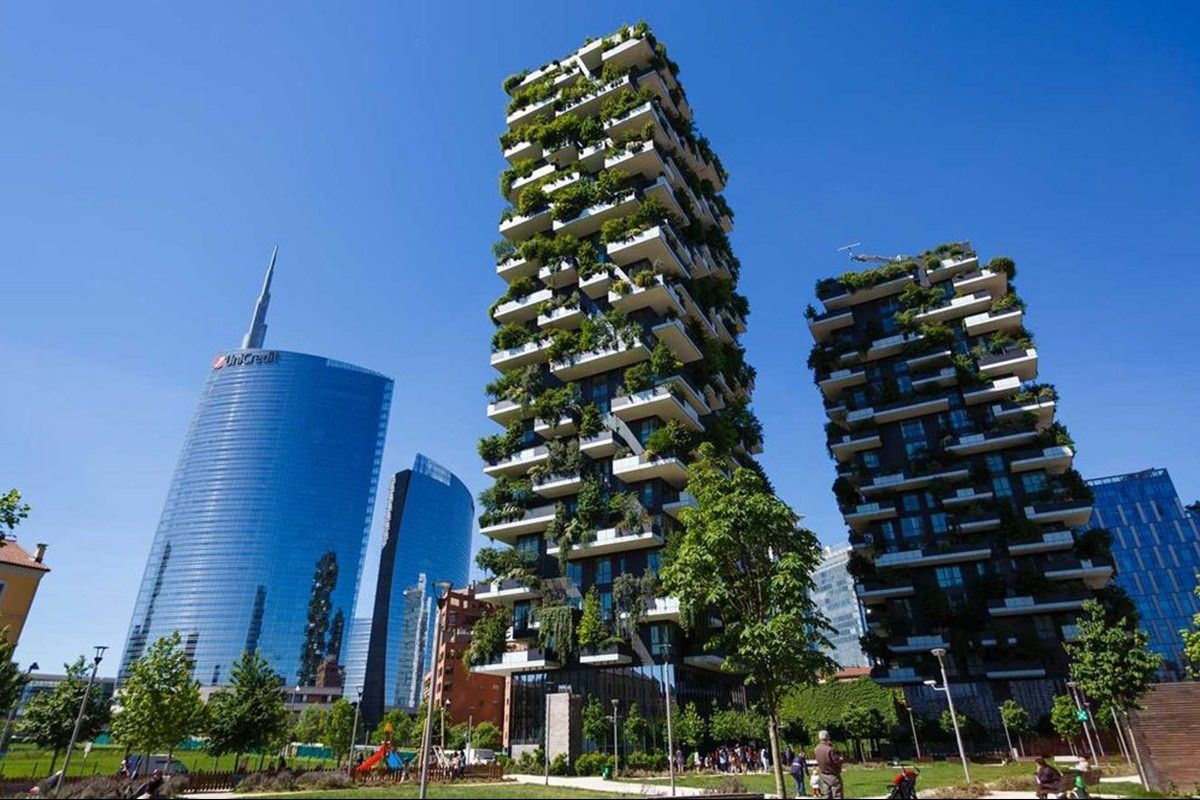
Bosco Verticale in Milan, Image Source: Pedestal.com
Certifications Driving Change
Programs like LEED (Leadership in Energy and Environmental Design) and similar recognitions encourage the adoption of renewable materials, energy efficiency, and innovative designs in the built environment. Platforms showcasing such sustainable projects highlight how architecture and urbanism can address pressing issues such as climate change and resource scarcity.
Architect and Activist: Leaders Shaping the Future
Bjarke Ingels: Merging Functionality and Creativity
Bjarke Ingels, a visionary in architecture and urbanism, combines bold creativity with practicality. His project CopenHill, a waste-to-energy plant with a ski slope and hiking trail, exemplifies how the function of architecture can extend beyond utility to create recreational spaces. Ingels' work showcases how the field of architecture can inspire communities while addressing environmental and social challenges.
Yasmeen Lari: A Beacon of Hope
Recognized as an architect and activist, Yasmeen Lari is a trailblazer who leverages her expertise to address societal issues. Her work focuses on empowering underserved populations through eco-friendly, cost-effective designs. Lari’s affordable housing solutions and community-driven initiatives are testaments to the potential of architecture to shape an equitable society.
Forensic Architecture: Investigating Social and Environmental Justice
The work of Forensic Architecture highlights the investigative power of design and architecture. Their projects use spatial analysis to address the distribution of resources and authority, exposing systemic injustices and advocating for reform.
Challenges in Architectural Activism
Every movement aimed at creating change faces resistance, and architectural activism is no exception, as it grapples with deeply ingrained societal, cultural, and institutional barriers.
- Addressing the Lack of Diversity in Architecture: The field of architecture has long grappled with a lack of diversity, both in representation and perspective. Addressing this gap is essential for fostering inclusive design solutions that reflect the needs of a broad understanding of people.
- Balancing Innovation with Contextual Relevance: Innovative solutions must be contextual, aligning with local cultures, climates, and materials. For instance, a new generation of architects is prioritizing sustainable projects that resonate with community values, avoiding the pitfalls of imposing external ideals.
- Demolition vs. Adaptive Reuse: The global trend of demolition often clashes with the principles of adaptive reuse, which emphasize preserving the cultural and environmental significance of existing structures. Projects that reuse materials and spaces serve as a reminder of architecture's role in conserving resources while addressing pressing issues.
The Path Forward: Agents of Change in Design and Architecture
Engaging with Communities
To address social and cultural challenges, architects must collaborate with stakeholders, ensuring that projects are rooted in the needs of the people they serve. Community-driven initiatives exemplify this approach.
Policy Advocacy and Sustainable Development
Architects must also advocate for progressive zoning laws and urban planning policies that align with sustainability goals. Integrating architecture and design into climate action plans remains crucial for sustainable progress.
Opportunities for Aspiring Activist Architects
- Participate in Design Competitions: Platforms often host contests that challenge participants to propose solutions for social impact.
- Collaborate with NGOs: Organizations addressing homelessness and environmental degradation offer valuable opportunities for architects to contribute meaningfully.
- Engage with Academic Programmes: Institutions encourage research into inclusive design and sustainable solutions.
Conclusion: Hope for the Future
As we navigate challenges, architectural activism stands as a testament to the transformative power of design and architecture. Whether addressing social issues, advancing environmental sustainability, or celebrating cultural heritage, activist architects are reshaping the built environment.
Every structure we create carries the potential to shape a better future. So, to the architects and planners of tomorrow: What will your next project say about the world you want to create?
The future of architecture is bright, but are your skills keeping pace? Kaarwan's architecture-specific courses provide you with the knowledge and tools to confidently navigate the AEC industry. Gain valuable insights, master in-demand software, and stand out with designs that impress!
FAQs
1. What is architectural activism?
Architectural activism leverages design to address social, environmental, and cultural challenges, transforming spaces to foster inclusivity, sustainability, and community engagement.
2. How can architecture address social issues?
Through thoughtful design, architecture can empower marginalized communities, create equitable housing solutions, and enhance cultural and social connections.
3. What are examples of sustainable architecture?
Examples include the Bosco Verticale, which integrates greenery into urban design, and Earthships, self-sustaining homes built from recycled materials.
4. How can architects promote sustainability?
Architects can use renewable materials, advocate for adaptive reuse, and design energy-efficient structures that balance ecological and human needs.
5. What role do communities play in architectural activism?
Communities are integral, providing insights and collaboration to ensure projects address local needs and cultural contexts effectively.