India's architectural heritage is a treasure trove of stories that span centuries and showcase a diverse cultural landscape. Architectural heritage walks and tours provide a unique opportunity for locals and tourists alike to experience India’s rich history through immersive, guided explorations of its cities. By engaging with the architectural details, cultural contexts, and historical narratives that define these cities, visitors gain deeper insight into India's past and present. This article will explore the significance, impact, and highlights of architectural heritage walks and tours in various Indian cities, celebrating the timeless beauty and stories embedded in India's built heritage.
1. Understanding Heritage Tourism in India
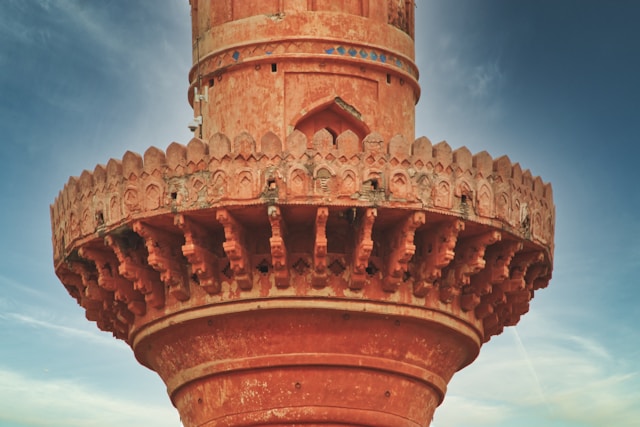
Heritage tourism in India is an ever-growing field that invites tourists to experience the country’s architectural grandeur and historical depth. Defined by an emphasis on history, culture, and preservation, heritage tourism brings visitors closer to the lives, traditions, and aspirations of past generations. Major cities like Delhi, Jaipur, Mumbai, and Varanasi have become hubs for architectural tourism, each offering a unique window into India's multifaceted heritage. Heritage tourism not only educates, but also fosters appreciation for the diverse cultural legacies that have shaped the Indian subcontinent.
2. Key Components of Architectural Heritage Walks
Architectural heritage walks consist of guided explorations of historical landmarks and neighborhoods, each imbued with stories of the past. These tours often cover different architectural styles, providing context to the design and cultural significance of each structure. With elements like storytelling, hands-on activities, and interactions with local artisans, these walks offer an engaging way to learn about India's architectural evolution. Whether through guided or self-guided tours, the immersive nature of heritage walks helps deepen one’s understanding of architecture and history.
3. Popular Indian Cities for Architectural Heritage Walks
Several Indian cities are celebrated for their well-preserved architectural heritage. New Delhi, with its Mughal and colonial structures; Jaipur, the royal city of forts and palaces; Mumbai, with its colonial-era edifices; and Varanasi, the spiritual center of Hinduism, each offer unique heritage experiences. In each city, local organizations and heritage groups arrange thematic walks, tailored to showcase the architectural marvels that contribute to each city’s character.
4. The Cultural Importance of Heritage Walks
Heritage walks play an essential role in preserving and promoting India's cultural identity. They allow communities to showcase their traditions and narratives, fostering pride in local heritage. These tours also raise awareness about the need to conserve historical structures, often rallying public support for heritage protection initiatives. Heritage walks help bridge the gap between past and present, inviting participants to connect with India's cultural tapestry on a personal level.
5. Key Architectural Styles in Indian Heritage
India’s architecture is a mosaic of influences, each style reflecting different cultural and religious ideals. Notable styles include:
- Mughal Architecture: Known for grandiose structures with intricate designs, like the Red Fort and Taj Mahal.
- Colonial Architecture: Seen in cities like Mumbai and Kolkata, these buildings reflect the British architectural influence, with features such as large courtyards, colonnades, and intricate facades.
- Hindu Temple Architecture: Featuring temples with high spires, elaborate carvings, and symbolic motifs.
- Indo-Saracenic Style: A blend of Indian and Western styles, seen in structures like the Mysore Palace.
Each architectural style tells a story of the time, culture, and people who crafted it, and heritage walks bring these stories to life.
6. Notable Heritage Walks in Delhi
Delhi is a city of contrasts, where ancient history meets modernity. Some of the most popular heritage walks in Delhi include:
- Old Delhi Walk: Covering landmarks like Jama Masjid, Red Fort, and bustling Chandni Chowk.
- Lutyens' Delhi: Showcasing colonial architecture with landmarks such as Rashtrapati Bhavan and India Gate.
- Mehrauli Archaeological Park: Offering a journey through centuries, from ancient temples to colonial tombs.
7. Jaipur's Royal Architecture Tours
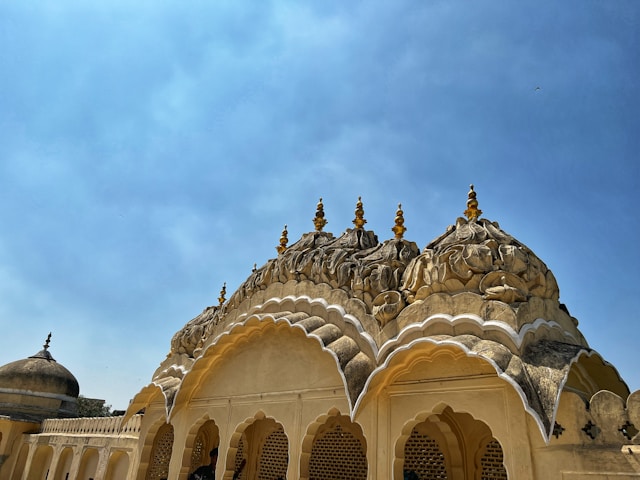
Jaipur, the "Pink City," is a testament to India's royal heritage. Popular heritage tours in Jaipur include:
- Amer Fort Tour: A beautiful blend of Hindu and Mughal architecture, complete with ornate halls and temples.
- City Palace Tour: Showcasing the splendor of Jaipur’s royal past with its opulent architecture and museum.
- Hawa Mahal: Known for its unique honeycomb design and historical significance.
8. Exploring Colonial Architecture in Mumbai
Mumbai’s colonial heritage is a major attraction, with buildings that reflect the city’s role as a British stronghold. Iconic structures on heritage walks include:
- Gateway of India: Symbol of colonial India, with a grand archway.
- Chhatrapati Shivaji Terminus: An UNESCO World Heritage Site, known for its Victorian Gothic design.
- Fort District Walk: Covering historical sites in the heart of the city, showcasing colonial and Indo-Saracenic styles.
9. Sacred Heritage Walks in Varanasi
Varanasi is a city where spirituality and history converge. Heritage walks often focus on:
- Temple Tours: Including famous temples like Kashi Vishwanath and Durga Temple.
- Ghats of Varanasi: Walking along the ghats, where rituals, history, and architecture intermingle.
- Narrow Lanes Walk: Exploring the ancient streets, each with its own charm and history.
10. Architectural Insights into Southern Indian Cities
The southern region of India has its own distinct architectural identity. Highlights include:
- Hyderabad: Featuring the Charminar and Golconda Fort, known for Islamic influences.
- Chennai: Blending Dravidian and colonial architecture, seen in temples and British-era buildings.
11. The Role of Guides in Heritage Tours
Guides are invaluable to heritage tourism, offering insights into each site's history, symbolism, and architectural nuances. Knowledgeable guides can transform a simple walk into a rich learning experience, providing context and storytelling that enhances visitor appreciation.
12. How Technology Enhances Heritage Tourism
Technology has brought new dimensions to heritage tourism. With tools like augmented reality and mobile apps, visitors can explore sites at their own pace, gaining historical insights and architectural details through interactive content. Virtual tours make it possible for individuals to experience India’s heritage from anywhere in the world.
13. Sustainable Practices in Heritage Tourism
Sustainable tourism practices, like promoting small group tours, responsible waste management, and community involvement, are increasingly integrated into heritage walks. These measures help protect fragile structures, reduce the environmental impact of tourism, and support local economies.
Conclusion
Architectural heritage walks and tours in India offer a unique and immersive way to experience the rich cultural and historical tapestry of the country. From the grand palaces and ancient temples of Rajasthan to the intricately designed colonial buildings of Kolkata, each city holds a treasure trove of architectural wonders waiting to be discovered. By integrating these old and new structures, these tours allow visitors to explore the harmony between India’s past and its present, creating a deep appreciation for both the traditional and the modern elements that shape the country’s cities.
The future of architecture is bright, but are your skills keeping pace? Kaarwan's architecture-specific courses provide you with the knowledge and tools to confidently navigate the AEC industry. Gain valuable insights, master in-demand software, and stand out with designs that impress!
FAQs
1. What are architectural heritage walks and tours?
Architectural heritage walks and tours are guided tours through cities or specific heritage sites, where visitors explore the architectural and cultural history of the area. These walks often highlight historical buildings, monuments, temples, and other architectural landmarks, providing insights into their significance and construction.
2. Why is architectural heritage tourism important in India?
Architectural heritage tourism is crucial in India because it promotes awareness about the country's rich architectural legacy, helps preserve historical sites, and boosts local economies through tourism. It also fosters a deeper understanding of India’s diverse cultures and architectural styles.
3. Which Indian cities are known for their architectural heritage tours?
Cities such as Delhi, Jaipur, Varanasi, Kolkata, Mumbai, Chennai, and Ahmedabad are known for their architectural heritage tours. These cities boast a wide variety of architectural styles, including Mughal, Rajput, Colonial, and Dravidian, each offering its own unique heritage experience.
4. What types of buildings are included in these architectural tours?
These tours typically include historical monuments like forts, palaces, temples, mosques, and churches, as well as colonial-era buildings, step wells, traditional havelis, and even modern architectural landmarks that blend with the city’s heritage.
5. Are the tours suitable for all ages?
Yes, architectural heritage tours are generally suitable for all ages. However, the level of difficulty may vary depending on the tour's length and the terrain, especially in older areas with cobblestone streets or steep steps. It's advisable to check the tour details before booking.
6. How can I book an architectural heritage tour?
You can book architectural heritage tours through travel agencies, local tourism boards, online platforms, or even directly through heritage organizations that offer guided tours. Many cities also have official tourism websites where you can find detailed information on available tours.