Maharashtra, a state in western India, is a melting pot of diverse cultures and traditions, which is vividly reflected in its architecture and art. The architecture of Maharashtra boasts a rich history, influenced by various dynasties and empires, particularly the Marathas. The state is renowned for its Maratha architecture, which features unique design elements that showcase the glory and cultural identity of this ancient kingdom.
This article will help you learn about the art and architecture of Maharashtra, exploring its historical evolution, key architectural styles, and the role of local artisans in shaping its distinct architectural legacy.
The Evolution of Architecture in Maharashtra
The architectural heritage of Maharashtra dates back to the ancient period, where influences from both Hindu and Buddhist traditions shaped the state's landscape. Maharashtra’s ancient structures, such as the Ajanta Caves and Ellora Caves, are prime examples of rock-cut architecture. These monuments, built between the 2nd century BCE and the 6th century CE, reflect the early evolution of Indian architecture, characterized by intricate carvings and monumental rock-cut shrines.
In the subsequent medieval period, the architecture of Maharashtra was influenced by the rise of various dynasties, including the Rashtrakutas, Chalukyas, and Yadavas. The later period, especially during the Maratha rule, saw the emergence of Maratha architecture, which was characterized by its fortifications, temples, and palaces, reflecting both military prowess and royal grandeur.
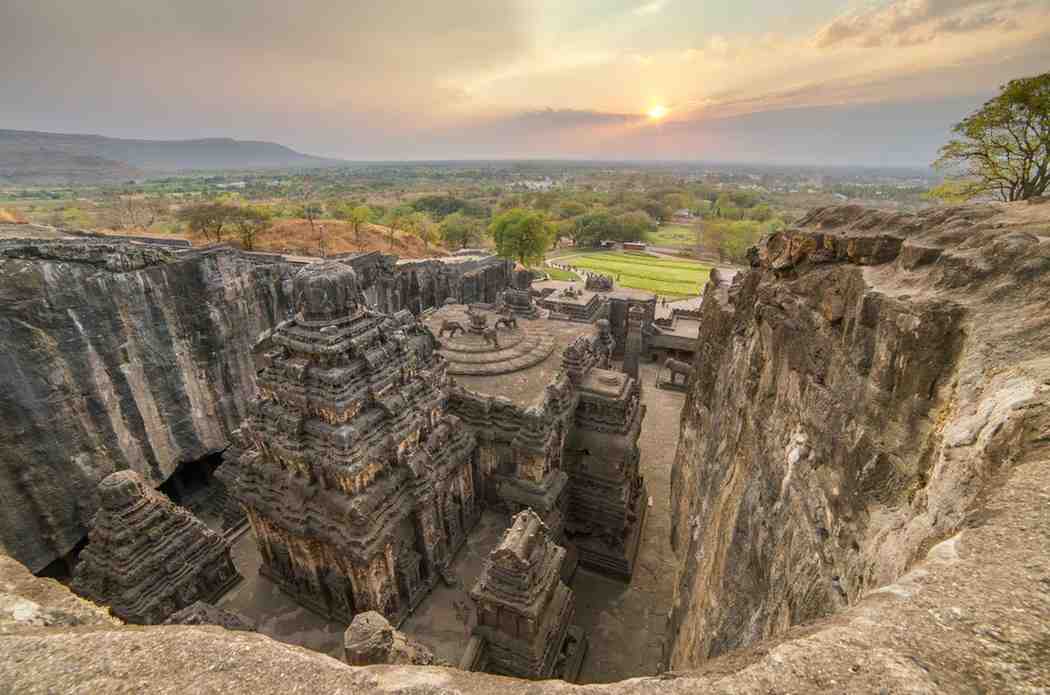
Ellora Caves_©reviewofreligions.org
Key Features of Maratha Architecture
Maratha architecture is an amalgamation of local traditions and influences from different architectural styles. The fortification style, primarily used for building forts in the hilly terrains of Maharashtra, is one of the defining features. Many of these forts were designed with intricate defensive systems, including bastions, watchtowers, and moats. Some of the most famous forts built during this period include Shivneri Fort, Raigad Fort, and Sinhagad Fort.
Another significant aspect of Maratha architecture is its distinctive temple design. The temples built during the Maratha period were often constructed using locally available materials such as stone and wood. The temples also featured intricate carvings, reflecting the skilled craftsmanship of Maratha artisans. One of the best examples of Maratha temple architecture is the Wai Temples in Western Maharashtra, which showcase traditional architectural forms fused with regional influences.
Forts and Palaces of Maharashtra
Forts played an essential role in the Maratha architecture. These were not just military outposts but also symbols of Maratha power and sovereignty. The construction of forts, especially on hilltops, ensured that the Maratha empire had a strategic advantage in terms of defense.
Raigad Fort, the capital of the Maratha Empire under Shivaji Maharaj, is a prime example of Maratha fortification. This fort features an extensive system of gates, bastions, and watchtowers, along with residential quarters, administrative buildings, and temples. It is also home to the famous Shivaji Maharaj's samadhi, a memorial dedicated to the Maratha king.
Key features of Maratha forts:
- Strategic location: Often located on hilltops, providing a vantage point for defense.
- Intricate design: Combining military needs with royal comfort.
- Defensive structures: Including walls, bastions, and watchtowers.
The Sindhudurg Fort on the Konkan coast, built by Shivaji Maharaj, is another example of Maratha fort architecture. This sea fort, with its walls submerged in water, was designed to protect the Maratha Empire from foreign invasions and piracy.
Influence of Local Artisans in Maharashtra’s Architecture
Maharashtrian architecture has been shaped significantly by the local artisans and craftsmen who mastered various techniques over generations. These artisans used regional materials like laterite stone, basalt, and wood, giving the structures a unique aesthetic. Maratha architecture was not limited to military structures but also extended to art forms like carving, painting, and sculpture, which decorated temples and palaces.
The local craftsmanship is visible in the temples of Maharashtra, such as the Pandharpur Temple and the Shirdi Sai Baba Temple, which feature intricate carvings of deities, animals, and scenes from mythology. The architecture of these temples reflects the devotion of the local people and their artistic expression.
Artisan skills include:
- Stone carving: Seen in temples and forts.
- Wooden carvings: Decorative elements in palaces and temples.
- Mural painting: Religious and royal subjects.
Temples and Religious Architecture
Temples in Maharashtra often reflect the region's architectural diversity, blending traditional Indian design with local elements. For example, the Vitthal Rakhumai Temple in Pandharpur is one of the most revered pilgrimage sites in Maharashtra. Its architectural style combines local traditions with elements of Maratha architecture.
Another iconic temple is the Khandoba Temple in Jejuri, which is famous for its stunning stone sculptures and grand entrance gate. The design of such temples includes elaborate pillars, shikhars (spires), and intricately carved doorways.
Temples Built by the Marathas
The Marathas were not just warriors but also great patrons of art and architecture. During the reign of Chhatrapati Shivaji Maharaj, several temples were built to honor local deities. These temples followed the principles of Maratha architecture, using materials such as stone, wood, and copper.
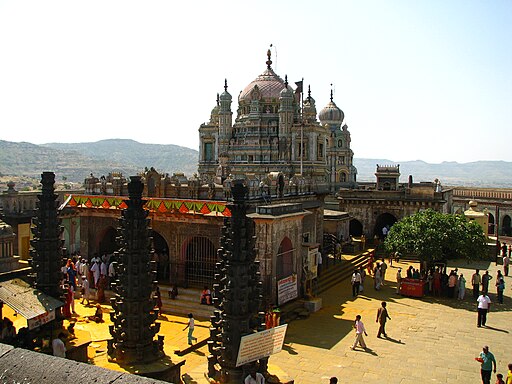
Khandoba Temple in Jejuri_©Ashishbagate13 at English Wikipedia, CC BY-SA 3.0 <https://creativecommons.org/licenses/by-sa/3.0>, via Wikimedia Commons
Influence of Colonial Architecture
While Maratha architecture flourished during the 17th and 18th centuries, the arrival of the British colonialists in Maharashtra brought new architectural influences. The British introduced elements of European classical architecture, which significantly impacted the buildings constructed during the British era in Mumbai and other urban centers of Maharashtra. Buildings like the Chhatrapati Shivaji Maharaj Terminus (formerly Victoria Terminus) in Mumbai reflect this fusion of colonial and Indian architectural styles.
Notable examples of colonial architecture:
- Chhatrapati Shivaji Maharaj Terminus in Mumbai: An example of Victorian Gothic architecture.
- The Gateway of India: A symbol of British colonial rule with Islamic, Hindu, and European architectural elements.
The Role of Art in Maharashtra’s Architecture
Art has played a significant role in shaping the architecture of Maharashtra, especially in the form of murals, sculptures, and paintings that decorate temples and palaces. The Warli paintings from the northern part of the state are a prime example of how traditional art forms complement architecture. These murals, created with natural pigments on mud walls, depict scenes of nature, daily life, and religious themes.
Maharashtra’s unique art forms:
- Warli painting: Traditional tribal artwork.
- Paithani saree designs: Reflected in temple motifs and palace decorations.
- Pithora painting: Geometric art used in homes and temples.
Modern Architectural Movements in Maharashtra
In recent years, modern architecture in Maharashtra has seen the integration of global design trends with traditional elements. Architects in the state are increasingly incorporating sustainable and eco-friendly practices, along with technological innovations, into the design of public and private spaces.
Key features of modern architecture in Maharashtra:
- Sustainability: Use of green building technologies.
- Technological integration: Smart homes and office buildings.
- Urban planning: Development of smart cities like Pune and Mumbai.
Conclusion
The art and architecture of Maharashtra present a unique blend of historical influences, cultural diversity, and regional craftsmanship. From the rock-cut temples of Ajanta and Ellora to the forts of the Maratha empire, the state's architectural legacy is a testament to the creativity and skill of its artisans and rulers. As Maharashtra continues to modernize, its architectural heritage continues to inspire new generations of architects and designers.
The future of architecture is bright, but are your skills keeping pace? Kaarwan's architecture-specific courses provide you with the knowledge and tools to confidently navigate the AEC industry. Gain valuable insights, master in-demand software, and stand out with designs that impress!
FAQs
Q1: What is the architectural significance of Maharashtra in Indian history?
A1: Maharashtra's architecture is a rich blend of historical influences, shaped by various dynasties such as the Rashtrakutas, Chalukyas, and Marathas. It includes rock-cut structures like the Ajanta and Ellora Caves, as well as fortifications, temples, and palaces from the Maratha period, reflecting both military power and cultural heritage.
Q2: What are the key features of Maratha architecture?
A2: Maratha architecture is characterized by its unique fortifications, temples, and palaces. Notable features include defensive structures like bastions, watchtowers, and moats in forts such as Raigad and Sinhagad, as well as intricate temple carvings using local materials like stone and wood.
Q3: How did local artisans contribute to the architecture of Maharashtra?
A3: Local artisans played a crucial role in shaping Maharashtra's architectural heritage, using regional materials like basalt and laterite stone. They mastered various techniques such as stone carving, wooden carvings, and mural painting, which are seen in temples like Pandharpur and Shirdi Sai Baba Temple, reflecting the region’s artistic legacy.
Q4: What influence did British colonial architecture have on Maharashtra?
A4: British colonial architecture introduced European classical design elements to Maharashtra, particularly in urban centers like Mumbai. Structures such as Chhatrapati Shivaji Maharaj Terminus and the Gateway of India blend European styles with Indian traditions, showcasing a fusion of cultures during British rule.
Q5: How is modern architecture in Maharashtra evolving?
A5: Modern architecture in Maharashtra is increasingly integrating sustainable practices and technological innovations. Architects are incorporating eco-friendly materials, green building technologies, and urban planning strategies to create smart cities like Pune and Mumbai, while still drawing inspiration from traditional designs.