Preserving cultural heritage while embracing modern architecture is a significant challenge in today's urban environment. Adaptive reuse architecture is a response to this challenge, offering a solution where old buildings are not demolished but repurposed. In doing so, a fine balance between tradition and contemporary design is achieved. This balance isn’t just an aesthetic decision; it ensures sustainability and honors cultural identity.
This article will help you learn about how to blend both the old and new, particularly when dealing with adaptive reuse of heritage buildings.
What is Adaptive Reuse in Architecture?
Adaptive reuse in architecture involves repurposing an existing structure for a new use. It is a well-known concept among architects, developers, and conservationists. Instead of tearing down buildings that have outlived their original purpose, adaptive reuse allows them to serve new roles while retaining the essence of the past. By maintaining the structural integrity and historical importance, architects can transform these spaces into something fresh, functional, and relevant.
Importance of Adaptive Reuse
Adaptive reuse is about giving new life to spaces that still have value. Some key benefits include:
- Environmental sustainability: Reducing the waste generated from demolishing old buildings.
- Cultural preservation: Retaining the character and history embedded in the building’s original design.
- Economic advantages: Lowering construction costs compared to building entirely new structures.
Why Adaptive Reuse of Heritage Buildings Matters
When a building is considered for adaptive reuse, it often holds historical significance. Adaptive reuse of heritage buildings goes beyond saving a structure from decay. It involves preserving memories, architectural details, and cultural relevance. These buildings have an intrinsic value tied to the history of the place, whether it's a factory converted into loft apartments or an old theater redesigned into a modern art gallery.
The challenge lies in combining contemporary design with traditional elements to create something that works both functionally and aestheticall
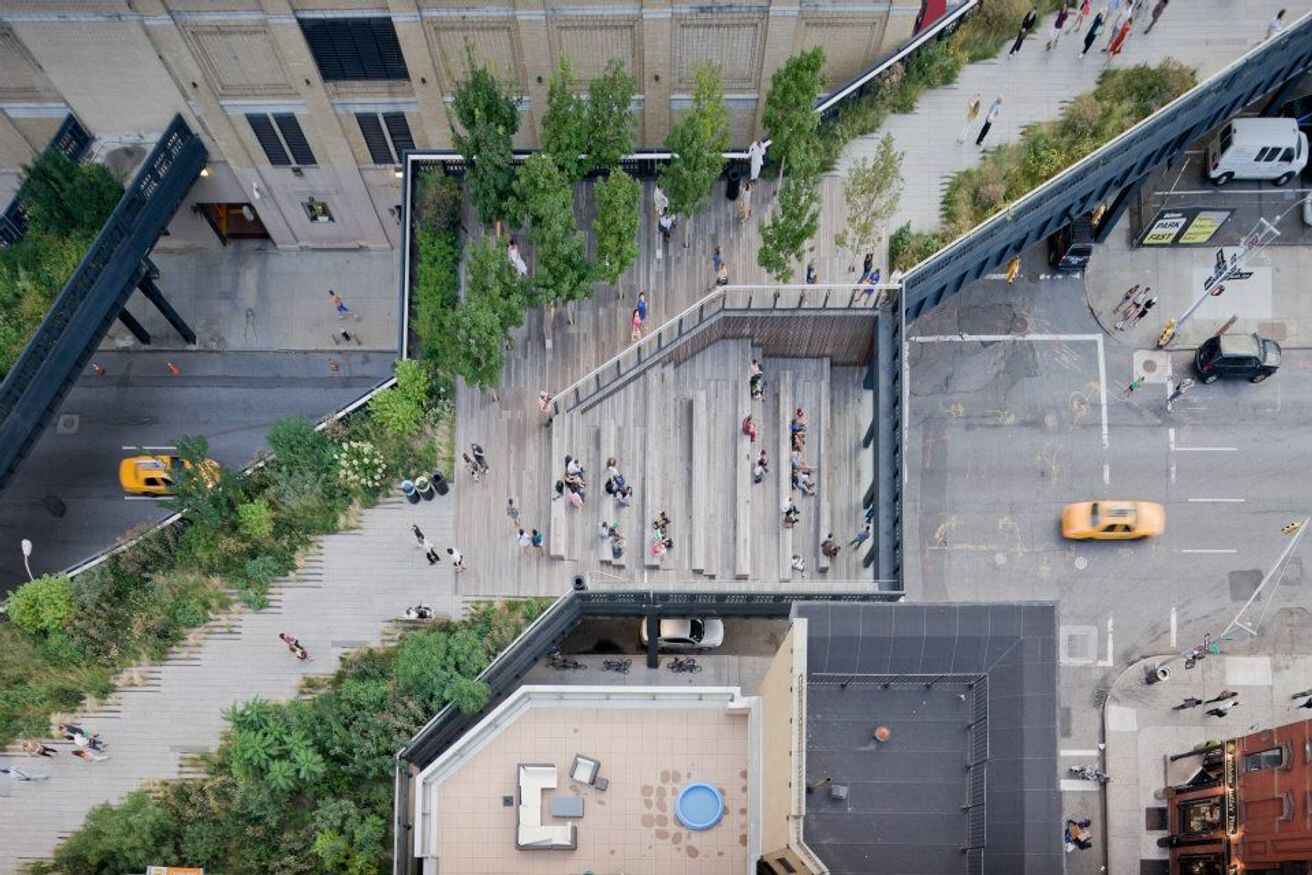
The High Line, New York, United States of America_©architectuul.com
Contemporary Design in Adaptive Reuse Projects
Integrating contemporary design into heritage buildings is not simply about modernizing the structure. It is about respecting the past while meeting current architectural needs. The goal is to enhance usability while preserving the identity of the building. This process involves careful planning and creative problem-solving. Designers must be aware of both the restrictions that come with working on heritage sites and the possibilities that modern technology and design can bring.
The Role of Modern Materials
One way to introduce contemporary design in adaptive reuse architecture is through the use of modern materials like steel, glass, and lightweight concrete. These materials not only update the aesthetic appeal but also improve functionality, offering structural stability while being sympathetic to the existing architecture.
Take, for example, the Tate Modern in London. Originally an old power station, the building was transformed into a contemporary art museum. Glass and steel were used to enhance the open spaces without overshadowing the industrial past of the building.
Blending Old with New: Maintaining Harmony
While modern materials can enhance, they shouldn’t dominate. Adaptive reuse should focus on maintaining harmony between the old and new. Architects often struggle with whether to blend new elements into the old seamlessly or create a clear distinction between the two. Both approaches can be successful, depending on the project's goals.
Challenges of Balancing Preservation and Innovation
Balancing tradition and innovation can be a difficult task, especially when working on heritage buildings. Restrictions imposed by heritage conservation laws, structural limitations, and the need to make the space functional can often clash with modern design aspirations.
Structural Integrity
Older buildings are often not designed to accommodate modern needs. The architecture might lack sufficient ventilation, electrical systems, or structural stability for contemporary use. This forces architects to creatively think about how to enhance a building's usability without altering its character too much.
For example, the Salk Institute for Biological Studies by Louis Kahn features buildings that retain their original brutalist architecture while incorporating new systems and technologies to meet modern sustainability standards.
Legal and Regulatory Hurdles
When dealing with adaptive reuse of heritage buildings, architects often have to navigate a complex web of legal regulations. Many cities have strict guidelines on what can and cannot be altered in a heritage building, adding another layer of complexity to the design process. Architects need to collaborate closely with historical commissions and preservationists to ensure their designs comply with regulations while still meeting client needs.
Costs and Budget Considerations
Adaptive reuse projects are not always cheaper than building new. Restoring a heritage building can require specialized skills, expensive materials, and time-consuming processes to avoid damaging the original structure. These projects often face unforeseen expenses related to structural problems, asbestos removal, or outdated plumbing.
Real-Life Examples of Successful Adaptive Reuse
To further illustrate the effectiveness of adaptive reuse in architecture, here are a few successful real-life examples:
- The High Line in New York City: What was once an abandoned elevated railway has been transformed into an urban park that stretches over a mile long. This project maintained the integrity of the original railway structure while incorporating contemporary landscape design.
- Gasometer City in Vienna: Former gas storage tanks were transformed into a mixed-use development featuring apartments, offices, and entertainment spaces. The industrial exteriors were preserved, while the interiors were completely modernized to meet contemporary needs.
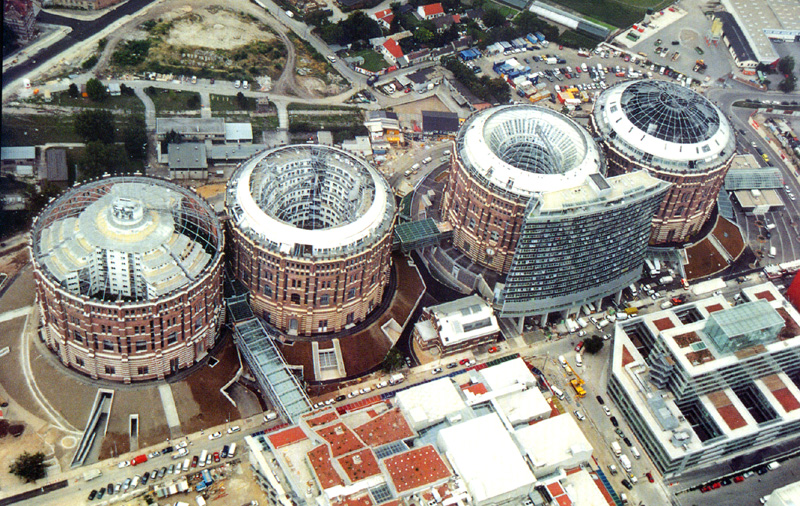
Gasometer City in Vienna_©polyucee.hk
The Future of Adaptive Reuse Architecture
Adaptive reuse architecture is becoming increasingly important as cities prioritize sustainability and resource conservation. By repurposing existing buildings, architects can reduce environmental impact and create vibrant, multifunctional spaces. Innovation in green technologies and design will continue to drive this trend, ensuring that adaptive reuse remains a viable and attractive solution for future urban development.
Conclusion
In the world of architecture, blending contemporary design with traditional elements is no easy task. Adaptive reuse architecture stands as a sign of the power of innovation and preservation working hand in hand. By reimagining spaces while respecting their history, architects can create environments that are both functional and aesthetically pleasing. This approach preserves our cultural heritage and provides sustainable solutions for future generations.
The future of architecture is bright, but are your skills keeping pace? Kaarwan's architecture-specific courses provide you with the knowledge and tools to confidently navigate the AEC industry. Gain valuable insights, master in-demand software, and stand out with designs that impress!
FAQs
Q.1 What is the difference between preservation and adaptive reuse?
Preservation focuses on maintaining a building's original form and function, while adaptive reuse involves repurposing the building for a new use while preserving its key features.
Q.2 What is the design philosophy for adaptive reuse?
The design philosophy centers on balancing historical preservation with contemporary needs, ensuring the building’s functionality while respecting its heritage and aesthetics.
Q.3 What is the difference between adaptive reuse and restoration?
Restoration aims to return a building to its original state, whereas adaptive reuse modifies the building for a new purpose while retaining significant historical elements.
Q.4 What is the principle of adaptive reuse?
The core principle is sustainability, where old buildings are repurposed to reduce environmental impact, conserve resources, and preserve cultural heritage.
Q.5 What are the criteria for adaptive reuse?
Key criteria include structural stability, historical significance, functionality for modern use, environmental benefits, and compliance with local regulations.