Sustainability is no longer an option in modern construction—it’s a necessity. With growing environmental concerns and stringent regulations, the industry is rapidly embracing technology to reduce its ecological footprint. One such game-changer is Building Information Modeling (BIM), a digital process that optimizes planning, design, and construction. When integrated with sustainable design principles, BIM significantly reduces waste, enhances efficiency, and promotes eco-friendly building practices.
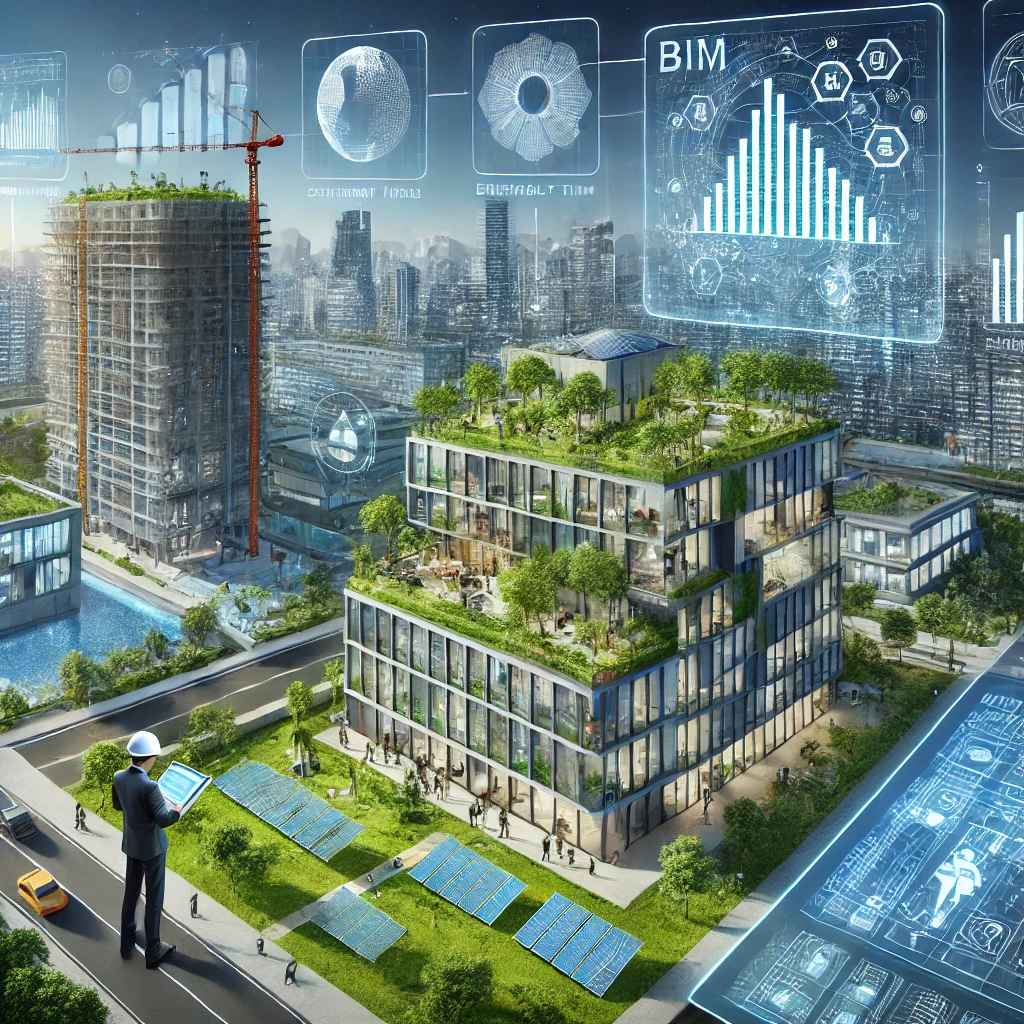
Understanding BIM’s Role in Sustainable Design
BIM provides a data-driven approach to designing and constructing buildings, offering detailed insights that help optimize resource use and minimize environmental impact. By simulating real-world conditions and analyzing performance metrics, architects and engineers can create highly efficient, sustainable structures. Here’s how BIM contributes to sustainable architecture:
1. Reducing Material Waste
- Precise Quantity Estimation: BIM enables accurate material takeoffs, reducing excess material orders and preventing waste.
- Optimized Prefabrication: By integrating prefabrication and modular construction, BIM minimizes on-site errors and waste.
- Life Cycle Analysis: BIM assesses materials’ environmental impact, ensuring sustainable choices.
- Construction Waste Reduction: By integrating digital planning, BIM helps in reducing the waste generated by traditional trial-and-error construction methods.
2. Enhancing Energy Efficiency
- Energy Simulation & Analysis: BIM helps architects assess energy consumption, optimize insulation, and integrate renewable energy sources.
- HVAC Optimization: Advanced BIM models simulate airflow and temperature regulation, reducing energy wastage.
- Daylighting & Passive Design: BIM assists in positioning windows, shading, and ventilation to maximize natural lighting and airflow, cutting down artificial energy usage.
- Carbon Footprint Calculation: BIM allows project teams to estimate the CO2 emissions from construction activities, ensuring sustainability goals are met.
3. Water Conservation Strategies
- Smart Plumbing Design: BIM models help optimize water supply and drainage, reducing leaks and waste.
- Rainwater Harvesting & Greywater Recycling: Architects use BIM to incorporate sustainable water management systems.
- Low-Impact Landscaping: BIM aids in designing green spaces with drought-resistant plants and smart irrigation systems.
- Water Usage Optimization: Simulating water consumption and implementing low-flow fixtures can significantly reduce overall usage.
4. Sustainable Site Planning
- Environmental Impact Assessment: BIM evaluates factors like soil erosion, vegetation impact, and stormwater management before construction.
- Optimized Land Use: Architects can simulate various layouts to minimize disruption to natural landscapes.
- Carbon Footprint Reduction: BIM allows teams to track and lower the emissions of construction processes.
- Urban Heat Island Effect Reduction: By integrating BIM in site planning, green roofs and reflective materials can be designed to minimize urban heat island effects.
5. Smart Facility Management & Long-Term Sustainability
- Digital Twin Technology: BIM’s digital twin enables real-time monitoring of building performance post-construction.
- Predictive Maintenance: AI-driven BIM models help anticipate equipment failures, reducing repairs and operational costs.
- Sustainable Retrofitting: BIM assists in upgrading existing buildings to improve energy efficiency without major overhauls.
- Lifecycle Cost Analysis: Using BIM, project owners can forecast future maintenance costs and energy expenses, ensuring long-term sustainability.
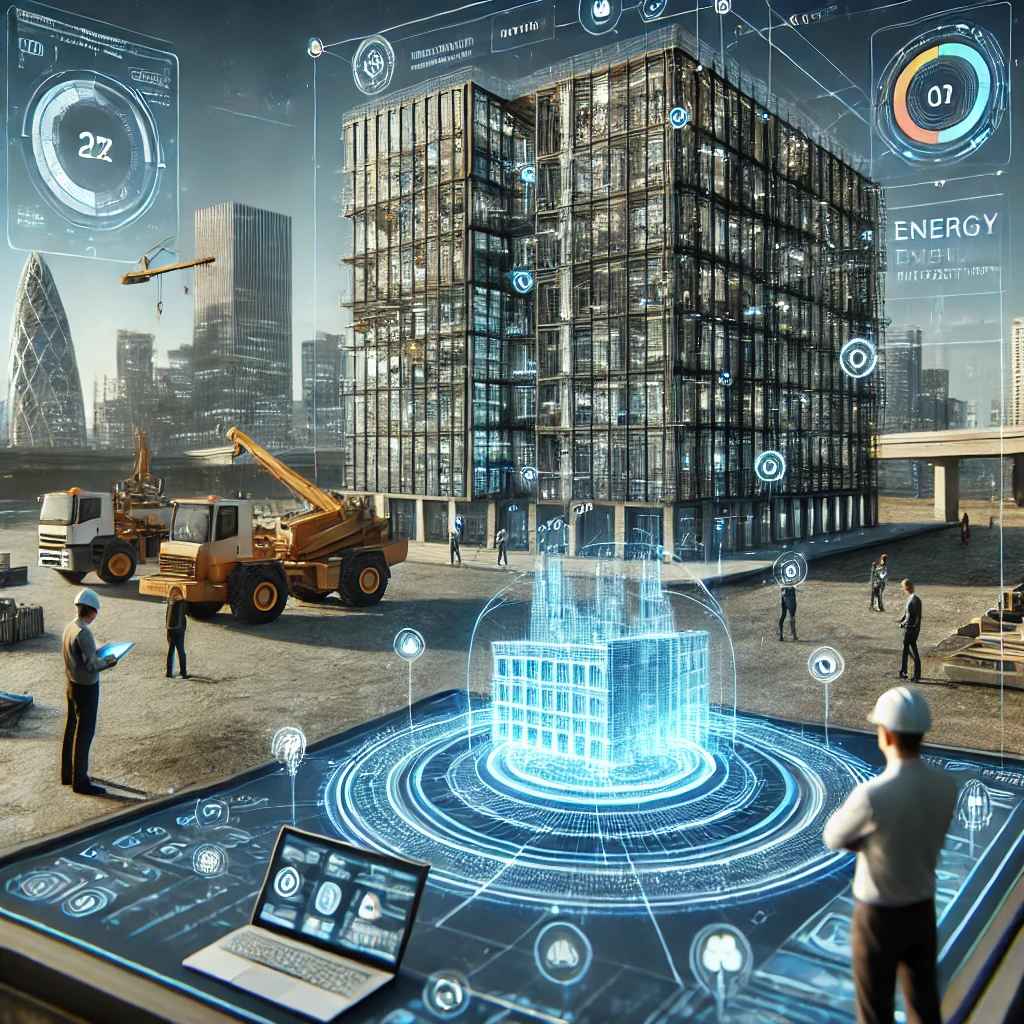
Real-World Examples of BIM in Green Construction
Case Study 1: The Edge, Amsterdam
- One of the world’s greenest buildings, The Edge, utilizes BIM for energy optimization, smart lighting, and climate control.
- BIM integration helped design net-zero energy office spaces, significantly cutting down energy consumption.
Case Study 2: One Central Park, Sydney
- This project leveraged BIM for vertical gardens, smart shading, and rainwater harvesting.
- The result was a LEED Platinum-certified building with exceptional sustainability metrics.
- BIM allowed architects to optimize passive design techniques, ensuring year-round comfort with minimal energy usage.
Case Study 3: Bullitt Center, Seattle
- Dubbed the “greenest commercial building in the world,” the Bullitt Center extensively used BIM for sustainable material sourcing, daylighting strategies, and solar panel optimization.
- BIM helped track the building’s performance, ensuring long-term sustainability.
The Future of BIM in Sustainable Architecture
The future of green BIM is promising, with emerging technologies further enhancing its potential:
- AI & Machine Learning: Automating energy analysis for better design decisions.
- IoT Integration: Real-time tracking of building performance for ongoing optimization.
- Blockchain for Material Tracking: Ensuring transparency in sourcing sustainable materials.
- 3D Printing & Sustainable Materials: BIM-driven 3D printing can reduce waste and increase material efficiency by using biodegradable materials.
- Climate-Responsive Design: Future BIM models may incorporate climate change projections, ensuring that buildings are designed for resilience.
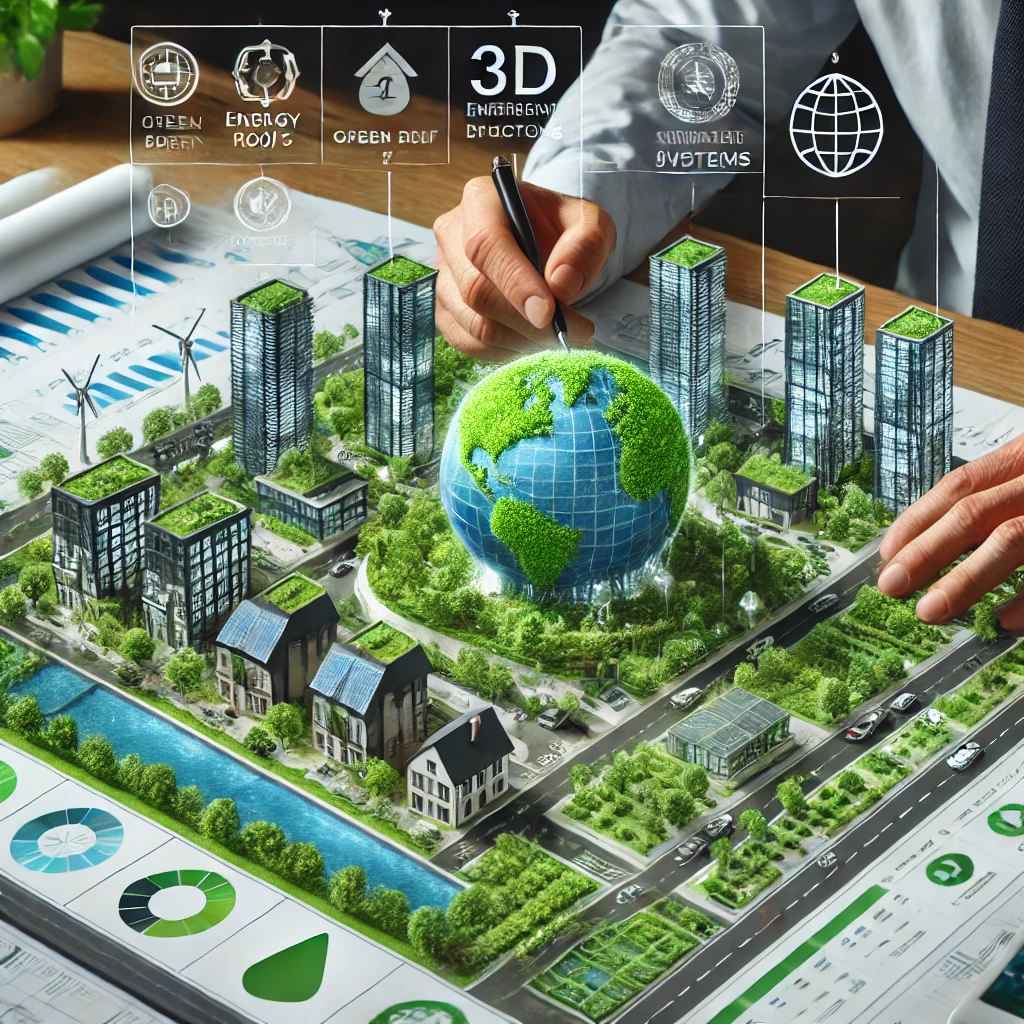
Conclusion
BIM is revolutionizing sustainable architecture, making it easier to build eco-friendly, energy-efficient structures while reducing waste. As technology advances, BIM’s role in sustainability will only grow, ensuring that the construction industry meets global environmental goals. By integrating green BIM practices, architects, engineers, and developers can shape a greener, smarter future for construction.
Master BIM with our comprehensive guide on Revit, Archicad, and Tekla Structures. Optimize your workflow, enhance efficiency, and elevate your projects with industry-leading insights.
Enroll with Kaarwan to advance your professional skills and stay ahead in the field.
FAQs
1. How does BIM contribute to green building certification?
BIM facilitates compliance with LEED, BREEAM, and other sustainability standards by optimizing energy efficiency, material use, and environmental impact assessment.
2. Can BIM be used for existing buildings?
Yes, BIM can be used for retrofitting and energy optimization in existing structures, improving sustainability without extensive reconstruction.
3. How does BIM help in reducing carbon footprints?
BIM enables life cycle analysis, material tracking, and energy simulations, reducing emissions at every stage of construction.
4. Is BIM suitable for small-scale projects?
Yes, BIM benefits projects of all sizes by enhancing efficiency, reducing costs, and ensuring sustainable design practices.
5. What are the challenges of implementing BIM for sustainability?
Challenges include high initial costs, training requirements, and resistance to digital adoption in traditional construction firms.