The role of Building Information Modeling (BIM) has transformed modern construction practices, particularly by refining project management and adding unprecedented accuracy across all construction phases. Professionals with a solid understanding of BIM methodology and construction phases demonstrate expertise that significantly enhances their portfolio projects.
This article will help you learn about the construction phases in BIM, showcase examples of portfolio projects, and highlight how mastering BIM project management can advance your career.
Understanding the Construction Phases in BIM
In a typical BIM-driven project, construction phases provide a structured approach that ensures each stage meets quality, timeline, and budgetary expectations. BIM divides construction into various phases, each providing vital information and structure.
1. Conceptual Design Phase
The conceptual design phase is the first and arguably the most creative. Here, architects and designers develop initial ideas, which set the foundation for the entire project. BIM tools allow teams to create 3D models to visualize layouts, spatial relationships, and aesthetic elements before committing to any specific design.
- Benefits: This phase minimizes design errors by identifying potential conflicts early.
- Real-World Example: A London-based architecture firm used BIM during this phase to save an estimated 15% of costs by correcting design clashes early.
2. Detailed Design and Planning Phase
Once the concept is approved, the detailed design phase begins. This phase involves specific measurements, materials, and structural details. In BIM, design and planning teams collaborate, sharing models that integrate structural, electrical, and mechanical details for a more precise approach.
- Portfolio Significance: Detailed design displays project management skills, attention to detail, and technical expertise.
- Data Insight: According to the National Institute of Building Sciences, using BIM during this phase can reduce project costs by up to 20% due to enhanced collaboration.
3. Documentation and Bidding Phase
In this phase, the BIM model transitions into documentation to assist in the bidding process. BIM facilitates detailed documentation, which enables clear communication with contractors and suppliers. This structured approach improves cost estimation and helps contractors understand the project scope better.
4. Construction and Coordination Phase
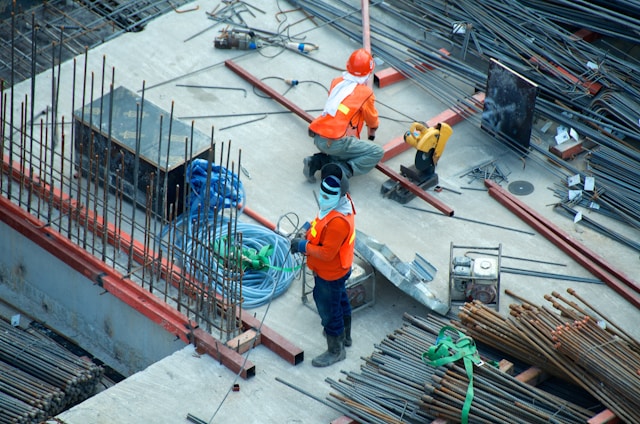
The construction phase is where BIM’s true power in project management is fully realized. Teams use the BIM model to monitor progress, coordinate workflows, and communicate changes in real time, resulting in fewer delays and cost overruns. BIM offers a "single source of truth," allowing seamless collaboration between architects, engineers, and contractors.
5. Operations and Maintenance Phase
The operations and maintenance phase continues long after construction is complete. BIM data creates a digital twin of the building, which is crucial for maintenance planning and facility management. Owners can reference the BIM model to locate systems and schedule repairs.
Portfolio Projects That Showcase BIM Expertise in Project Management
Creating a professional portfolio that illustrates your knowledge of BIM architecture and project management can set you apart in the construction industry. Here’s how to structure projects that highlight your BIM skills:
Showcase Your Design Precision
BIM allows architects and engineers to present high-precision design concepts. For example, demonstrating your ability to manage a BIM model with multiple layers—such as electrical, plumbing, and structural elements—can showcase your attention to detail and technical understanding.
- Tip: Highlight projects where design accuracy helped prevent conflicts during construction, as these examples showcase proactive project management skills.
Highlight Collaboration with Stakeholders
In BIM, project success often depends on collaborative workflows. Adding portfolio projects that emphasize your ability to work effectively with diverse teams will show potential clients or employers that you excel in project management.
- Example: If you coordinated with contractors to resolve a scheduling conflict using BIM, detail this experience to highlight your leadership and problem-solving skills.
Emphasize Real-Time Project Monitoring
During construction, real-time monitoring is crucial. BIM software provides live updates, which allows project managers to make informed decisions instantly. Portfolio projects that illustrate your ability to handle unexpected challenges by adjusting plans in real time will show your adaptability and efficiency.
- Example: Share a project where your BIM model was used to resolve an unforeseen on-site issue, such as material shortages, by quickly finding alternative solutions.
The Role of a BIM Certification Course Online in Building Project Management Skills
Enrolling in a BIM certification course online can provide you with in-depth knowledge of these phases, empowering you to manage complex projects confidently. Here are the benefits:
- Enhanced Project Management Skills: Courses offer insights into handling multiple construction phases with BIM, preparing you to address challenges head-on.
- Increased Marketability: BIM certification adds to your qualifications, making you a more attractive candidate for high-profile projects.
- Practical Application: Online courses often include hands-on projects, allowing you to build a portfolio with real-world examples.

Why BIM Certification is Essential for Your Career Growth
A BIM certification is invaluable because it aligns your skills with the latest in project management technology. Here’s why:
- Competitive Edge: 63% of construction firms globally require BIM expertise for project managers (source: Dodge Data & Analytics).
- Time and Cost Efficiency: BIM-certified professionals have been shown to save approximately 15% on project costs due to their technical proficiency.
Choosing the Right BIM Certification Course Online
When selecting an online course, it’s essential to consider factors like course curriculum, instructor experience, and industry relevance. A good BIM course should cover the construction phases in depth and teach you how to leverage BIM in portfolio projects effectively.
- Top Tip: Look for courses with a focus on real-life applications and hands-on projects to build a strong foundation in BIM project management.
Conclusion
Mastering BIM and understanding its construction phases will not only enhance your project management skills but also add significant value to your portfolio. As the architecture and construction industries continue to embrace BIM, having a BIM certification can give you the tools to stand out.
From initial design to final operation, each BIM phase plays a crucial role in ensuring project success. By highlighting real-world examples and showcasing your experience in managing these phases, you can create a compelling portfolio that attracts top clients and employers. Start with a certification, build your expertise, and make your portfolio projects a proving ground to your skill in BIM architecture and project management.
Want to lead in BIM project management? Start your Professional Revit & BIM Certification Course today and showcase your skills in portfolio-ready projects!
Visit the Kaarwan website for more insights!
FAQs
1. What are the phases of BIM construction?
The phases of BIM construction include design, pre-construction, construction, and operation and maintenance. Each stage allows for accurate data modeling, coordination, and efficient project planning.
2. What is the construction phase in project management?
In project management, the construction phase involves executing the actual building process. This phase is where planned designs become reality, guided by schedules, resources, and continuous quality control.
3. What are the four phases of BIM implementation?
The four phases of BIM implementation are planning, design, construction, and operations. Each phase leverages BIM tools for better collaboration, data accuracy, and lifecycle management.
4. Is BIM useful during the construction phase?
Yes, BIM is invaluable in the construction phase. It provides real-time updates, accurate 3D models, and streamlined workflows, reducing conflicts and enhancing collaboration on-site.
5. How does BIM improve project management?
BIM improves project management by centralizing data, enabling better collaboration, and minimizing errors. It streamlines scheduling, cost control, and resource management, leading to more efficient project delivery.