Preserving cultural heritage isn't just about saving old buildings; it's about retaining stories, traditions, and identities that define a civilization. This article will help you learn about the importance of architectural conservation, its cultural impact, and how it bridges history with modernity.
What Is Architectural Conservation?
Architectural conservation refers to the practice of protecting and preserving historical structures and monuments. It ensures that architectural heritage withstands time and environmental factors while maintaining its authenticity.
Why is it important? Architectural landmarks symbolize societal values and cultural evolution. Losing them would mean erasing a vital chapter of human history. With modern technology and expert craftsmanship, conservation methods ensure that these sites remain a part of our living narrative.
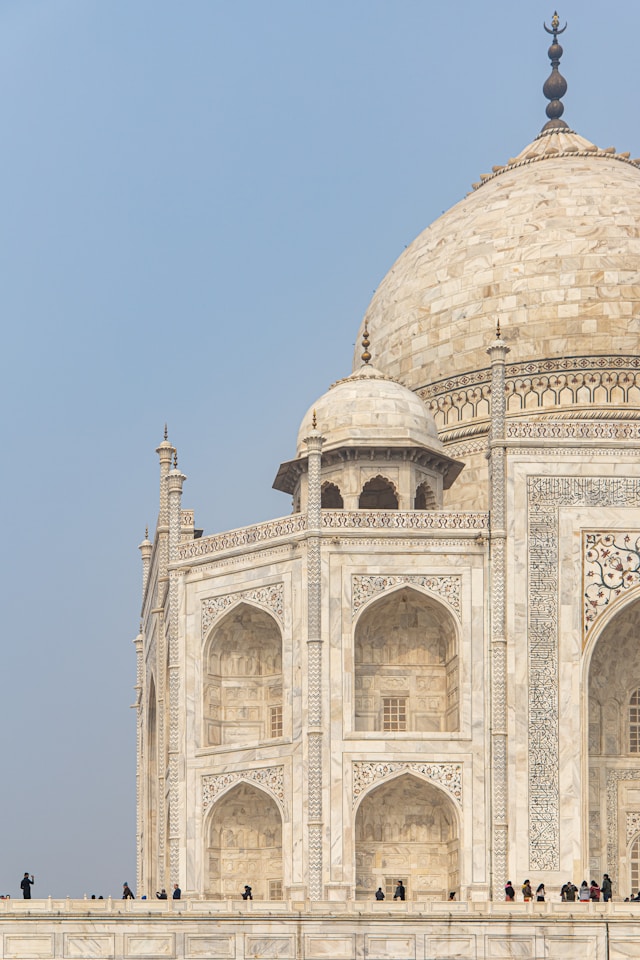
For example, India's Taj Mahal, an iconic UNESCO World Heritage Site, undergoes periodic conservation efforts to combat air pollution and structural degradation. Without this intervention, this architectural masterpiece could lose its brilliance.
The Cultural Value of Architectural Conservation
Preserving Identity and History
Historic structures act as tangible reminders of our past. Architectural conservation helps retain this connection to history, fostering a sense of identity and pride among communities.
- Monuments like the Great Wall of China, the Colosseum in Rome, and Jaipur's Hawa Mahal are not just tourist attractions. They are living examples of engineering brilliance and historical narratives.
- In India, the conservation of ancient forts such as Rajasthan’s Amer Fort preserves the Rajputana legacy, showcasing unique design elements and military strategies.
Without conservation efforts, such priceless landmarks could fade into oblivion. By protecting them, we preserve their stories and legacies for future generations.
Boosting Cultural Tourism
Cultural tourism contributes significantly to local economies. According to the UNWTO, cultural tourism accounted for 40% of global tourism revenue in 2023. Conservation projects ensure these structures remain attractions for visitors worldwide.
For instance, Kerala’s Padmanabhapuram Palace attracts millions, blending cultural significance with economic benefits. Restoration projects ensure its beauty remains intact, driving tourism sustainably.
Techniques and Practices in Architectural Conservation
Traditional Techniques in Modern Applications
Architectural conservation balances tradition and technology. Experts often use original materials and construction methods to preserve authenticity.
- Lime plaster restoration is a commonly used method in Indian temples, maintaining their intricate designs.
- In Europe, medieval castles rely on stone patching techniques to repair aging walls without altering their appearance.
Advanced Technologies in Conservation
Modern conservation involves cutting-edge technologies like laser scanning, 3D modeling, and chemical preservation.
- Laser cleaning was successfully employed to restore the delicate carvings of Paris' Notre Dame Cathedral after the 2019 fire.
- The Ajanta Caves restoration in India used UV lights to detect and prevent microbial growth on ancient frescoes, blending tradition with science seamlessly.
Challenges in Architectural Conservation
Balancing Development and Preservation
Urban expansion often conflicts with preservation efforts. Rapid modernization can lead to encroachment or demolition of historic structures.
For example, several heritage sites in Delhi, like the Hauz Khas complex, face pressures from urban development. Conservationists constantly fight to maintain a balance between growth and heritage.
Funding Constraints
Conservation projects are often expensive. Governments and organizations rely on limited funding and private sponsorships to manage these tasks.
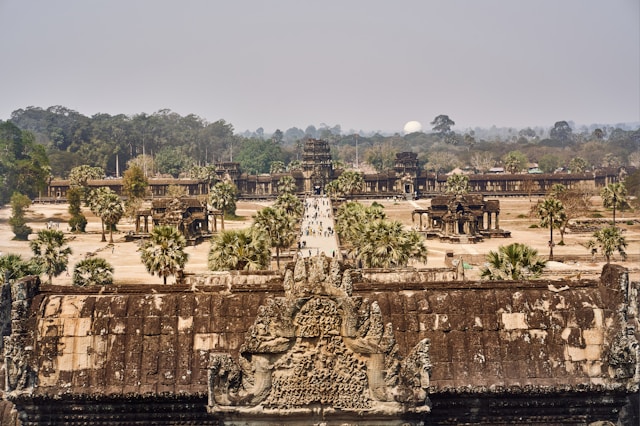
- The ongoing conservation of Angkor Wat in Cambodia is supported by international agencies and UNESCO, emphasizing the need for global cooperation.
- India’s Archaeological Survey of India (ASI) spearheads numerous projects but often struggles due to budget constraints.
Examples of Successful Conservation
Petra, Jordan
Known as the "Rose City," Petra was at risk of deterioration from tourism and natural erosion. The Petra Archaeological Park partnered with global organizations to implement sustainable conservation techniques, including controlled tourism and structural reinforcement.
Humayun’s Tomb, India
This 16th-century Mughal marvel underwent a massive restoration led by the Aga Khan Trust for Culture. The project not only preserved the monument but also revitalized its surrounding gardens, aligning with its original design.
Architectural Conservation: A Global Responsibility
Architectural conservation requires collective effort. Governments, architects, and citizens must work together to protect heritage. Incentives like tax benefits for conservation projects can encourage private organizations to contribute.
Moreover, individuals can participate by respecting cultural landmarks and advocating for their preservation. Community involvement ensures these structures continue to inspire and educate.
Conclusion
Architectural conservation isn't just about protecting buildings; it's about safeguarding cultural identity and fostering a sense of belonging. Every structure has a story to tell, and through conservation, we ensure those stories endure.
From traditional techniques to advanced technologies, conservation blends science with art, ensuring that heritage sites remain a part of the world’s narrative. By supporting these efforts, we create a lasting legacy for generations to come.
The future of architecture is bright, but are your skills keeping pace? Kaarwan's architecture-specific courses provide you with the knowledge and tools to confidently navigate the AEC industry. Gain valuable insights, master in-demand software, and stand out with designs that impress!
FAQs
Q1. What is architectural conservation?
A1. Architectural conservation is the practice of safeguarding historical structures and monuments. It ensures their longevity by protecting them from environmental factors while preserving their authenticity.
Q2. Why is architectural conservation important?
A2. Architectural conservation is vital for preserving societal values and cultural evolution. It prevents the loss of historical narratives, such as the periodic conservation of the Taj Mahal to combat pollution and degradation.
Q3. How does architectural conservation preserve cultural identity?
A3. Architectural conservation maintains tangible connections to history, like conserving Amer Fort in Rajasthan to preserve Rajputana heritage. It fosters community pride and strengthens cultural identity.
Q4. What modern technologies are used in architectural conservation?
A4. Conservation uses advanced tools like laser scanning, 3D modeling, and chemical preservation. Techniques such as laser cleaning restored Notre Dame Cathedral's intricate carvings post-fire.
Q5. What challenges does architectural conservation face?
A5. Key challenges include balancing urban development and heritage preservation, as seen in Delhi’s Hauz Khas complex, and funding constraints, like those faced by India's Archaeological Survey of India (ASI).