Digital Fabrication in Architecture: Transforming the Skylines of the Future
The days of manual assembly, brick by brick, are long gone in the construction industry. The architectural environment of today is alive with the sound of 3D printers creating complete wall pieces and robots cutting materials with precision. Just a few decades ago, these materials would have seemed impossible to control. The construction industry is on the verge of its biggest change since the introduction of steel-frame buildings.
The Dawn of Digital Construction
Imagine walking by a construction site where a huge 3D printer is standing tall instead of the usual scaffolding. The printer is meticulously laying down layers of specialised concrete. This is not a science fiction story; it is occurring right now in Dubai, where the world's first 3D-printed office building stands as a testimony to creativity. Frank Gehry, a well-known architect, states, "Technology doesn't just change how we build; it changes what we can imagine building." The combination of computational design and automated building has made it possible to create shapes and structures that were previously thought to be impossible.
Breaking Down the Building Blocks
Digital fabrication is not limited to 3D printing; it includes other methods as well. These technologies are changing construction sites into advanced production facilities, from CNC routing to robotic assembly. The Saga Tower in Sweden is a remarkable example of parametric design and robotic manufacture. Its intricate geometric facade would not have been conceivable without these techniques, which reduced material waste by 47% compared to traditional methods. Digital tools have made it feasible to achieve a level of perfection in architectural detailing that was previously unattainable.
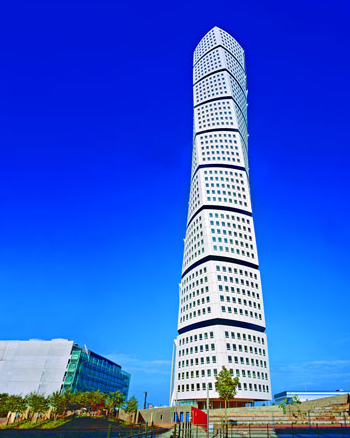
Saga Tower in Sweden (Img Src: Built Constructuions)
Cost and Time: The Game Changers
The conventional timescales for construction projects are being completely disrupted. What used to take months now just takes weeks. WinSun, a business based in Shanghai, proved this by printing ten houses in only 24 hours, with each house costing less than $5,000. These accomplishments are not just remarkable; they are also groundbreaking in terms of tackling the worldwide scarcity of housing. Small-scale studies have demonstrated cost reductions of up to 35% while maintaining or even improving quality standards. Digital fabrication's capacity to operate continuously, reduce human error, and decrease material waste plays a major role in these reductions.
Solutions That Are Sustainable
Digital fabrication is not only quicker, but it is also better for the environment. Smart algorithms make the most use of materials, while precise cutting procedures save waste. The Dutch business MX3D demonstrated this by 3D printing a steel bridge out of recycled components, which resulted in a 60% reduction in carbon emissions compared to traditional methods. Thanks to advanced technologies, it is now possible to determine the precise quantity of material required, which means that the old practice of ordering more than necessary to guarantee an adequate supply is no longer necessary. Compared to traditional construction processes, some projects have claimed waste reductions of up to 75%.
The Human Element in the Digital Era
Even with automation, the knowledge and skills of humans are still essential. Digital tools enhance creativity instead of taking its place. According to architect Neri Oxman, "The future of construction lies not in choosing between digital and traditional methods, but in knowing when to use each." Architects and designers are now expected to have knowledge of computational design and digital fabrication techniques as part of their job. This understanding enables them to push the limits while yet keeping the fundamental human aspects of architectural design in mind.
New Developments in Materials
Digital fabrication has brought about a revolution in the materials used for construction. Researchers are working on the development of "smart" construction materials that can be handled with precision using digital tools. For example, self-healing concrete that contains microorganisms may fix its own cracks, while phase-changing materials can adjust the temperature of a structure based on the surrounding surroundings. These developments, along with digital fabrication techniques, are resulting in buildings that are not only structures but also living, breathing organisms.
Future Considerations
The future of architecture is full with potential. Digital manufacturing is always pushing the limits, from self-assembling structures to bio-printed building materials. Schools all around the world are adding these technologies to their programs in order to prepare the next generation of architects for a future that is enriched by digital tools. The combination of artificial intelligence and digital fabrication tools is expected to make construction operations even more efficient and innovative.
Do you remember when people who were doubtful said that computers would never take the role of draughting tables? The digital fabrication revolution of today is confronted with comparable scepticism, but it continues to transform our physical environment in ways that were previously imagined. As these technologies develop, they will not only make building more efficient, but they will also allow for new ways to represent architecture.
Effects in the Real World
Digital fabrication has an effect that goes beyond only appearance and efficiency. In areas that have been affected by disasters, 3D-printed dwellings can be quickly set up to give emergency shelter. These technologies provide answers to housing constraints in underdeveloped countries while also ensuring that quality criteria are met. The capacity to swiftly develop and test designs has also improved building safety and performance, resulting in structures that are better able to endure natural disasters and environmental stressors.
The real question is not whether digital fabrication will change architecture. The real question is how we will use it to create spaces that inspire, sustain, and serve communities better than ever before. As we approach this technological transformation, one thing is certain: the future of architecture will not only be determined by human hands, but also by the precise and tireless work of digital instruments, which will be driven by human ingenuity and vision.
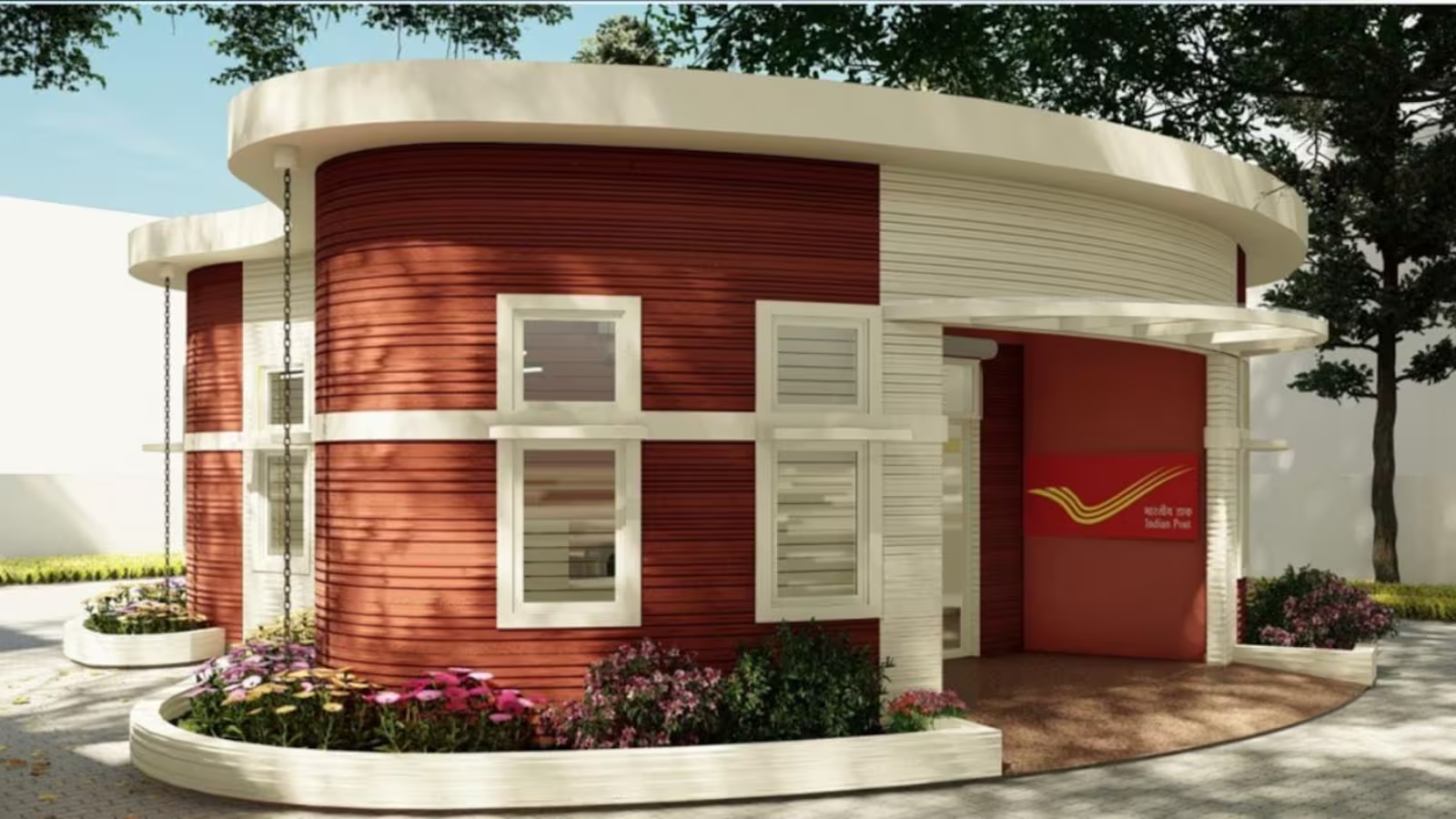
India's First 3d-printed Post Office
As the building industry continues to adopt these new technologies, we are seeing the beginning of a new era in architecture, in which the line between what is possible and what is envisioned becomes less and less distinct. The goal now is to make sure that these technologies are not only used to improve efficiency, but also to help create built environments that are more sustainable, accessible, and exciting for future generations.
The future of architecture is bright, but are your skills keeping pace? Kaarwan's architecture-specific courses provide you with the knowledge and tools to confidently navigate the AEC industry. Gain valuable insights, master in-demand software, and stand out with designs that impress!
FAQs
1. What is digital fabrication in architecture?
Answer: Digital fabrication uses technologies like 3D printing, robotics, and CNC machining to create precise, complex, and sustainable building components, revolutionizing traditional construction methods.
2. How does 3D printing benefit construction?
Answer: 3D printing speeds up construction, reduces costs, minimizes waste, and enables the creation of intricate designs that were previously impossible with traditional methods.
3. What are the environmental benefits of digital fabrication?
Answer: Digital fabrication reduces material waste, lowers carbon emissions, and optimizes resource use, making construction more sustainable and eco-friendly.
4. Can digital fabrication replace human labor in construction?
Answer: No, digital fabrication enhances human creativity and precision but still relies on skilled professionals to design, oversee, and implement projects.
5. What is the future of digital fabrication in architecture?
Answer: The future includes self-assembling structures, bio-printed materials, and AI-driven designs, pushing the boundaries of what’s possible in sustainable and innovative construction.