Generative design is revolutionizing architecture by introducing a new era of innovation and efficiency. It’s a process where designers set parameters, and algorithms generate countless design iterations, offering solutions that would be impossible to conceive manually. This advanced methodology has become a cornerstone in parametric design architecture, enabling architects to explore and evaluate a vast array of possibilities within a fraction of the time. Among the leading tools in this domain are Galapagos and Biomorpher, two powerful plugins for Grasshopper within Rhino architecture software. These tools are transforming how architects approach design challenges, pushing the boundaries of creativity and optimization.
Incorporating generative design into architectural practice is not merely about adopting new tools but about embracing a mindset that values exploration and efficiency. For professionals taking a grasshopper software training or a rhino architecture course, understanding the functionalities of Galapagos and Biomorpher is crucial. These tools empower architects to create innovative, performance-driven designs that respond dynamically to various constraints and objectives.
1. Understanding Generative Design: A New Paradigm in Architecture
The Concept of Generative Design
Generative design is a process that uses algorithms to generate optimized design solutions based on specific criteria. Unlike traditional design methods, which rely on the intuition and experience of the architect, generative design harnesses computational power to explore a vast number of design variations. This approach allows for the creation of highly optimized and innovative solutions that are tailored to meet multiple performance criteria.
In the context of parametric design architecture, generative design represents a significant shift. It moves away from static, predetermined forms and towards a more dynamic, responsive process. By setting parameters—such as material usage, environmental impact, and structural performance—architects can use tools like Galapagos and Biomorpher to explore thousands of design options quickly. This approach not only enhances creativity but also ensures that the final design is both functional and efficient.
Why Generative Design Matters
Generative design is becoming increasingly important in the field of architecture due to the growing complexity of design challenges. As architects are required to consider more variables—such as sustainability, cost-efficiency, and user experience—the need for tools that can manage and optimize these variables becomes crucial. Generative design addresses this need by automating the exploration of design possibilities, allowing architects to focus on refining and selecting the best solutions.
For those pursuing a rhino architecture course or grasshopper software training, mastering generative design tools is essential. These courses often emphasize the importance of understanding how to leverage algorithms to achieve innovative and efficient design outcomes. The integration of tools like Galapagos and Biomorpher into the design process is a testament to the evolving nature of architectural practice, where technology and creativity go hand in hand.
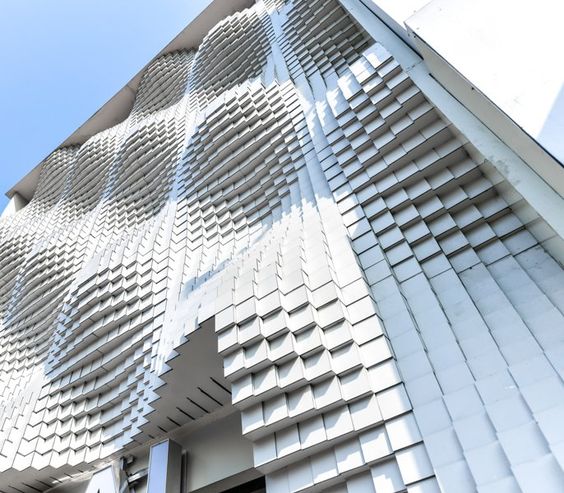
Image source - surfacesreporter.com
2. Galapagos: Evolutionary Optimization in Design
How Galapagos Works
Galapagos is an evolutionary solver integrated into Grasshopper, a visual programming language within Rhino architecture. It uses genetic algorithms to optimize design solutions based on predefined fitness criteria. In essence, Galapagos simulates natural selection by iteratively testing and evolving design options to find the best possible solution.
When using Galapagos, architects define a set of objectives and constraints, such as minimizing material use or maximizing structural stability. Galapagos then generates a population of design options, evaluates them against the objectives, and selects the most successful designs for further refinement. This process continues until the optimal design solution is reached.
Applications of Galapagos in Architecture
Galapagos is particularly useful in scenarios where multiple competing objectives must be balanced. For example, in the design of a sustainable building, architects might need to optimize for energy efficiency, daylight penetration, and material cost. Galapagos allows them to explore a wide range of design variations and identify solutions that best meet these criteria.
The use of Galapagos is a key focus in grasshopper software training and rhino architecture courses. These programs teach architects how to integrate evolutionary algorithms into their design process, enabling them to create innovative and highly optimized designs. As the architectural landscape becomes increasingly complex, the ability to use tools like Galapagos to navigate these challenges is becoming a critical skill.
3. Biomorpher: Interactive Evolutionary Design
What is Biomorpher?
Biomorpher is another powerful plugin for Grasshopper that facilitates interactive evolutionary design. Unlike Galapagos, which automates the selection process, Biomorpher allows architects to take a more hands-on approach. Users can manually select and evolve design options based on their preferences, making it a more intuitive and user-friendly tool.
Biomorpher generates a population of design options and allows users to interactively select the ones they find most promising. This selection process can be based on aesthetic preferences, functional requirements, or any other criteria the architect deems important. Over time, Biomorpher evolves the designs based on these selections, leading to increasingly refined solutions.
The Role of Biomorpher in Design Exploration
Biomorpher is particularly valuable in the early stages of design, where exploration and creativity are paramount. It allows architects to quickly generate and evaluate a wide range of design options, making it easier to explore unconventional solutions. This interactive approach also encourages a more iterative design process, where architects can continuously refine their ideas based on real-time feedback.
In the context of parametric design architecture, Biomorpher is a tool that bridges the gap between automation and creativity. It provides architects with the computational power of evolutionary algorithms while maintaining the flexibility to guide the design process based on human intuition and preference. For those studying in a rhino architecture course, Biomorpher represents an essential tool for fostering creativity and innovation in design.
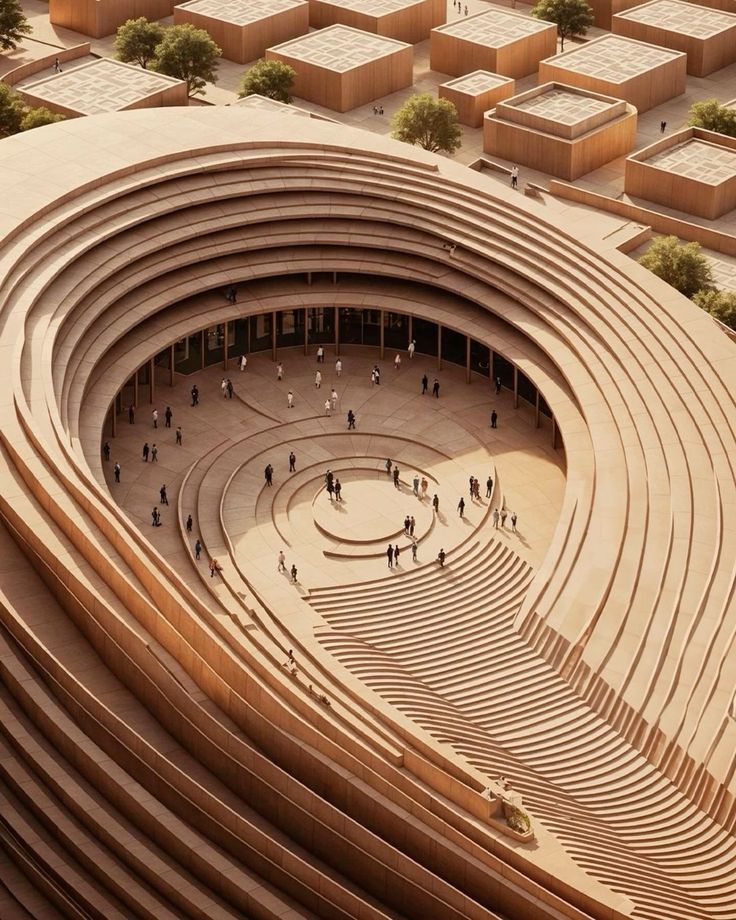
Image source - parametric-architecture.com
4. Integrating Galapagos and Biomorpher in Architectural Practice
Combining Automation and Human Insight
While Galapagos and Biomorpher serve different purposes, they can be effectively combined to leverage the strengths of both tools. Galapagos is ideal for optimizing designs based on quantifiable criteria, while Biomorpher excels in the creative exploration of design possibilities. By using both tools in tandem, architects can create designs that are both highly optimized and aesthetically pleasing.
For instance, an architect might use Galapagos to optimize the structural performance of a building while using Biomorpher to explore different aesthetic options. This approach ensures that the final design is both functional and visually compelling. The ability to integrate these tools is a key focus of grasshopper software training, where architects learn to balance computational power with creative freedom.
The Future of Generative Design in Architecture
As generative design continues to evolve, tools like Galapagos and Biomorpher will play an increasingly important role in architectural practice. They represent the future of design, where architects can explore an unprecedented range of possibilities and create solutions that are both innovative and efficient. For those pursuing a rhino architecture course, mastering these tools is essential for staying at the forefront of the field.
5. Conclusion: Embracing the Potential of Generative Design
Generative design, powered by tools like Galapagos and Biomorpher in Grasshopper, is revolutionizing the field of architecture. These tools offer architects the ability to explore, optimize, and refine design solutions in ways that were previously unimaginable. By integrating generative design into their practice, architects can push the boundaries of what is possible, creating buildings that are not only functional and efficient but also innovative and inspiring.
For architects looking to stay ahead in the rapidly evolving field of parametric design architecture, gaining expertise in these tools is crucial. Whether through grasshopper software training or a rhino architecture course, understanding how to leverage Galapagos and Biomorpher will enable architects to harness the full potential of generative design, leading to more creative and optimized architectural solutions.
Elevate your skills with our Advanced Rhino & Grasshopper Certification Course. Gain expertise and job support to excel in parametric design. Enroll now to transform your career!
Visit the Kaarwan website for more insights!
FAQs
Q.1 What is generative design in architecture?
Generative design is an approach where algorithms generate numerous design options based on set parameters. Architects can then explore and optimize these options, allowing for innovative solutions that meet specific criteria, such as sustainability, efficiency, and aesthetics.
Q.2 How does Galapagos work in Grasshopper?
Galapagos uses evolutionary algorithms to optimize design solutions in Grasshopper. It tests multiple iterations against predefined objectives, such as material efficiency or structural stability, refining the designs through a natural selection process until the best solution is found.
Q.3 What is the difference between Galapagos and Biomorpher?
Galapagos automates the optimization process using genetic algorithms, focusing on achieving specific objectives. In contrast, Biomorpher offers a more interactive approach, allowing architects to manually select and evolve design options based on aesthetic or functional preferences.
Q.4 Why is generative design important in parametric architecture?
Generative design is crucial in parametric architecture because it enables the exploration of complex design possibilities that would be difficult to conceive manually. It allows architects to create highly optimized, innovative designs that respond dynamically to various constraints and requirements.
Q.5 Can Galapagos and Biomorpher be used together in a project?
Yes, Galapagos and Biomorpher can be used together to leverage both automation and creative exploration. Galapagos optimizes designs based on specific criteria, while Biomorpher allows for interactive selection, balancing functionality with aesthetic considerations for a comprehensive design solution.