Gothic Revival architecture is one of the most striking architectural movements of the 19th century, marked by its fascination with the medieval Gothic style. Embracing elements like pointed arches, ribbed vaults, and elaborate stone carvings, Gothic Revival aimed to bring back the grandeur of medieval European cathedrals and castles. This architectural style was not merely a nostalgic return to the past but a movement that reshaped modern design, blending the old with the new in ways that continue to influence contemporary structures.
Historical Context of Gothic Revival
Emerging in the mid-18th century and flourishing throughout the 19th century, Gothic Revival arose in response to the neoclassical architectural norms of the time. It sought to evoke a spiritual and emotional connection to the Middle Ages, a period often idealized for its artistry and craftsmanship. Influential figures like Augustus Pugin in England and Eugène Viollet-le-Duc in France championed the style, believing that Gothic architecture embodied a purer, more authentic design approach.
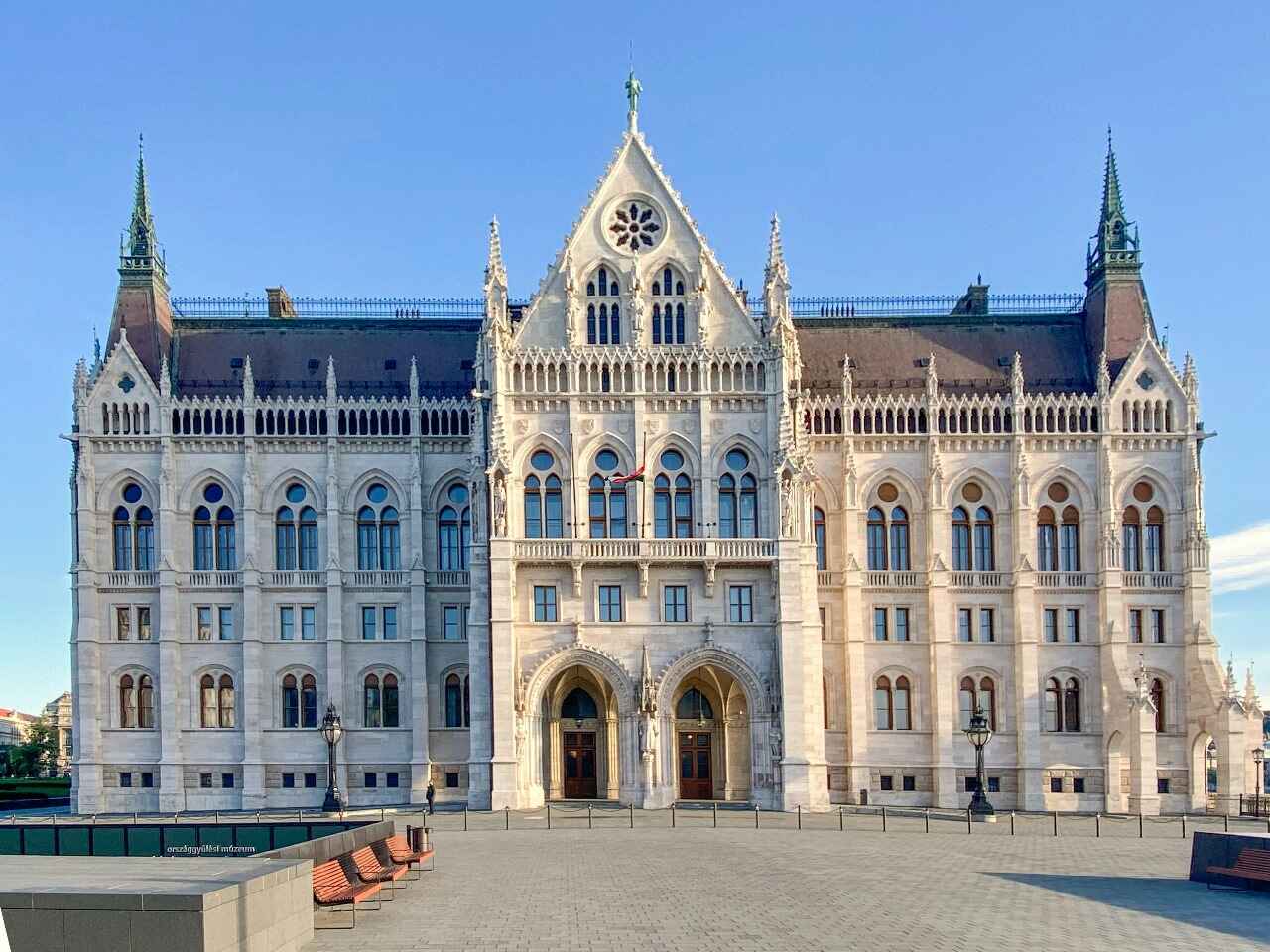
Hungarian Parliament in Budapest.
Key Characteristics of Gothic Revival Architecture
The Rise of Gothic Arches
One of the most iconic features of Gothic Revival architecture is the use of pointed arches, also known as Gothic arches. Unlike the rounded arches of Romanesque and classical architecture, Gothic arches create a sense of height and grandeur. These arches were not only structurally innovative but symbolized the heavens reaching towards the earth, often found in religious buildings like churches and cathedrals.
Use of Ornate Details and Decorations
Ornate details were a hallmark of the Gothic Revival, with intricate stone carvings, stained glass windows, and decorative elements adorning the facades and interiors of buildings. Tracery, gargoyles, and spires were commonly used, adding to the vertical emphasis of the architecture.
The Relationship Between Gothic and Revival Architecture
Revival architecture, in general, aimed to resurrect past architectural styles, and the Gothic Revival was one of its most successful offshoots. While rooted in medieval Gothic principles, it took liberties by incorporating modern materials like iron and steel, blending form with function in an industrializing world. This relationship between the past and present helped shape the identity of 19th-century architecture.
Influence of Medieval Gothic on the Revival Movement
The medieval Gothic style, characterized by its soaring heights and intricate stonework, directly inspired the revival movement. Architects believed that the spiritual and moral values of the Middle Ages could be expressed through Gothic design, leading to the construction of buildings that were not only functional but also served as monuments to cultural heritage.
Famous Examples of Gothic Revival Buildings
Houses of Parliament, London
One of the most iconic examples of Gothic Revival is the Houses of Parliament in London. Designed by Charles Barry and Augustus Pugin, the building showcases the grandeur and elegance of Gothic architecture, with its towering spires and intricate stonework.

Palace of Westminster, London.
St. Patrick’s Cathedral, New York
In the United States, St. Patrick’s Cathedral stands as a testament to the enduring appeal of Gothic Revival. Located in the heart of New York City, this magnificent structure incorporates many of the traditional elements of Gothic architecture, from its pointed arches to its ornate façade.
Materials and Techniques in Gothic Revival Architecture
While Gothic Revival buildings often mimicked the stone masonry of their medieval predecessors, advancements in technology allowed for the use of new materials. Cast iron and steel were incorporated into the structures, enabling architects to create more daring and complex designs. These materials provided both strength and flexibility, allowing for larger windows and more open interior spaces.
Gothic Style and the Romantic Movement
The Gothic Revival was deeply intertwined with the Romantic movement, which emphasized emotion, nature, and a reverence for the past. Romantic thinkers saw Gothic architecture as an expression of these values, leading to a renewed interest in the grandeur and mystery of medieval structures. This philosophical connection helped fuel the popularity of Gothic Revival during the 19th century.
Impact of Gothic Revival on 19th-Century Society
Gothic Revival architecture had a profound impact on 19th-century society, influencing not only the design of buildings but also cultural attitudes. The style was often associated with religious and moral values, and its adoption in public and private buildings reflected a desire to connect with a more virtuous past. Gothic Revival was seen as a symbol of stability and continuity in a rapidly changing world.
Revival of Gothic Architecture in the United States
The Gothic Revival movement spread across the Atlantic, where it found fertile ground in the United States. Many American architects embraced the style, particularly in the design of churches, universities, and public buildings. Gothic Revival became a symbol of cultural sophistication, with many iconic buildings, such as university halls and state buildings, adopting its principles.
Gothic Revival in Churches and Religious Buildings
Churches were among the most common structures built in the Gothic Revival style, as the verticality and ornate detailing of Gothic design lent itself well to places of worship. Architects believed that the Gothic style, with its emphasis on height and light, could inspire spiritual awe and elevate the soul.
Secular Gothic Revival Architecture
While the Gothic Revival is often associated with religious architecture, secular buildings also embraced the style. Castles, mansions, and even government buildings were constructed in the Gothic Revival manner, blending romantic aesthetics with modern functionality.
Modern Adaptations of Gothic Revival Architecture
Neo-Gothic Skyscrapers
In modern times, architects have reimagined Gothic Revival principles in innovative ways. Neo-Gothic skyscrapers, such as the Woolworth Building in New York, incorporate Gothic elements like pointed arches and decorative stonework into towering steel structures, creating a unique fusion of the old and the new.
Gothic Elements in Contemporary Homes
Gothic Revival has also made its way into modern home design. Elements like pointed windows, vaulted ceilings, and intricate woodwork give contemporary homes a sense of history and elegance, while still accommodating modern living standards.
Gothic Arches in Modern Architecture
The Gothic arch remains a popular feature in modern architecture, both for its aesthetic appeal and structural efficiency. Many contemporary architects continue to incorporate Gothic arches into their designs, using them as a way to create dramatic, awe-inspiring spaces.
Sustainability and Gothic Revival Architecture
Gothic Revival architecture, with its emphasis on height and natural light, offers valuable lessons for sustainable design. The large windows and open spaces typical of Gothic buildings allow for better ventilation and natural lighting, reducing the need for artificial energy sources.
Cultural Symbolism of Gothic Architecture Today
In modern culture, Gothic architecture has come to symbolize a sense of mystery, intrigue, and timelessness. Its use in films, literature, and fashion reflects its ongoing influence, as Gothic Revival continues to evoke a sense of the past while remaining relevant in the present.
The Legacy of Gothic Revival in Modern Architectural Design
The legacy of Gothic Revival can be seen in many of today’s architectural movements, particularly those that emphasize historical styles and intricate craftsmanship. The movement’s focus on aesthetics, ornamentation, and the relationship between form and function has left an indelible mark on contemporary design.
Gothic Revival in Popular Culture and Media
From movies to video games, Gothic Revival architecture has become a staple of popular culture. Its dramatic and moody aesthetics are often used to set the tone for stories of intrigue and suspense, cementing its place as a cultural icon.
Criticism and Controversy Surrounding Gothic Revival Architecture
While widely celebrated, Gothic Revival architecture has also faced criticism. Some architects and critics argue that the style’s focus on the past hinders innovation and modernity. Despite these critiques, the movement remains beloved for its beauty and grandeur.
Conclusion: The Enduring Appeal of Gothic Revival Architecture
Gothic Revival architecture, with its blend of history, artistry, and innovation, continues to captivate both architects and the general public. Its influence on modern architecture is undeniable, as its principles are continuously adapted to suit contemporary needs. The enduring appeal of Gothic Revival lies.
The future of architecture is bright, but are your skills keeping pace? Kaarwan's architecture-specific courses provide you with the knowledge and tools to confidently navigate the AEC industry. Gain valuable insights, master in-demand software, and stand out with designs that impress!
FAQs
Q1: What is Gothic Revival architecture?
A1: Gothic Revival architecture is a 19th-century movement that revived elements of medieval Gothic style, such as pointed arches, ribbed vaults, and elaborate stone carvings. It aimed to combine the grandeur of past Gothic cathedrals and castles with modern design.
Q2: How does Gothic Revival differ from medieval Gothic architecture?
A2: While medieval Gothic architecture focused on religious structures, Gothic Revival extended to civic and residential buildings, incorporating modern materials like iron and steel alongside traditional elements.
Q3: Who were the key figures in the Gothic Revival movement?
A3: Augustus Pugin in England and Eugène Viollet-le-Duc in France were major advocates. They believed Gothic architecture expressed moral and spiritual values that were lacking in neoclassical designs.
Q4: What are some famous examples of Gothic Revival architecture?
A4: Notable examples include the Houses of Parliament in London and St. Patrick’s Cathedral in New York. These buildings showcase iconic Gothic elements like pointed arches and intricate stonework.
Q5: How did Gothic Revival architecture influence modern design?
A5: Gothic Revival influenced modern architecture by inspiring the use of verticality, ornate details, and Gothic arches. Neo-Gothic skyscrapers and modern homes continue to incorporate these features today.