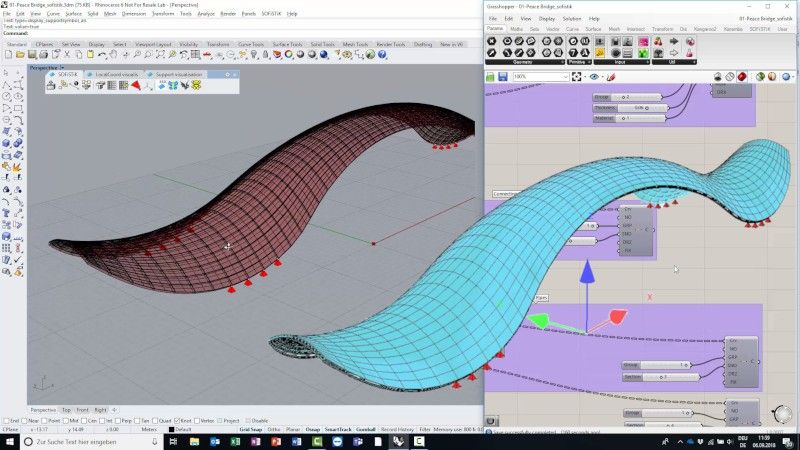
Computational design has changed the field of always changing architecture. Grasshopper for Rhino is among the most useful tools you may pick if you study architecture either professionally or for fun and want to expand your skill set. From parametric modelling to generative design, this potent visual programming language creates a spectrum of employment possibilities in architecture, manufacturing, and even Vastu Shastra-inspired design.
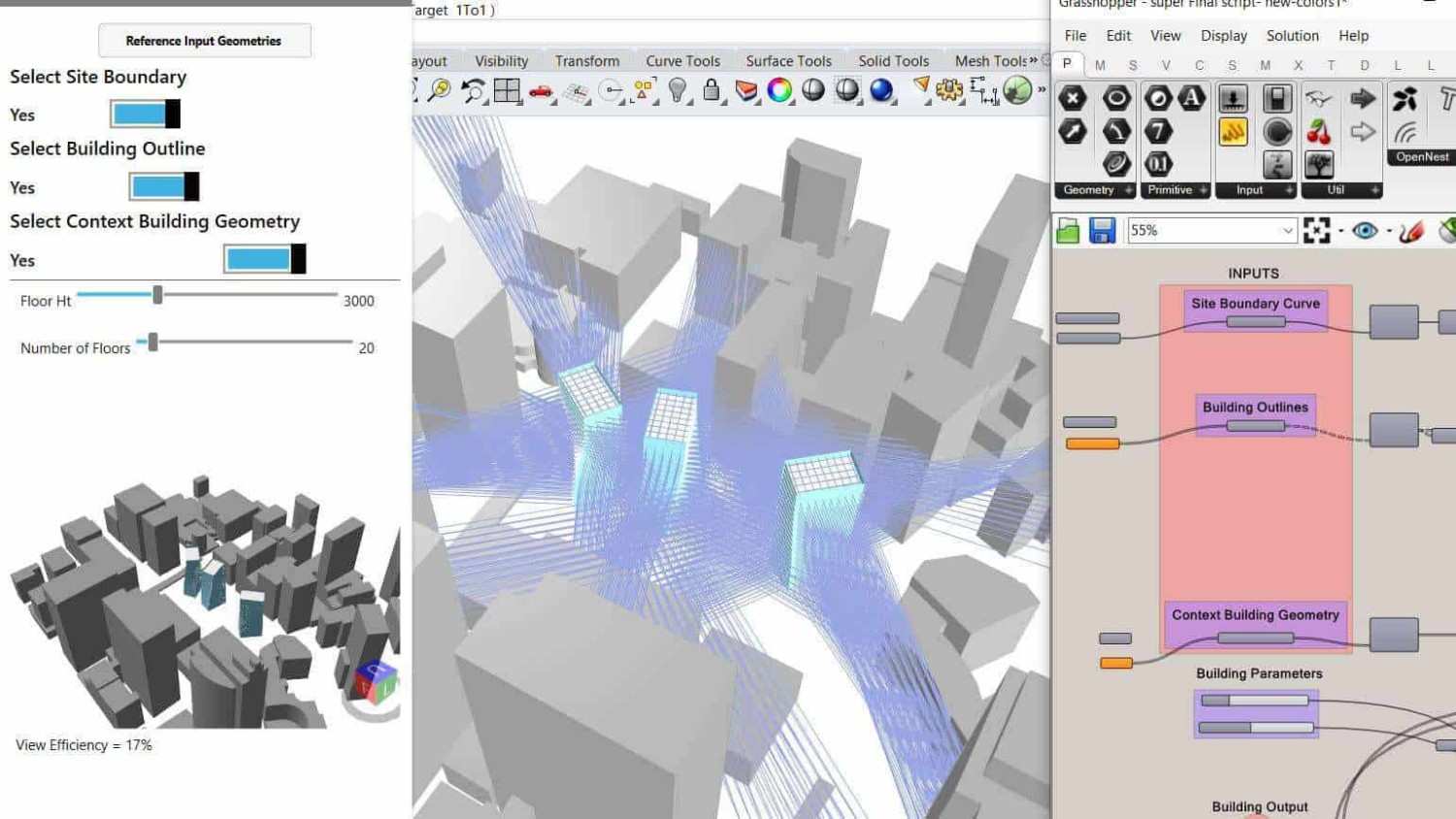
Image Credit: RhinoProf
Read more: Mastering Grasshopper Software: Essential Skills for Parametric Architects
Along with industry trends, this blog will look at Grasshopper career prospects, Grasshopper training, and Grasshopper's influence in architecture. Knowing how to use Grasshopper will help you, regardless of expertise level, significantly advance your career.
Why Grasshopper Matters in Design?
Grasshopper marks a paradigm change in design thinking, not only another tool. Usually, architecture has depended on fixed CAD drawings. With parametric and algorithmic design, however, architects can produce dynamic, adaptable models that react to practical limitations. Here are the reasons Grasshopper is a vital ability:
- Parametric modelling helps designers to build flexible designs that alter automatically depending on input.
- Complex geometry lets one create beautiful forms that would be challenging or impossible to build by hand.
- Automation and efficiency help architects to concentrate on creative problem-solving by reducing repetitious activities.
- Applied in urban design, environmental analysis, and Vastu architecture to maximise natural light and space use is multidisciplinary application.
- Integration with robotics and artificial intelligence improves 3D printing, digital fabrication, and robotic construction.
- Grasshopper training is a must-have addition to your skill set if you really want to streamline your design process.
Read More: 10 Reasons Why Architects Should Learn Rhino & Grasshopper
Professional Possibilities Using Grasshopper Skills
Learning Grasshopper can offer a number of job options. Professionals with parametric design knowledge are sought after by companies all around, particularly in tech-driven sectors and forward-looking architectural companies. Let's investigate several important responsibilities in the workforce:
1. Designer Parametricistically
Many architecture companies are recruiting parametric designers to create algorithm-driven solutions as computational design becomes more popular. These experts operate on:
- Facade optimisation
- Environmentally friendly building ideas
- Structural Simulations
2. Architect for Computers
Those who like coding and algorithmic thinking would find this job perfect. Grasshopper is used by computational architects developing Python or C# alongside:
- Design strategies for smart buildings
- Reactive urban design ideas
- Architectural designs with artificial intelligence integration
Read more: 10 Reasons Why Architects Should Learn Rhino & Grasshopper
3. Digital Fabrication Specialist
Architects with fabrication knowledge are much sought for as Grasshopper deftly combines with CNC milling and robotic arms. Fields that call for sophisticated, tailored constructions—such as parametric furniture and pavilion designs—actively search for Grasshopper experts.
4. Urban Planner and Environmental Analyst
Grasshopper is not only about beautiful design; it is also very important for sustainable city planning and environmental study. You could use it for:
- Solar and wind studies for environmentally friendly architecture
- Simulations in traffic and pedestrian flow
- Optimisation of green areas in metropolitan developments
Read more: How Rhino and Grasshopper Are Shaping Parametric Design Trends
5. Entrepreneurial Possibilities and Freelance Projects
Many Grasshopper-experienced architects choose to form their own companies or work as freelancers. Services might comprise:
- Parametric furniture design from bespoke standards
- Generating algorithmic patterns
- Inspired designs using ancient Vastu architecture
_1741684284865.jpeg)
Image Credit: BIM Corner
Read more: How Rhino and Grasshopper Are Shaping Parametric Design Trends
New Directions in Grasshopper & Architectural Design
Maintaining your ahead of the curve by following industry trends guarantees these advancements are influencing the field as follows:
1. Artificial Intelligence-Driven Parametric Design
With machine learning algorithms helping architects maximise building performance, artificial intelligence is improving computational design. One topic of interest is Grasshopper's interaction with AI technologies.
2. Wide-Ranging Influenced Computational Design
Digital tools like Grasshopper are being included more and more into Vastu Shastra classes. Applying algorithmic ideas, architects can create offices and residences that fit traditional spatial concepts while guaranteeing contemporary efficiency.
3. Circular, Sustainable Architecture
Architects are adopting Grasshopper for material optimisation and lifespan analysis under the focus on sustainability, therefore guaranteeing low waste and energy-efficient designs.
4. Integration of Virtual Reality (VR) & Augmented Reality (AR)
AR/VR systems are using grasshopper-based parametric models to provide interactive design experiences, therefore enabling designers and clients to interact with projects in real time.
5. Digital Fabrication & Robotics
With Grasshopper central in fabrication automation, robotic building techniques including 3D-printed buildings mostly depend on parametric scripts.
Read more: The Future of Design: 5 Reasons to Learn Parametric Design
How to Start Grasshopper Training?
If Grasshopper is new to you, start with classes designed for beginners covering the foundations of parametric design. Search for:
- Practical skill building hands-on projects
- Integration for pragmatic uses with Rhino
- Advanced courses in automation programming
Kaarwan provides specialist courses catered for architects. See our advanced Rhino course for more information.
Conclusion
Maintaining leadership in the competitive architectural scene of today requires adopting fresh technologies. Grasshopper for architecture accelerates a career rather than only a talent. From robotic manufacture to urban design, parametric designers are in increasing demand. Grasshopper training can provide you the tools you need to excel whether your goals are to improve your productivity, investigate Vastu-based design, or work on innovative sustainable initiatives.
About ready to upskill? Visit Kaarwan to explore our specialist Grasshopper courses and advance your career.
Visit our website Kaarwan for more!
Often Asked Questions
- For novices, is Grasshopper challenging to learn
Grasshopper is a visual programming language, hence learning it is simpler than with conventional coding. Beginning users can pick the principles fast with organised training.
- Before studying Grasshopper, should I know Rhino? Indeed, Grasshopper is a plugin for Rhino, hence knowing some basic Rhino is quite helpful. Many classes, like ours, nonetheless cover both combined.
- Apart from architecture, what sectors call for Grasshopper skills? Industrial design, jewelery creation, furniture construction, urban planning, and even Vastu-inspired architecture for maximised layouts all benefit from grasshoppers in design.
- Is sustainable design something Grasshopper might help with? Sure! In sustainable architecture, material optimisation, energy efficiency simulations, and environmental analysis, grasshopper finds extensive application.
- Where are the best architectural Grasshopper courses available? Expert-led Grasshopper training tailored for designers and architects is available from Kaarwan. See our courses to begin learning right now.
Cover Image Credit: Softisik