Grasshopper, a visual programming language integrated with Rhino architecture, has revolutionized design in the AEC industry. For aspiring parametric architects, mastering this tool isn't optional—it’s essential. This article will help you learn about why Grasshopper training is indispensable for achieving excellence in parametric design and how it aligns with the future of architecture.
What Is Grasshopper and Why Is It a Game-Changer?
Grasshopper, developed as a plug-in for Rhino, is renowned for enabling designers to create complex geometries through computational logic. It allows architects to design algorithmic solutions, making the impossible achievable. Its seamless integration with Rhino amplifies capabilities, from scripting complex patterns to optimizing structural designs. So why is it a game-changer? Because it bridges creativity and precision like never before.
Key Features of Grasshopper
Grasshopper's potential lies in its adaptability:
- Algorithmic Design: Automates repetitive tasks, enhancing efficiency.
- Interoperability: Compatible with plugins like Kangaroo and Ladybug for simulations.
- Scalability: Suitable for projects ranging from furniture design to skyscrapers.
These features place Grasshopper at the heart of parametric architecture, defining how modern architects visualize and execute ambitious designs.
Why Grasshopper Training Matters for Aspiring Parametric Architects
Stay Ahead in a Competitive Field
The architectural industry increasingly demands expertise in computational tools. Statistics from Archinect show that nearly 85% of parametric design job listings specifically require proficiency in Grasshopper (Source: Archinect, 2024). By enrolling in Grasshopper training, aspiring architects position themselves as frontrunners in this competitive field.
Master the Fundamentals of Parametric Design
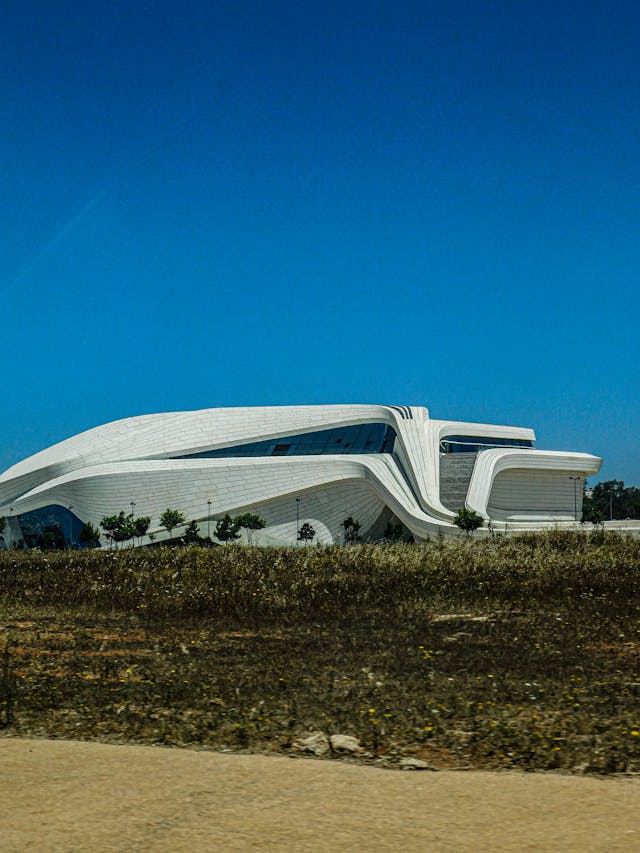
A structured training program helps participants master algorithmic thinking, enhancing their ability to design intelligently. Real-world projects, like Zaha Hadid’s Heydar Aliyev Center, showcase the necessity of parametric tools like Grasshopper. These tools allowed the architects to achieve the building’s fluid, dynamic form.
How Grasshopper and Rhino Work Together
Understanding Grasshopper alone isn’t sufficient; its power is fully realized when integrated with Rhino architecture.
- Complex Geometry: Rhino simplifies the modeling of complex shapes, while Grasshopper adds layers of algorithmic control.
- Seamless Workflow: Grasshopper scripts directly interact with Rhino’s 3D environment, enabling real-time updates.
Taking Rhino and Grasshopper training solidifies foundational skills and prepares architects to handle projects demanding computational expertise.
Benefits of Grasshopper Training for Parametric Architects
1. Unlock Advanced Design Capabilities
Grasshopper enables designers to experiment with complex patterns and adaptive forms. For example, the Al Bahar Towers in Abu Dhabi feature a dynamic façade controlled through parametric algorithms, optimizing sunlight and energy use.
2. Enhance Problem-Solving Skills
Training in Grasshopper fosters algorithmic thinking, a valuable skill for tackling intricate architectural challenges. For instance, generating sustainable design solutions becomes more manageable when simulations are scripted within Grasshopper.
3. Build a Portfolio That Stands Out
Grasshopper allows architects to create visually striking portfolios. A compelling portfolio often serves as the deciding factor in securing internships or jobs.
Applications of Grasshopper in Architecture
1. Facade Optimization
Grasshopper helps architects design responsive façades. The Harpa Concert Hall in Reykjavik, for instance, utilized parametric scripts to create its stunning, light-reflecting façade.
2. Sustainability and Energy Efficiency
Plug-ins like Ladybug and Honeybee within Grasshopper enable energy simulations. The Bullitt Center in Seattle exemplifies how computational tools can achieve energy-efficient buildings.
3. Generative Design
Grasshopper’s generative design capabilities allow architects to explore multiple iterations in seconds. This approach was pivotal in the design of the Beijing National Stadium, also known as the Bird’s Nest.
How to Choose the Right Grasshopper Training Program
With numerous options available, selecting the right training program can be challenging. Here’s what to look for:
- Experienced Instructors: Ensure the course is taught by industry experts.
- Hands-On Projects: Practical exercises solidify theoretical knowledge.
- Integration with Rhino: Opt for courses that include Rhino training to maximize learning.
Grasshopper Training vs. Self-Learning
Advantages of Professional Training
- Structured Curriculum: Covers essential concepts without overwhelming beginners.
- Networking Opportunities: Connect with peers and industry professionals.
- Certification: Adds credibility to your resume.
Challenges of Self-Learning
- Time-Consuming: Finding reliable resources can be tedious.
- Lack of Feedback: Mistakes may go unnoticed without expert guidance.
While self-learning suits hobbyists, aspiring professionals benefit immensely from structured training programs.

Future of Parametric Architecture
The AEC industry’s reliance on computational tools is set to grow. According to the World Economic Forum, parametric design will drive sustainable construction practices, reducing waste by up to 30% by 2030 (Source: WEF, 2023). Architects proficient in Grasshopper will lead this transformation, designing smarter, greener buildings.
Conclusion
Grasshopper training is a stepping stone for aspiring parametric architects. By mastering this tool, professionals gain a competitive edge, unlock creative potential, and contribute meaningfully to Rhino architecture innovations. Whether you're a student or a professional, investing in Grasshopper skills ensures you're future-ready. Enroll in a reputable course today and shape the architectural marvels of tomorrow.
Master Grasshopper and Rhino! Learn parametric design skills with our hands-on Advance Rhino & Grasshopper Certification Course. Join today to shape architectural innovations!
Visit the Kaarwan website for more insights!
FAQs
Q1. What is Grasshopper, and why is it important in architecture?
A1. Grasshopper is a visual programming language integrated with Rhino architecture. It enables architects to create complex geometries using computational logic, automating tasks, and enhancing precision in parametric design.
Q2. Why should aspiring Parametric Architects prioritize Grasshopper training?
A2. Grasshopper training provides mastery of algorithmic design and computational tools. It is essential for creating innovative, sustainable designs and staying competitive in the architectural industry, where 85% of parametric jobs demand this skill (Source: Archinect, 2024).
Q3. How do Grasshopper and Rhino complement each other in design?
A3. Grasshopper adds algorithmic control to Rhino’s 3D modeling capabilities, enabling architects to design and test complex geometries in real time. Together, they streamline workflows and enhance functionality, such as integrating with BIM platforms.
Q4. What are some key applications of Grasshopper in architecture?
A4. Grasshopper is used for façade optimization, energy-efficient designs, and generative design. Examples include the dynamic façades of Al Bahar Towers and the energy simulations of the Bullitt Center using plug-ins like Ladybug and Honeybee.
Q5. What factors should be considered when choosing a Grasshopper training program?
A5. Choose a course with experienced instructors, hands-on projects, and integration with Rhino. These features ensure comprehensive learning, practical experience, and career-ready skills in parametric architecture.