Picture this: You're standing in the heart of Mumbai, surrounded by the hum of traffic and the glare of glass skyscrapers. Now, imagine a different Mumbai—where living walls bloom with flowers and ferns, and rooftops aren't just concrete slabs, but vibrant ecosystems covered with vegetation. This isn't science fiction; it's how vertical gardens and green roofs are reshaping urban living in India.
"As Indian cities grow vertically, so must our green solutions," remarks a leading architect.
This innovative solution couldn't be more timely. In densely populated urban areas, we're literally running out of space to breathe, making the implementation of green roofs and vertical gardens crucial for our survival.
The Urgent Need for Green Solutions
In cities like Delhi, air pollution chokes the streets. Mumbai's teeming population struggles to find green space amidst its concrete jungle. The urban heat island effect has turned our cities into ovens, while seasonal floods have become routine nightmares. What we need are solutions that fit into this tight urban fabric—both extensive and intensive green roof systems that transform urban spaces.
Take New Delhi's Connaught Place. Imagine if every building featured vertical gardens, also known as living walls, filtering air and providing natural insulation. These green facades could dramatically improve air quality and reduce energy consumption in existing buildings.
Vertical Gardens: Nature's Air Purifiers
Vertical gardens are essentially living walls that turn barren vertical surfaces into thriving ecosystems. Using sophisticated modular systems and careful plant selection, these installations create stunning green walls that work indoors and outdoors. The success of green wall projects depends on proper irrigation systems and drainage systems, ensuring optimal growing conditions for climbing plants.
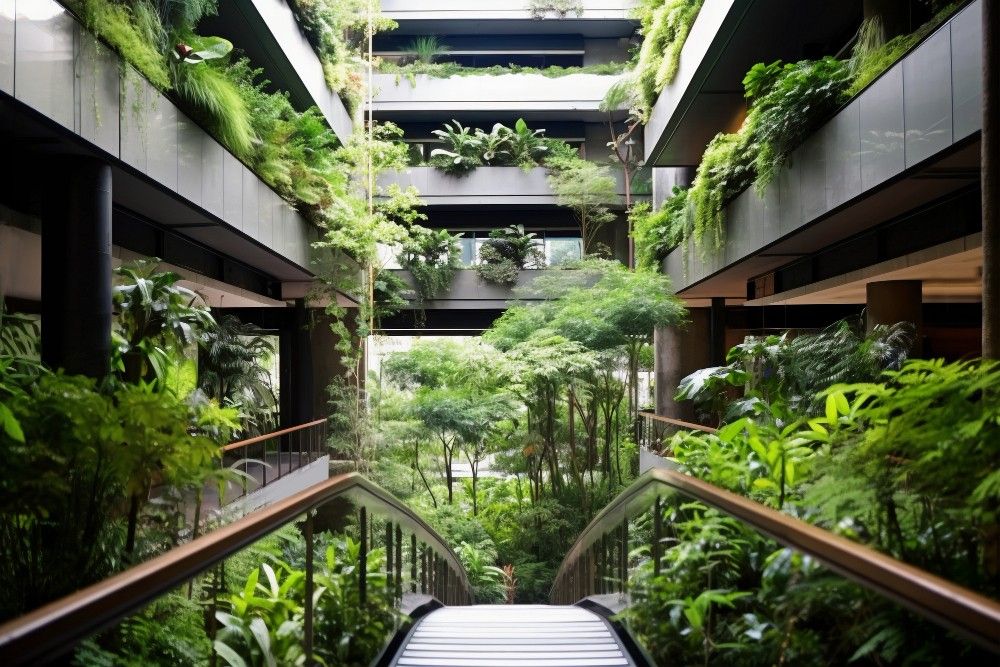
Case Study: Lodha "The Park" in Mumbai
A notable vertical garden design in Mumbai's Lodha "The Park" demonstrates how these green installations provide many benefits beyond aesthetics. The property value has increased, while improved mental well-being among residents highlights the long-term benefits of access to green spaces.
Green Roofs: Rooftop Revolution
If vertical gardens are the green warriors of walls, green roofs offer a parallel revolution above. Both extensive green roofs and intensive green roofs transform roof surfaces into mini-ecosystems. The growing medium depth varies—extensive green requiring minimal maintenance, while intensive green roof projects support diverse plant species and enhance biodiversity.
Green Roof Technology
Green roof technology has evolved significantly. Modern green roof systems include sophisticated drainage and irrigation systems, making roof gardens more sustainable. The implementation of green roofs requires careful consideration of the roof structure and growing media, but the ecological benefits make it worthwhile.Smart Green Roofs: Where Technology Meets Nature
Imagine a green roof that doesn’t just sit there growing—it’s actively monitoring itself. Enter smart green roofs, a cutting-edge innovation merging nature with technology. Equipped with sensors, these green roofs monitor soil moisture, temperature, and plant health, automatically adjusting irrigation systems to ensure the optimal environment for thriving vegetation. It’s like your roof has its own weather station, responding in real-time to the changing climate. These systems can even predict how much rainwater the plants can absorb during a storm, helping cities manage flood risks better.
Think about the long-term benefits: you save water, reduce maintenance, and create a more resilient urban ecosystem. As cities in India continue to face the challenges of urbanization, smart green roofs offer a sustainable, tech-driven solution, showing that the future of green architecture is not only natural but also intelligently connected.
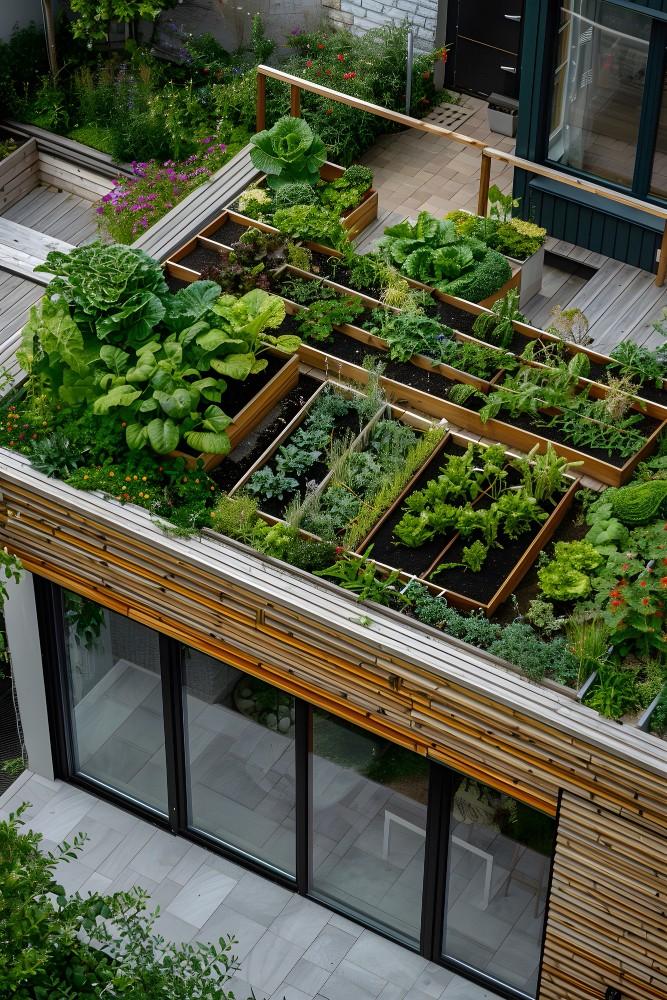
Case Study: Anna Centenary Library, Chennai
In Chennai, the Anna Centenary Library's green roof infrastructure showcases the environmental benefits of green building practices. The success of green installations here has inspired numerous green roof retrofit projects across the city, demonstrating how installing green roofs can transform urban environments.
Challenges and Opportunities
Implementing green roofs and vertical gardens faces challenges, particularly in densely populated urban areas. Building codes must adapt, and research and development continue to improve installation techniques. However, the impact of green roofs on energy savings and improved air quality makes these obstacles worth overcoming.
World Green Building Trends
World green building trends show increasing adoption of these technologies. From simple extensive green roof systems to complex vertical garden designs, each installation contributes to urban sustainability. The space available on roof surfaces and vertical surfaces in our cities offers enormous potential for green facades and living walls.
Conclusion: Greening India's Future
Green roofs and vertical gardens aren't just aesthetic additions—they're critical infrastructure for fighting pollution and climate change.
"In a future filled with buildings, let's remember to make space for the earth," says a prominent Indian architect.
Whether you're considering a modest rooftop garden or an ambitious green wall project, remember that every green installation counts. The long-term benefits—from supporting plants and animals to improving air quality—make these investments essential for our urban future. The time has come to transform our concrete jungles into living, breathing ecosystems, one roof and wall at a time.
The future of architecture is bright, but are your skills keeping pace? Kaarwan's architecture-specific courses provide you with the knowledge and tools to confidently navigate the AEC industry. Gain valuable insights, master in-demand software, and stand out with designs that impress!
FAQs
1. What is a green roof?
A green roof is a rooftop covered with vegetation, offering insulation, reducing urban heat, and promoting biodiversity.
2. What are the benefits of vertical gardens?
Vertical gardens save space, improve air quality, and offer aesthetic appeal, especially in urban areas.
3. How are green roofs different from regular roofs?
Green roofs use vegetation layers to absorb rainwater and reduce temperature, unlike conventional roofs that simply cover buildings.
4. Are vertical gardens expensive to maintain?
While initial setup may cost more, long-term maintenance costs are typically low, especially with automated watering systems.
5. Can green roofs improve energy efficiency?
Yes, they provide insulation, reducing the need for heating or cooling, thus lowering energy costs.