.jpg)
Hidden Functions in Famous Buildings: Architecture Beyond the Obvious
Every architectural masterpiece hides secrets—ingenious design details that go beyond aesthetics. From ancient structures to modern marvels, these hidden functions reveal how form and function intertwine to create brilliance.
Here are some of the world’s most famous buildings that serve more purposes than meet the eye.
1. Eiffel Tower – Paris, France
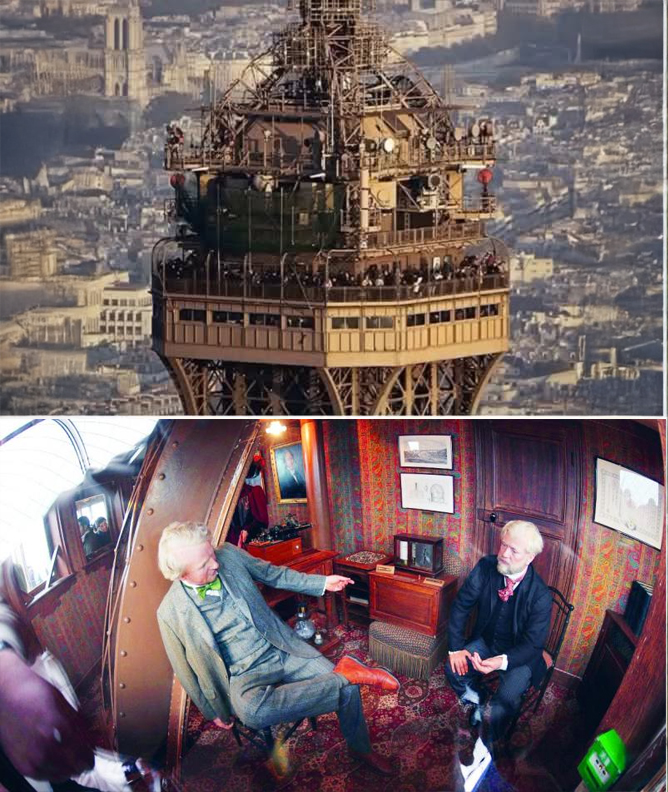
When Gustave Eiffel designed the tower in 1889, it wasn’t just a decorative icon. The Eiffel Tower doubles as a giant scientific laboratory. Inside its structure are meteorological sensors, wind gauges, and even a radio transmission antenna that have been in use since the early 20th century.
Hidden Function: The top acts as a telecommunication hub and meteorological observatory, proving that even beauty can have purpose.
2. Rashtrapati Bhavan – New Delhi, India
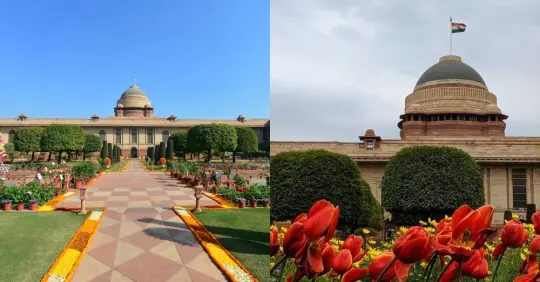
The Rashtrapati Bhavan, designed by Sir Edwin Lutyens, is not just a symbol of governance. It hides an ingenious passive cooling system designed for India’s hot climate. A series of underground tunnels and ducts circulate cool air, while the central dome helps ventilate hot air out — a perfect example of early sustainable design.
Hidden Function: The building’s climate-responsive design maintains internal comfort without heavy reliance on modern HVAC systems.
3. Kansai International Airport – Osaka, Japan
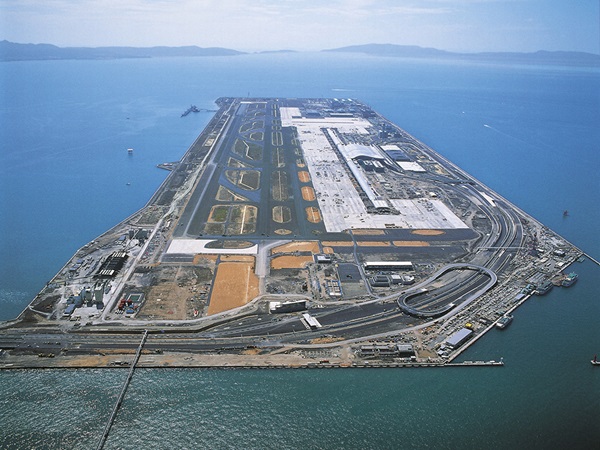
Built by Renzo Piano on an artificial island, Kansai Airport faces constant ground settlement due to the soft seabed. To counter this, the terminal is supported by 900 adjustable steel piles that can be fine-tuned as the ground shifts — a feat of structural engineering rarely visible to travellers.
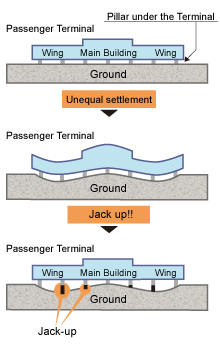
Hidden Function: The adjustable foundation system allows the airport to “float” with the settling island, ensuring stability over time.
4. Pantheon – Rome, Italy
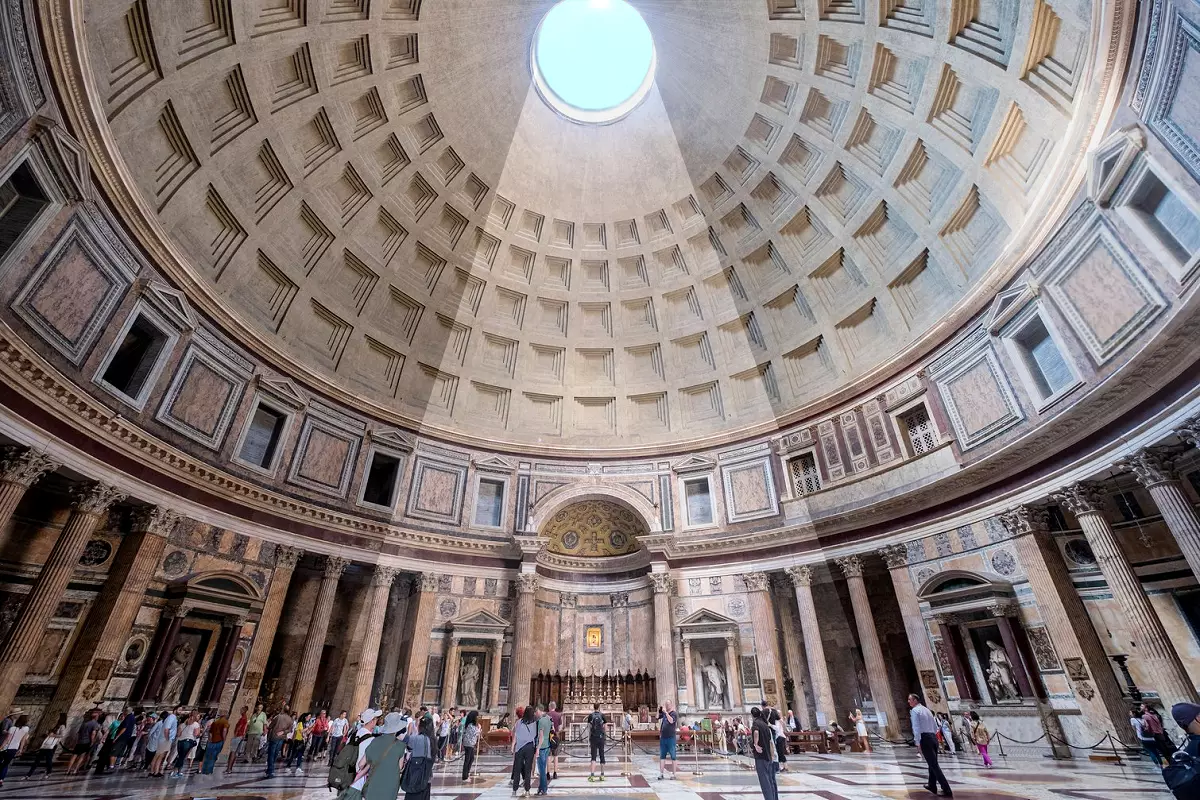
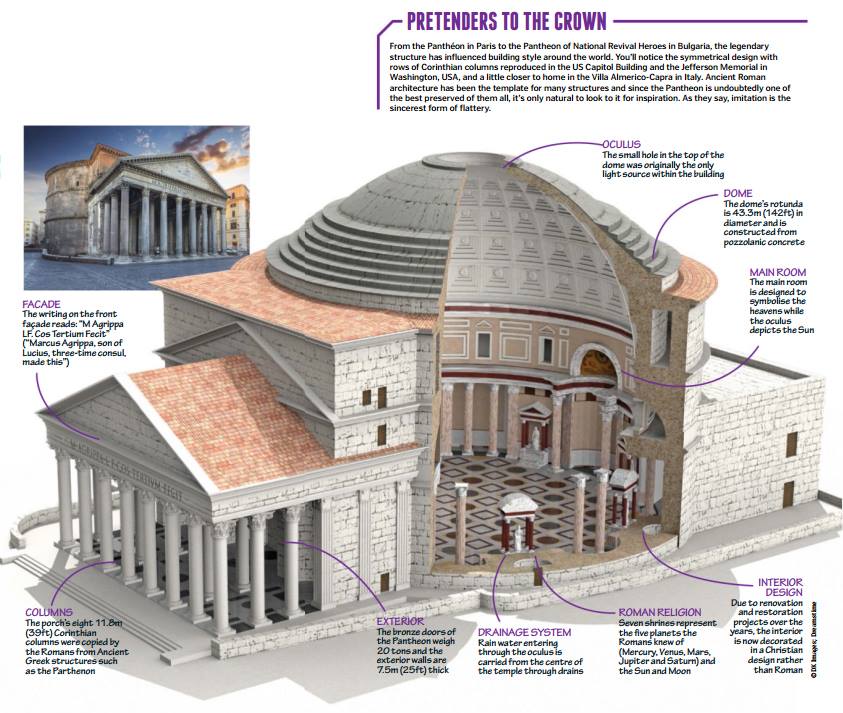
The Pantheon’s massive concrete dome remains one of Rome’s most mysterious architectural wonders. Its central oculus isn’t just for light — it’s part of a 2,000-year-old drainage system. Rainwater entering through the oculus drains through hidden holes in the marble floor, connected to ancient Roman channels still functioning today.
Hidden Function: The oculus and floor system serve as a natural light and drainage mechanism, balancing beauty with function.
5. Reichstag Dome – Berlin, Germany
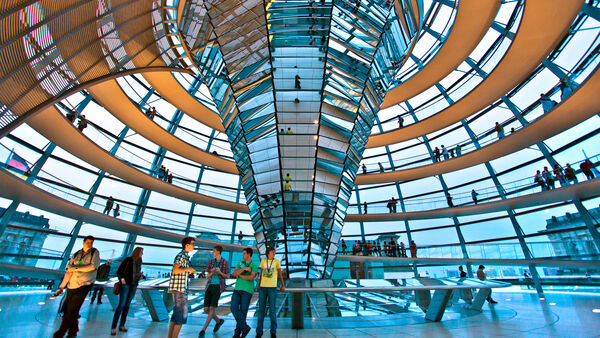
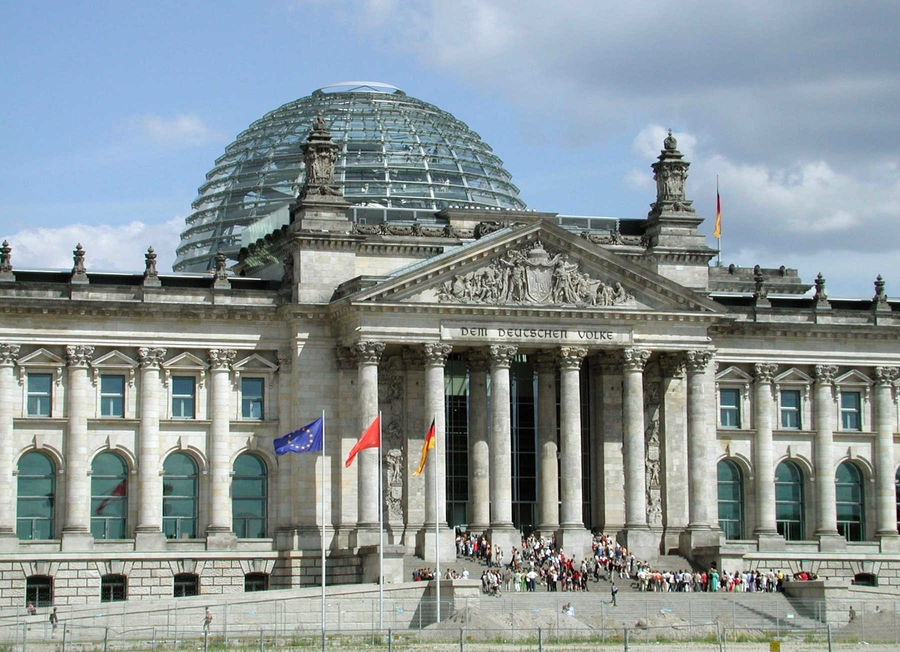
Designed by Norman Foster, the Reichstag Dome is a symbol of transparent democracy — literally and metaphorically. Beneath its glass spirals lies a natural ventilation system that directs sunlight and fresh air into the parliamentary chamber below. A mirrored cone reflects daylight downward, while vents at the dome’s top release warm air.
Hidden Function: The dome acts as a passive lighting and cooling system, reducing energy use and symbolizing openness in government.
6. Burj Khalifa – Dubai, UAE
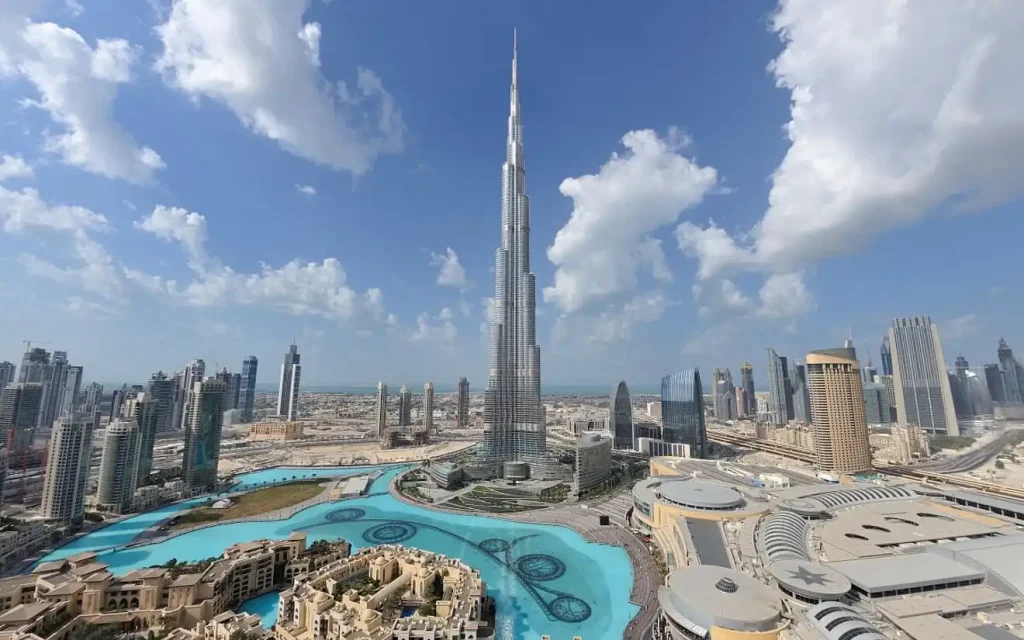
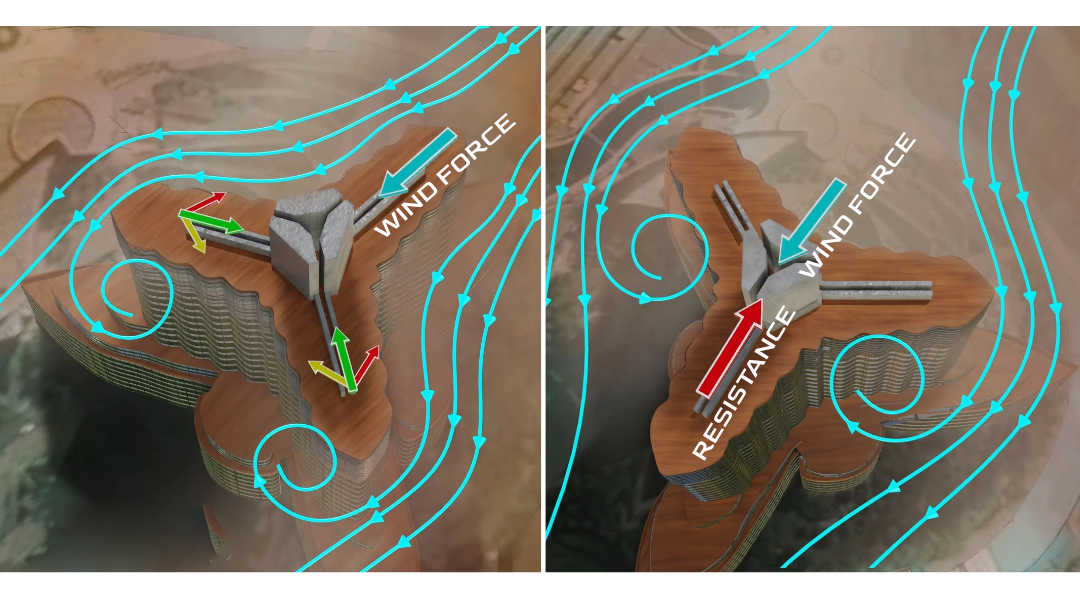
Beyond its record-breaking height, the Burj Khalifa conceals a smart water collection system. Every year, the building collects around 15 million gallons of condensed water from its cooling equipment. This water is recycled for landscaping and fountain systems surrounding the tower.
Hidden Function: The skyscraper’s condensation recovery system turns waste into a sustainable resource, proving that innovation can flow quietly behind the scenes.
Takeaway: Function Is the Invisible Beauty
From the Pantheon’s ancient drainage to the Burj Khalifa’s modern sustainability, these designs show how the true intelligence of architecture lies in the unseen. Each of these structures tells a story — one not of grand appearances, but of hidden purpose, smart thinking, and timeless design logic.