How Architecture Contributes to Disaster Resilience
Natural catastrophes frequently occur without any prior notice, resulting in destruction that alters both people's lives and the environment. The aftermath of hurricanes and earthquakes serves as a harsh reminder of how vulnerable human communities are. In this scenario, architecture goes beyond its conventional function. It transforms into a symbol of hope, a foundation for recuperation, and a structure for sustainable living. When resilience is prioritised, architecture can protect lives and rebuild communities with strength and purpose.
Designing for Safety: Working in Harmony with Nature
The first step in creating disaster-resilient architecture is to recognise the power of nature. Innovative solutions, such as base isolators and shock absorbers, are necessary for structures in areas that are prone to earthquakes. These technologies allow structures to sway without falling, which reduces the number of victims. Rising seas and hurricanes pose distinct dangers to coastal regions. Homes that are elevated and sea walls can provide essential protection. For example, Indonesia has established floating schools in areas that are at risk of flooding, which allows teaching to continue even during the monsoon season. Architects should learn to design in a way that is in harmony with nature instead of trying to dominate it.
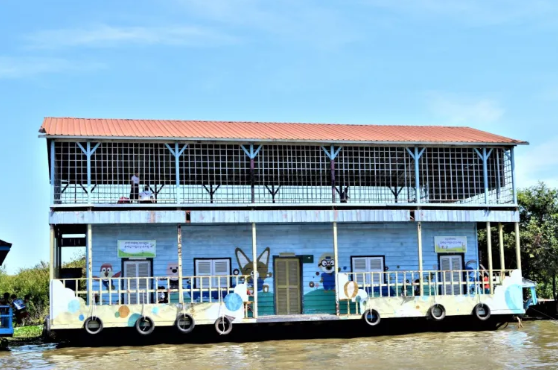
Indonesian floating schools (Img Src: Yatrika One)
Materials Matter: Constructing to Endure Challenges
The materials used in construction are very important in deciding how long a building will last. Reinforced concrete, cross-laminated timber, and advanced composites have been shown to be able to endure extreme weather conditions, such as heavy rain, strong winds, and earthquakes. Using materials that are sourced locally is typically a practical and cost-effective choice when rebuilding after a tragedy. For instance, bamboo is a renewable and flexible resource that has been used to repair homes in the Philippines after typhoons. These materials not only help to maintain resilience, but they also enable rebuilding efforts that are sustainable.
Furthermore, modular construction methods have become more popular. Disaster-stricken populations can receive fast assistance by using prefabricated components, which can be quickly assembled to form strong shelters. This method shortens the time it takes to build anything while still keeping the structure intact, which is an important factor to think about in emergencies.
Urban Planning: Creating Communities That Can Withstand Challenges
Resilient architecture must be part of a larger system. Urban planning is just as important as catastrophe preparedness. Zoning laws must require that buildings be located at a safe distance from fault lines, floodplains, and other regions that are at high risk. Wetlands and permeable pavements are examples of green infrastructure that can help absorb floodwaters and lower the temperature in cities. Microgrids and other decentralised energy solutions help keep important facilities running when there is a power outage.
The Netherlands is a good example of this integrated method, as it has a large network of dikes, levees, and floating dwellings. Their smart planning demonstrates how urban resilience can thrive alongside natural difficulties. Urban planners and architects can reduce hazards and improve recovery efforts by planning communities as interconnected ecosystems.
Technology: Creating New Solutions for Resilience
The use of technology has completely changed the way disaster-resistant buildings are designed. Sensors that are built into buildings can provide real-time information about the structural integrity of the building, which allows for timely interventions. Architects are using artificial intelligence to create simulations of catastrophic scenarios, which allows them to improve their designs for the highest level of safety. Communities are given valuable time to prepare when early warning systems are connected to automated flood barriers or reinforced shutters.
3D printing technology has shown to be a revolutionary tool in situations that occur after a tragedy. It is now possible to print entire homes in a matter of days using materials that are both durable and sustainable. In Mexico, neighbourhoods made with 3D printing have been built to give cheap homes for people who have been affected by earthquakes. These technical breakthroughs demonstrate how innovation may change the way we think about resilience and speed up recovery efforts.
Designing for Everyone: Inclusive Architecture
Resilient design must take into account the needs of a variety of people. During disasters, vulnerable groups such as children, the elderly, and people with disabilities are often at greater risk. Evacuation routes are easy to use, community shelters are welcoming, and emergency systems are user-friendly thanks to inclusive architecture.

New Orleans with elevated buildings (Img Src: State of LA- USA)
Following Hurricane Katrina, architects redesigned dwellings in New Orleans with elevated buildings that reduced the risk of flooding while also maintaining the city's cultural legacy. Community centres were created to serve as emergency shelters, which helps to create a feeling of safety and belonging. Architects build spaces where everyone can weather adversity together by prioritising inclusion.
Learning from History: Lessons in Resilience
There are many instances of architecture throughout history that have shown to be durable. Horyu-ji Temple in Japan was erected more than 1,300 years ago and has survived many earthquakes because to its use of interlocking wooden joints. In the same way, the ancient Roman aqueducts and amphitheatres are proof of the effectiveness of long-lasting construction techniques.
These long-lasting buildings might serve as a source of inspiration for contemporary architects. They are able to construct buildings that pay tribute to the past while also getting ready for the future by combining old methods with modern advancements. Maintaining a balance between tradition and progress is essential for sustained resilience.
Final Thoughts
Architecture is a useful weapon in the battle against natural calamities. It lays the groundwork for safety and recovery, from constructing buildings that can withstand earthquakes to rethinking neighbourhoods that are vulnerable to flooding. The need for resilient architecture is more critical than ever as climate change increases the frequency and severity of disasters.
Architects can design environments that safeguard lives and encourage hope by using sustainable materials, harnessing technology, and prioritising diversity. Architecture can go from being just a place to live to a symbol of resilience when it is linked with innovative urban planning and lessons learnt from the past. It is not only about surviving disasters; it is also about flourishing in the aftermath of those calamities and creating communities that are resilient and cohesive when faced with challenges.
The future of architecture is bright, but are your skills keeping pace? Kaarwan's architecture-specific courses provide you with the knowledge and tools to confidently navigate the AEC industry. Gain valuable insights, master in-demand software, and stand out with designs that impress!
FAQs
1. What is disaster-resilient architecture?
Answer: Disaster-resilient architecture involves designing buildings and communities that can withstand natural disasters like earthquakes, floods, and hurricanes, ensuring safety and quick recovery.
2. How do materials impact disaster resilience?
Answer: Using durable, sustainable materials like reinforced concrete, cross-laminated timber, and bamboo ensures buildings can endure extreme conditions and recover faster after disasters.
3. What role does urban planning play in disaster resilience?
Answer: Urban planning ensures communities are built in safe locations, incorporate green infrastructure, and have systems like microgrids to maintain functionality during emergencies.
4. How does technology improve disaster-resilient design?
Answer: Technologies like AI simulations, real-time structural sensors, and 3D printing help architects create safer, faster, and more efficient disaster-resistant buildings.
5. Why is inclusive design important in disaster resilience?
Answer: Inclusive design ensures that vulnerable groups, such as the elderly and disabled, have accessible evacuation routes, shelters, and emergency systems, making communities safer for everyone.