Climate analysis is the cornerstone of sustainable architecture, guiding designers to create eco-friendly, resource-efficient buildings that respond to local environmental conditions. By integrating climate data, architects can design structures that reduce energy consumption, maximize comfort, and minimize their impact on the planet. This article explores how climate analysis shapes sustainable architecture, using key techniques, climate-responsive strategies, and case studies.
Introduction to Climate Analysis in Architecture
Climate analysis in architecture refers to studying environmental factors such as temperature, humidity, wind, and solar radiation to optimize building performance. Eco-friendly architecture, driven by sustainability principles, relies on these data insights to design efficient buildings that require less energy for heating, cooling, and lighting, and ultimately reduce carbon footprints.
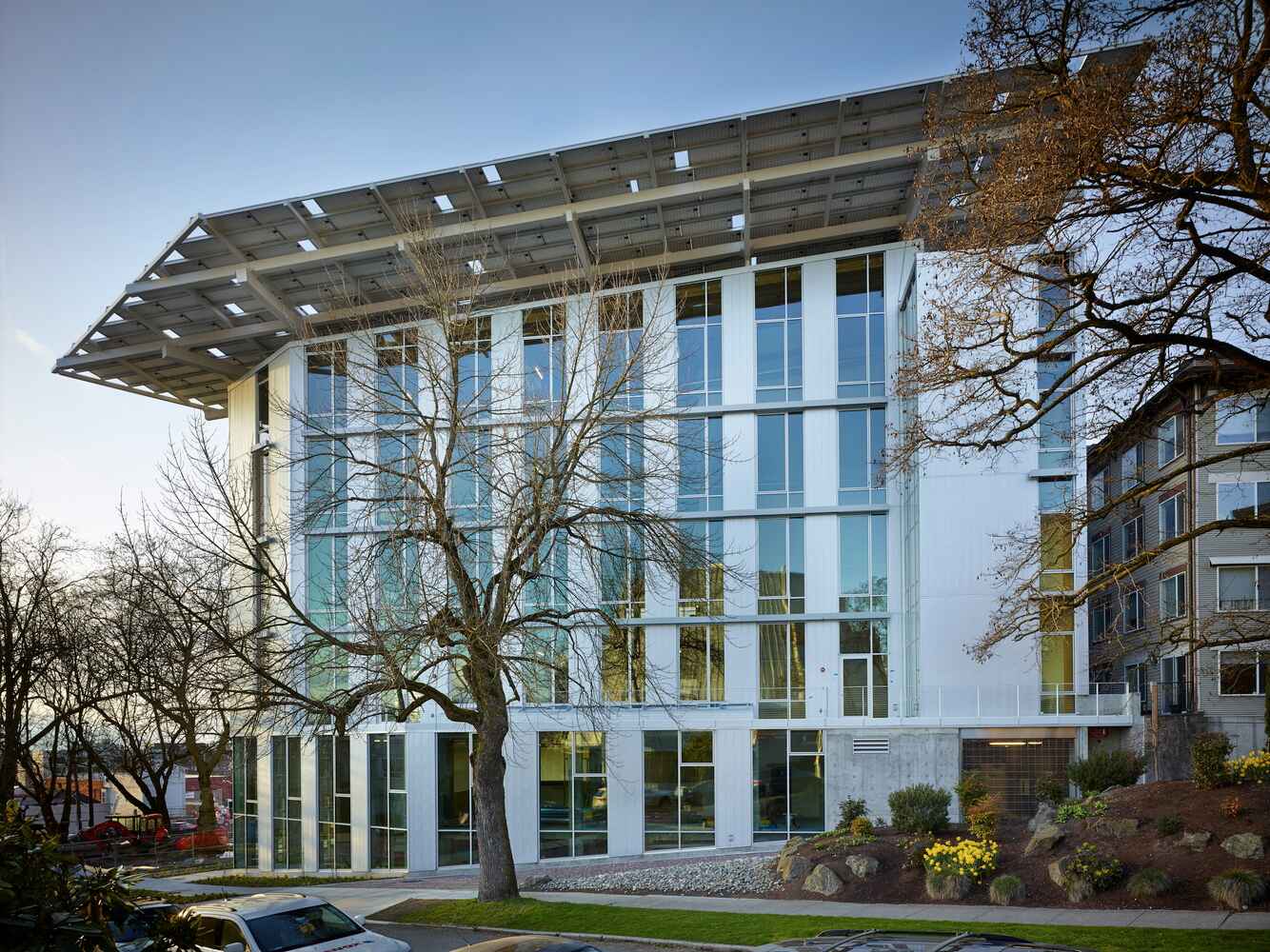
The Bullitt Center_©archdaily.com
The Importance of Climate Analysis in Sustainable Building Design
Understanding climate is essential for creating buildings that work with, rather than against, natural forces. Climate-responsive architecture minimizes resource consumption, reducing operational costs and environmental impacts. Proper climate analysis enhances occupant comfort by maintaining stable indoor temperatures, improving air quality, and creating better daylighting strategies, all of which contribute to a healthy living environment.
Key Climate Factors in Architectural Design
1. Temperature and Humidity
Climate analysis identifies how buildings should respond to local temperature variations. Humidity levels also impact building materials and occupant comfort. Designs that consider these factors can improve energy efficiency and prevent structural damage over time.
2. Sun Exposure and Solar Gain
Analyzing solar patterns helps architects determine optimal building orientation, window placement, and shading devices. Structures designed to maximize solar gain in colder climates or minimize it in warmer ones achieve better thermal performance and reduce reliance on artificial lighting.
3. Wind Patterns and Natural Ventilation
Wind studies inform the design of natural ventilation systems, reducing the need for mechanical cooling. Effective climate analysis enables architects to harness natural breezes, maintaining airflow in warm climates and blocking wind in colder regions.
Tools and Techniques for Climate Analysis in Architecture
Climate analysis uses advanced software like Climate Consultant, Ladybug, and Honeybee (for Rhino and Grasshopper), allowing architects to visualize and analyze local environmental data. These tools provide precise insights into factors like temperature, solar radiation, and wind flow, enabling the design of climate-responsive structures.
Traditional methods like sun path charts, wind rose diagrams, and psychrometric charts are also valuable for understanding climate influences on architectural design.
Incorporating Climate Data in Architectural Planning
1. Site Analysis and Positioning
Climate-based site analysis enables architects to determine the best location and orientation for a building, which maximizes energy efficiency by aligning with natural elements like sunlight and wind.
2. Building Orientation and Massing
Positioning the building’s mass to align with the sun’s path can significantly improve thermal comfort. Strategic orientation reduces heat gain in summer and maximizes it in winter, contributing to passive heating and cooling.
Passive Design Strategies and Climate Adaptation
Passive design leverages natural elements to heat, cool, and light buildings. For instance, overhangs can prevent excess solar gain in summer while allowing sunlight in winter. Climate adaptation through passive design is an effective strategy for creating sustainable, low-energy buildings.
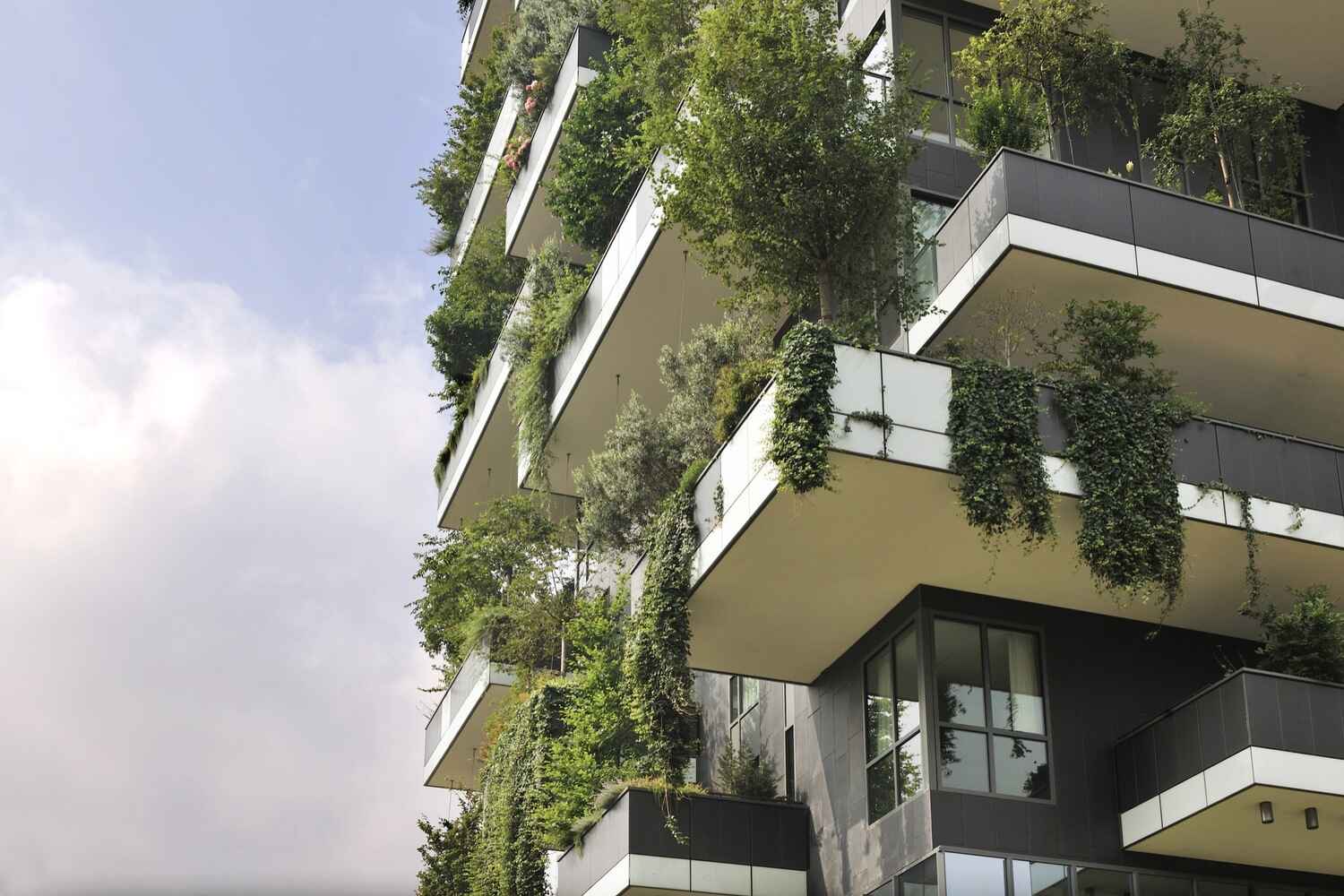
Bosco Verticale_©archdaily.com
Role of Building Materials in Eco-Friendly Architecture
Choosing Climate-Appropriate Materials
Selecting materials that respond well to local climate conditions is essential. For example, thermal mass materials like concrete can absorb and store heat, making them ideal for cold climates, while lightweight materials are better for warm areas.
Benefits of Sustainable and Recycled Materials
Recycled materials reduce resource consumption and waste. Using locally sourced and renewable materials lowers the environmental footprint and enhances a building’s sustainability.
Climate Zones and Their Influence on Design Choices
Architects design differently for various climate zones, from tropical to arid to temperate. Each zone’s unique conditions dictate the choice of materials, form, and energy strategies. Buildings in cold regions may focus on insulation, while those in hot climates emphasize ventilation and shading.
Renewable Energy and Resource Efficiency
Climate-responsive architecture often integrates renewable energy sources like solar, wind, or geothermal power. Water conservation features like rainwater harvesting systems further enhance resource efficiency, contributing to an eco-friendly building design.
Case Studies of Climate-Responsive Eco-Friendly Architecture
Several notable projects demonstrate successful climate-responsive design. For example, Bosco Verticale in Milan uses greenery on facades for natural insulation and air purification. Such case studies show how climate-responsive architecture benefits both the environment and the occupants.
Climate Analysis for Urban Planning and Large-Scale Projects
In urban planning, climate analysis addresses challenges like urban heat islands, air quality, and energy demand. Designing green spaces, positioning buildings to facilitate airflow, and using reflective materials can mitigate the urban heat effect.
Using Climate Data for Retrofitting Existing Buildings
Climate analysis also informs the retrofitting of older buildings, making them more energy-efficient. Upgrading insulation, adding shading elements, and incorporating natural ventilation systems can transform aging buildings into sustainable structures.
Challenges in Implementing Climate-Based Design
While climate-responsive architecture offers many benefits, it presents challenges, such as the costs associated with advanced materials and technology. Balancing aesthetic goals with functional requirements can also be complex in climate-based design.
Future of Climate-Responsive Architecture and Technology
The future of climate-responsive architecture will likely involve more sophisticated data analytics, artificial intelligence, and machine learning. These tools can predict climate impacts and simulate building performance, improving the effectiveness of eco-friendly design strategies.
Conclusion
Climate analysis is transforming architecture by creating buildings that respect their environment and prioritize sustainability. As climate-responsive design evolves, its role in sustainable architecture will only grow, shaping a more eco-friendly and resilient future for our built environments.
The future of architecture is bright, but are your skills keeping pace? Kaarwan's architecture-specific courses provide you with the knowledge and tools to confidently navigate the AEC industry. Gain valuable insights, master in-demand software, and stand out with designs that impress!
FAQs
1. What is climate analysis in architecture?
Climate analysis studies environmental factors to guide building design for efficiency, comfort, and sustainability.
2. Why is climate analysis important for eco-friendly architecture?
It enables architects to design buildings that use natural resources efficiently, reducing energy needs and environmental impact.
3. Which tools are used for climate analysis in architecture?
Software like Climate Consultant, Ladybug, and Honeybee are commonly used, along with traditional methods like sun path and wind rose diagrams.
4. How do passive design strategies contribute to sustainability?
Passive strategies harness natural light, wind, and heat, reducing reliance on artificial energy sources and cutting down energy costs.
5. What challenges come with climate-responsive architecture?
High costs, technical complexity, and balancing aesthetics with functionality can make implementation challenging.
6. How does climate analysis apply to urban planning?
It helps address urban challenges like heat islands and energy consumption by optimizing building placement and materials.