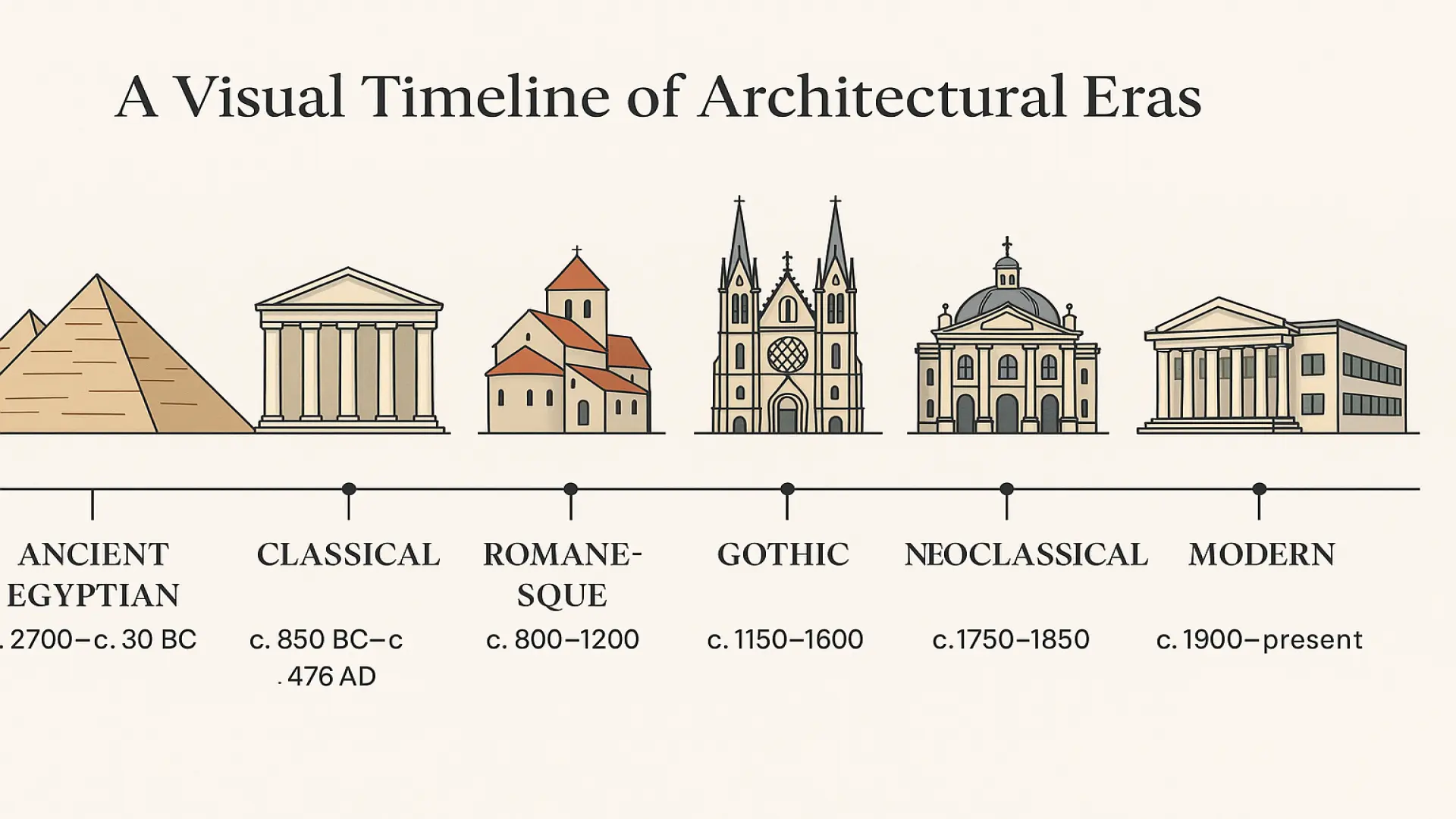
How to Recognize a Building’s Era Just by Looking at It
Every era leaves its signature on buildings — in shape, material, and detail.Learn to spot these architectural clues and read the story of a building’s time like an architect.
1. Classical Era (Ancient to 18th Century)
Key Features:
- Symmetrical facades
- Columns, arches, and domes
- Decorative sculptures and reliefs
- Stone or marble as the primary material
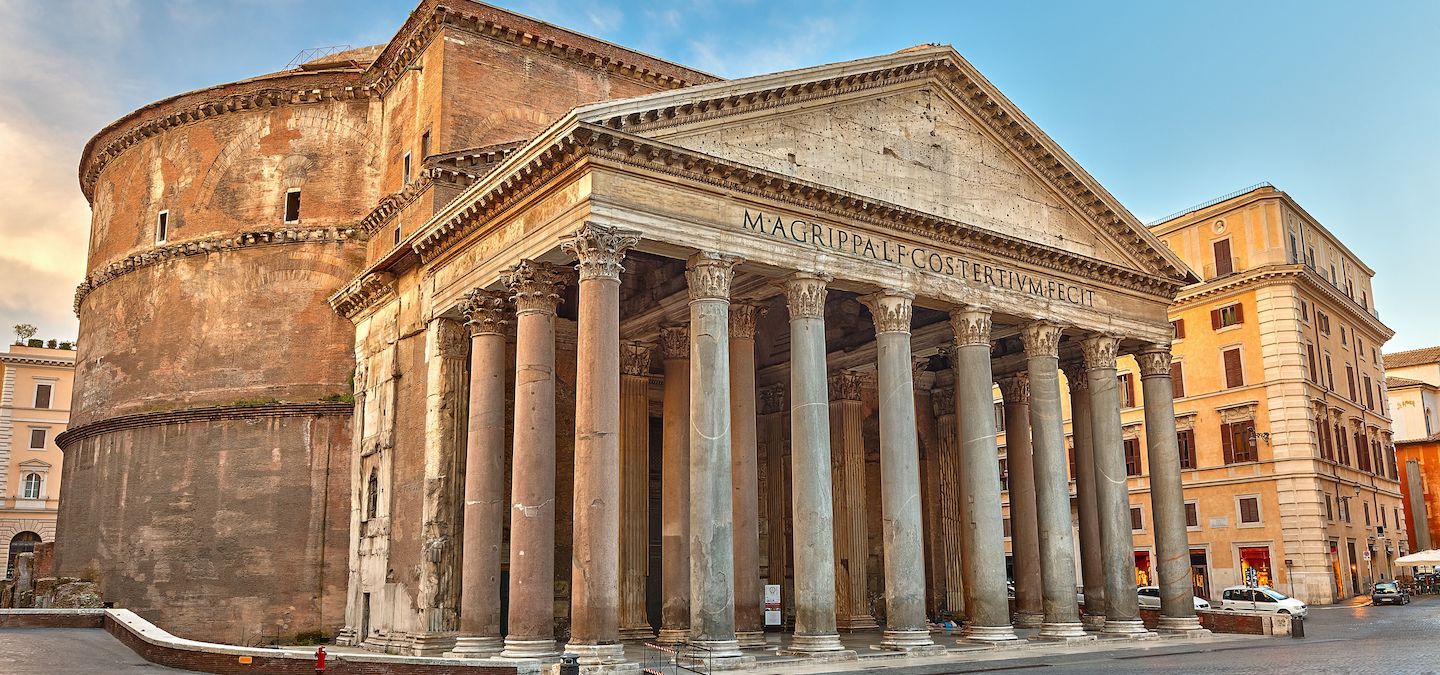
Example: Pantheon, Rome
Tip: Think grandeur, order, and proportion. Buildings from this era emphasize balance, monumental scale, and timeless elegance.
2. Colonial / Pre-Modern (18th–19th Century)
Key Features:
- Balanced windows and doors
- Brick or plastered walls
- Shutters, verandahs, and pitched roofs
- European stylistic influences in colonies

Example: Rashtrapati Bhavan, New Delhi
Tip: Look for a stately and formal vibe, often with imperial touches and ceremonial scale.
3. Modernist Era (Early–Mid 20th Century)
Key Features:
- Clean, boxy forms
- Flat roofs, open plans
- Glass, steel, and concrete construction
- Minimal ornamentation
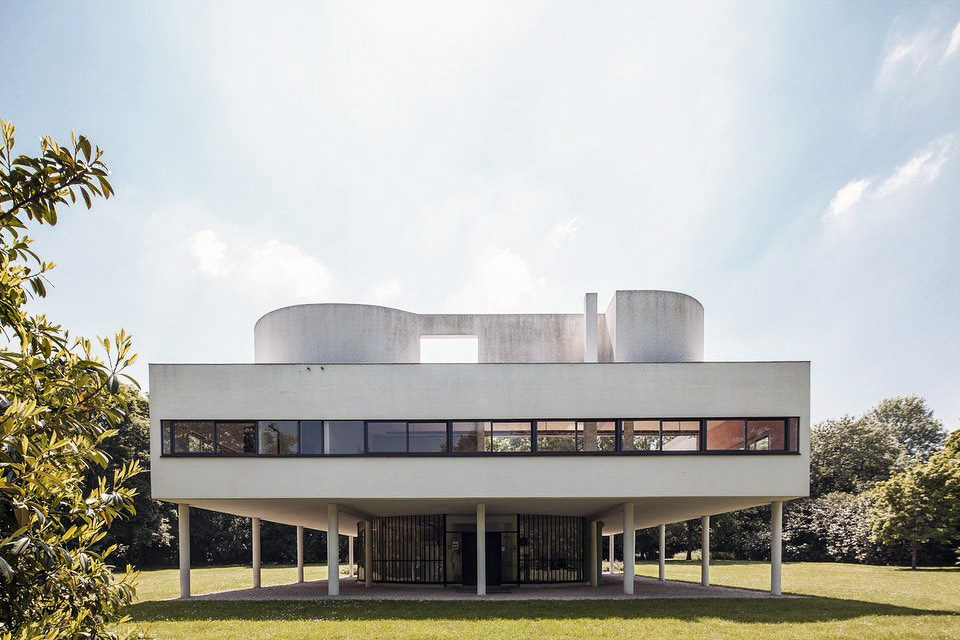
Example: Villa Savoye, France
Tip: Think “less is more”. Modernist buildings focus on function, simplicity, and honest expression of materials.
4. Brutalism & Late Modern (1950s–1970s)
Key Features:
- Massive concrete blocks
- Exposed structural elements
- Bold geometric shapes
- Heavy, raw appearance
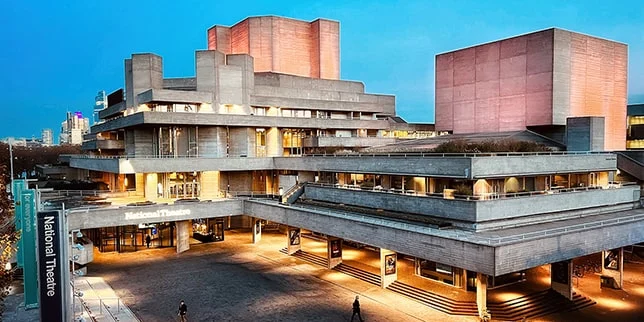
Example: National Theatre, London
Tip: This era emphasizes power, strength, and raw honesty in architecture.
5. Postmodern & High-Tech (1970s–1990s)
Key Features:
- Playful forms and bright colors
- Classical details reinterpreted
- Exposed pipes, glass, and metal
- Bold and expressive compositions
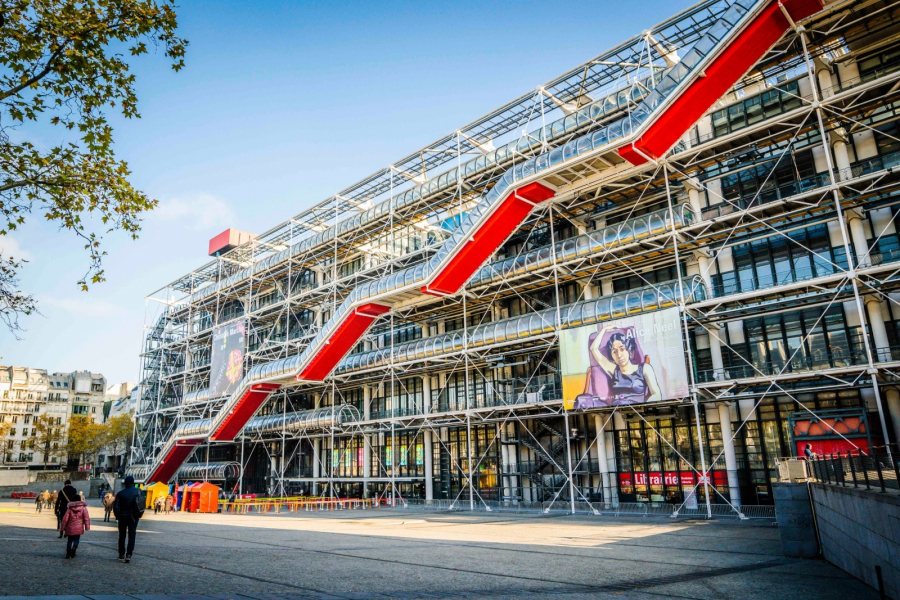
Example: Centre Pompidou, Paris
Tip: Look for rebellion against minimalism, with buildings that communicate personality and humor.
6. Contemporary Era (2000s–Now)
Key Features:
- Fluid, organic, or irregular forms
- Innovative materials and technology
- Sustainability-driven designs
- Glass facades with greenery integration
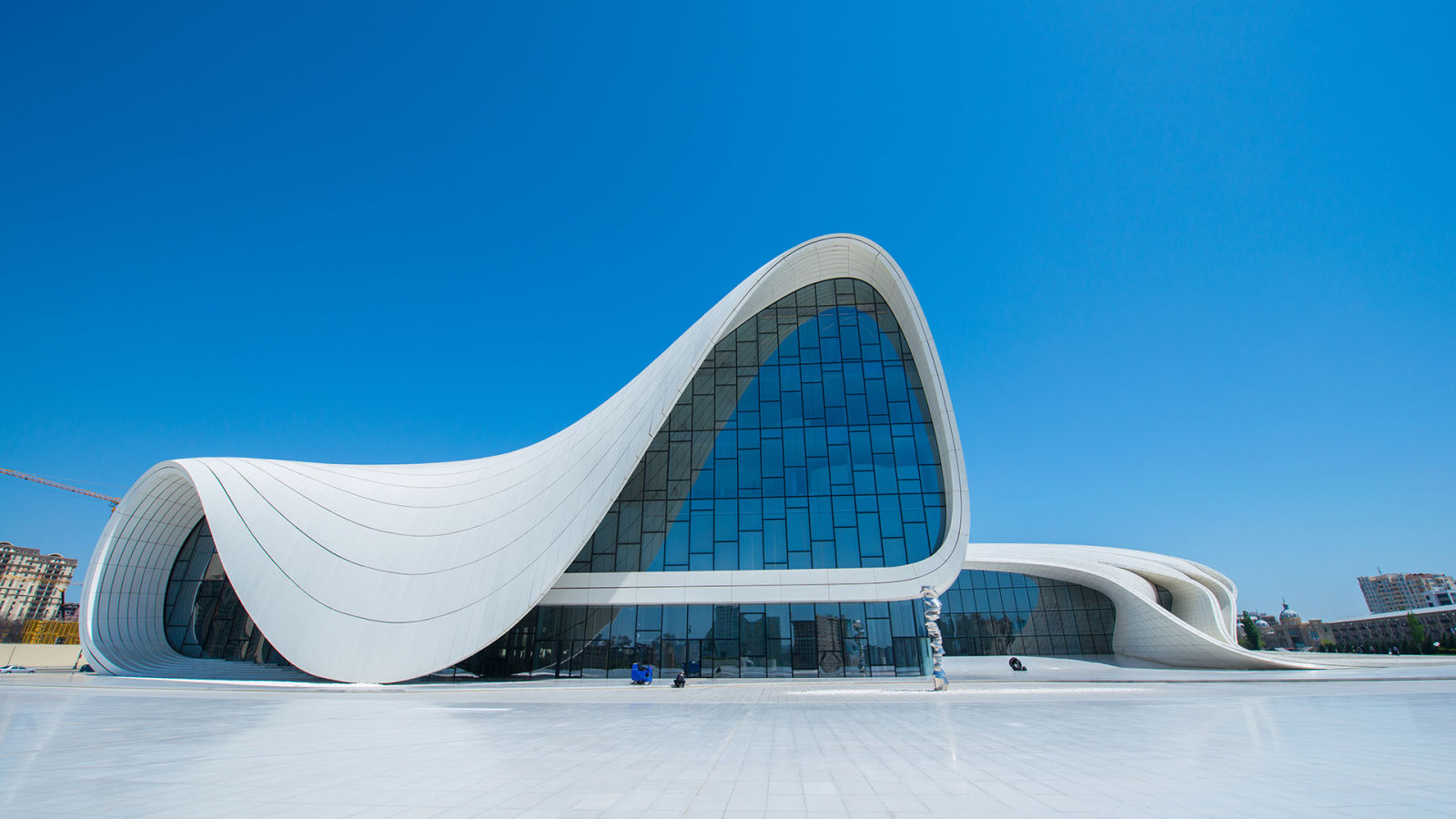
Example: Heydar Aliyev Center, Baku
Tip: Focus on innovation and experimentation, where architecture often blurs the lines between art, engineering, and environment.
Quick Guide to Spot an Era Faster
- Shape: Reveals design trends and structural possibilities of the time
- Material: Indicates technology, resources, and construction methods
- Details: Reflect culture, taste, and aesthetic priorities
- Function: Shows how the building adapts to its era’s lifestyle