The Mughal Empire profoundly shaped India's history, leaving behind a legacy of architectural marvels that continue to inspire. Spanning the 16th to 18th centuries, Mughal architecture blended Persian, Indian, and Islamic elements, resulting in structures renowned for their beauty, precision, and innovation. These monuments serve not just as historical markers but as symbols of artistic excellence and cultural synthesis.
Historical Background of Mughal Architecture
The architectural journey of the Mughal Empire began with Babur, who brought Persian influences to India. Humayun’s reign further cemented this tradition with the construction of Humayun’s Tomb, a precursor to the iconic Taj Mahal. Akbar, known for his eclecticism, integrated Hindu and Islamic styles, as seen in Fatehpur Sikri. Under Shah Jahan, the golden age of Mughal architecture flourished, characterized by intricate designs and lavish use of marble.
Key Characteristics of Mughal Architecture
Mughal architecture is defined by its focus on symmetry, grandeur, and meticulous attention to detail.
- Symmetry and Proportion:The layouts of Mughal structures reflect perfect harmony, with symmetrical gardens, minarets, and domes.
- Domes, Arches, and Minarets:These features became hallmarks of Mughal architecture, symbolizing power and divine connection.
- Integration with Nature:Gardens played a central role, embodying the Charbagh concept of paradise on earth.
- Exquisite Ornamentation:The use of calligraphy, floral motifs, and intricate carvings highlighted the artistic mastery of the period.
Iconic Examples of Mughal Architecture
Taj Mahal: A Monument of Love
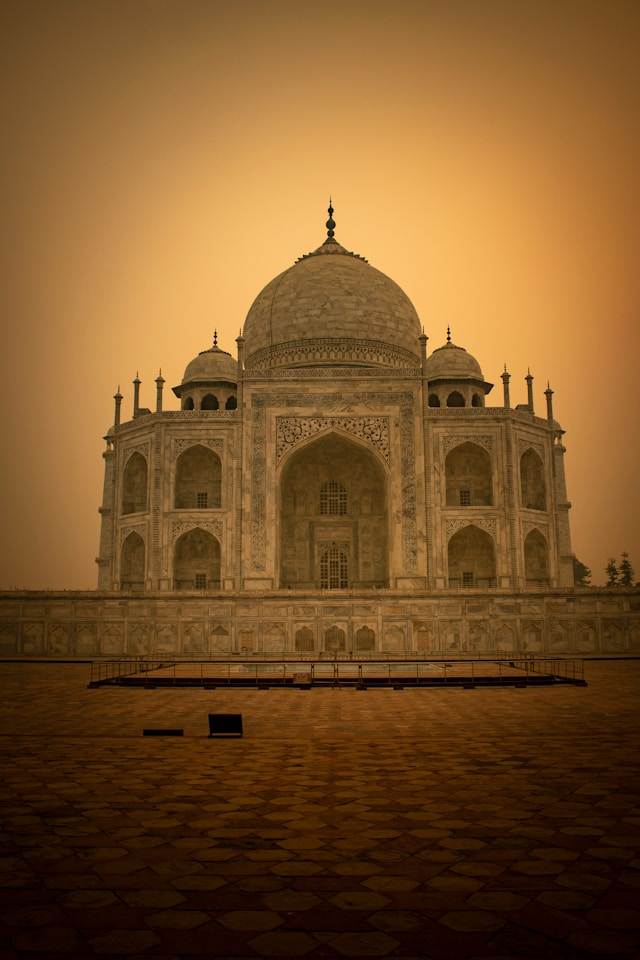
Built by Shah Jahan in memory of his wife Mumtaz Mahal, the Taj Mahal is a UNESCO World Heritage Site and one of the Seven Wonders of the World. Constructed with white marble, it features intricate carvings, pietra dura inlays, and a symmetrical Charbagh garden. The Taj Mahal’s timeless beauty reflects not only the depth of Shah Jahan’s love but also the artistic pinnacle of Mughal design.
The Red Fort: A Symbol of Power
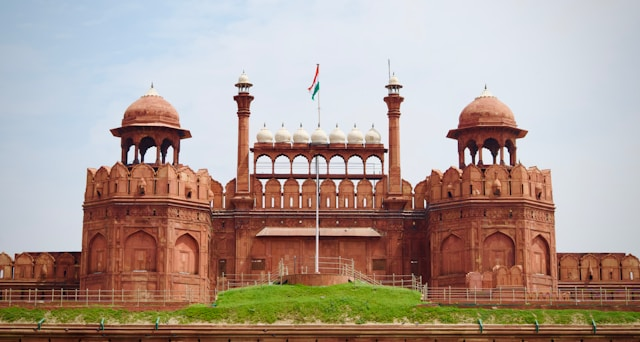
Constructed by Shah Jahan in Delhi, the Red Fort was both a palace and a military stronghold. Its massive sandstone walls enclose a series of exquisite buildings, including the Diwan-i-Aam (Hall of Public Audience) and Diwan-i-Khas (Hall of Private Audience). The fort’s layout reflects the Mughal emphasis on grandeur and functionality.
Fatehpur Sikri: A City of Dreams
Commissioned by Akbar, Fatehpur Sikri served as the Mughal capital for 14 years. The city’s architecture combines Persian, Islamic, and Hindu elements. Key landmarks include the Buland Darwaza, Jama Masjid, and the Panch Mahal. Despite its eventual abandonment due to water scarcity, Fatehpur Sikri remains a masterpiece of urban planning and architectural ingenuity.
Agra Fort: The Defensive Marvel
Located near the Taj Mahal, Agra Fort was a residence for Mughal emperors and a strategic fortification. The fort features grand gateways, marble palaces, and intricate courtyards. Its dual purpose of defense and luxury highlights the multifaceted nature of Mughal architecture.
Jama Masjid: A Religious Icon
Built by Shah Jahan in Delhi, Jama Masjid is one of India’s largest mosques. It showcases red sandstone and white marble, along with impressive domes and minarets. The mosque’s vast courtyard can accommodate thousands, emphasizing its role as a community hub.
Gardens in Mughal Architecture
Gardens were integral to Mughal design, embodying the Charbagh (four-part garden) layout. These gardens, often featuring fountains and water channels, symbolized paradise and provided tranquil settings for reflection. Examples include the Mehtab Bagh near the Taj Mahal and the Shalimar Bagh in Kashmir.
Cultural and Religious Influences
Mughal architecture stands as a testament to cultural fusion. Persian aesthetics were blended with local Indian traditions, creating a unique style. Structures like Akbar’s tomb in Sikandra exemplify this harmony, incorporating motifs and techniques from various cultures.
Impact of Mughal Architecture on Modern India
Mughal architecture continues to inspire contemporary Indian design. Its emphasis on symmetry, integration with nature, and intricate details influence modern public buildings and homes. Moreover, efforts to preserve these monuments ensure their legacy endures for future generations.
Conclusion
The Mughal Empire’s architectural legacy reflects a blend of artistry, cultural synthesis, and innovative design. From the breathtaking Taj Mahal to the strategic Agra Fort, these monuments continue to captivate and inspire. Preserving this heritage is essential, not just for its historical value, but for the lessons it offers in design and craftsmanship.
The future of architecture is bright, but are your skills keeping pace? Kaarwan's architecture-specific courses provide you with the knowledge and tools to confidently navigate the AEC industry. Gain valuable insights, master in-demand software, and stand out with designs that impress!
FAQs
1. What are the main characteristics of Mughal architecture?
Mughal architecture is defined by symmetry, domes, arches, minarets, and the use of gardens, as well as intricate ornamentation.
2. Why is the Taj Mahal significant?
The Taj Mahal symbolizes eternal love and showcases the artistic pinnacle of Mughal design.
3. How did Persian influences shape Mughal designs?
Persian elements, such as Charbagh gardens and decorative motifs, were seamlessly integrated into Mughal structures.
4. Which Mughal structures are UNESCO World Heritage sites?
Examples include the Taj Mahal, Red Fort, Fatehpur Sikri, and Humayun’s Tomb.
5. What materials were used in Mughal monuments?
Mughal structures often used red sandstone, white marble, and semi-precious stones.
6. How does Mughal architecture influence modern buildings?
Its principles of symmetry, detailed craftsmanship, and garden integration inspire contemporary architecture.