If You’re Starting a New Project in Jan 2026, Read This
January projects look calm on paper. In reality, they decide whether your entire year runs smoothly or turns into deadline damage control. With evolving regulations, tech shifts, and tighter timelines, projects starting in Jan 2026 need a smarter setup than ever before.
Before you open a fresh CAD file or schedule your first client call, here’s what you absolutely need to get right.
1. Freeze the Brief Earlier Than You Think
In 2026, clients arrive more informed but also more indecisive. Pinterest boards are endless, budgets are tighter, and timelines are non-negotiable.
What works now is a frozen brief document that clearly defines:
- Scope of work
- Deliverables stage-wise
- Budget range with flexibility limits
- Approval timelines
Projects that skip this often face scope creep before schematic design even ends.
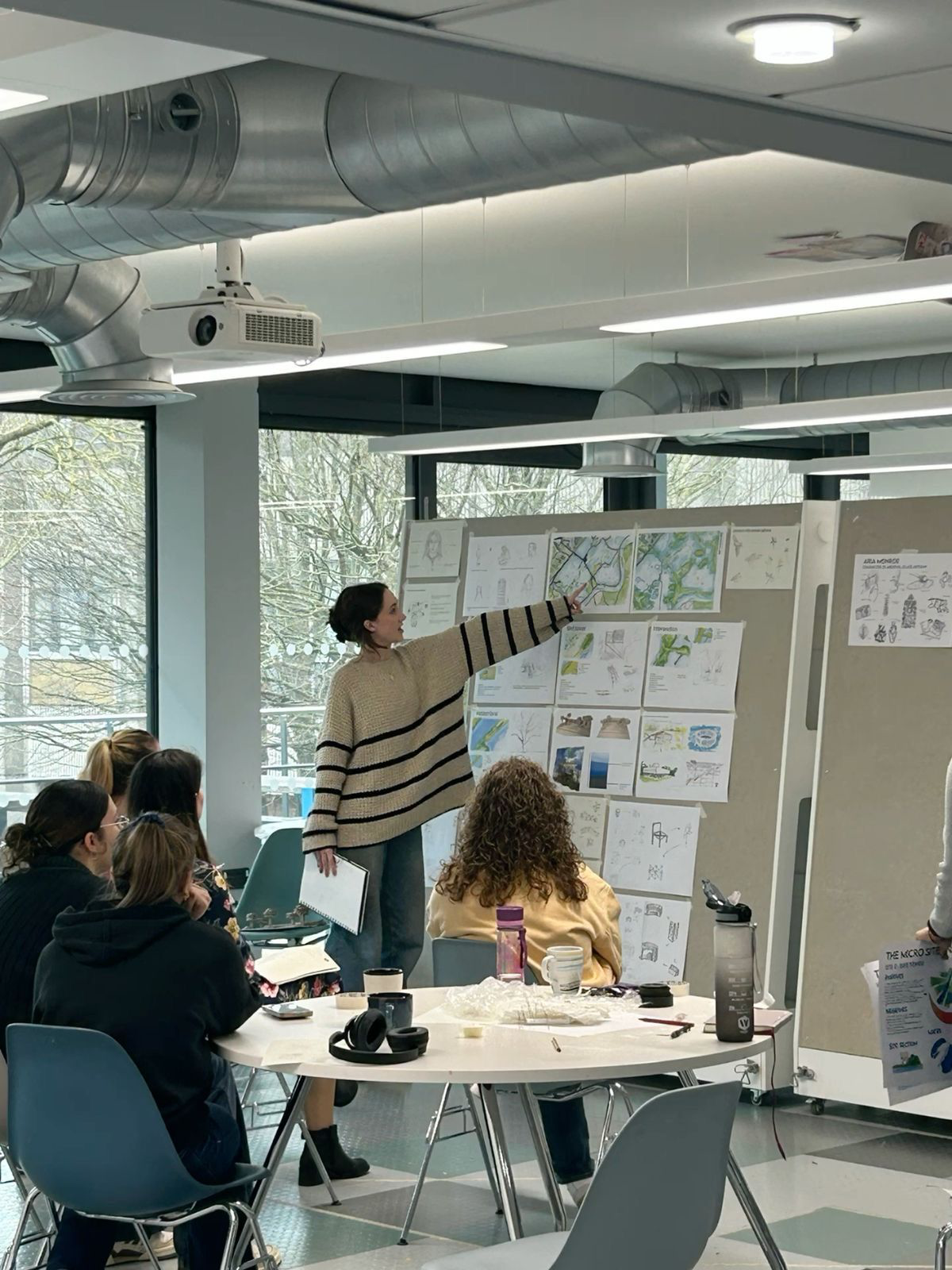
2. Start with Regulations, Not Design
Many projects still fail approvals because bye-laws, fire norms, or sustainability requirements are checked too late.
For Jan 2026 projects, always begin with:
- Updated local building bye-laws
- Fire NOC requirements
- Parking and accessibility norms
- Sustainability mandates where applicable
Design freedom comes after compliance, not before it.
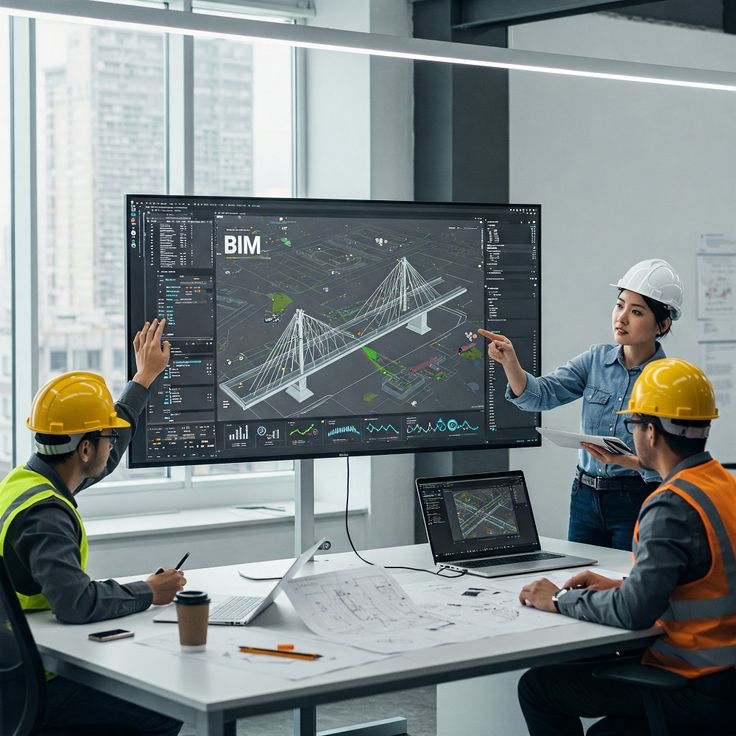
3. BIM Is No Longer Optional
By 2026, most medium-to-large firms expect Revit or BIM-based workflows, even for smaller projects.
Starting a project without BIM today leads to:
- Coordination clashes
- Late-stage drawing revisions
- Poor consultant integration
Starting with BIM means:
- Cleaner working drawings
- Better BOQs
- Fewer site surprises

4. Lock Consultants Early
Waiting to onboard structural, MEP, or landscape consultants is one of the costliest mistakes.
Early coordination helps you:
- Design realistic slabs and services zones
- Avoid reworking ceiling heights
- Reduce site-level conflicts
In 2026, consultants are booked months in advance. Delay equals compromise.
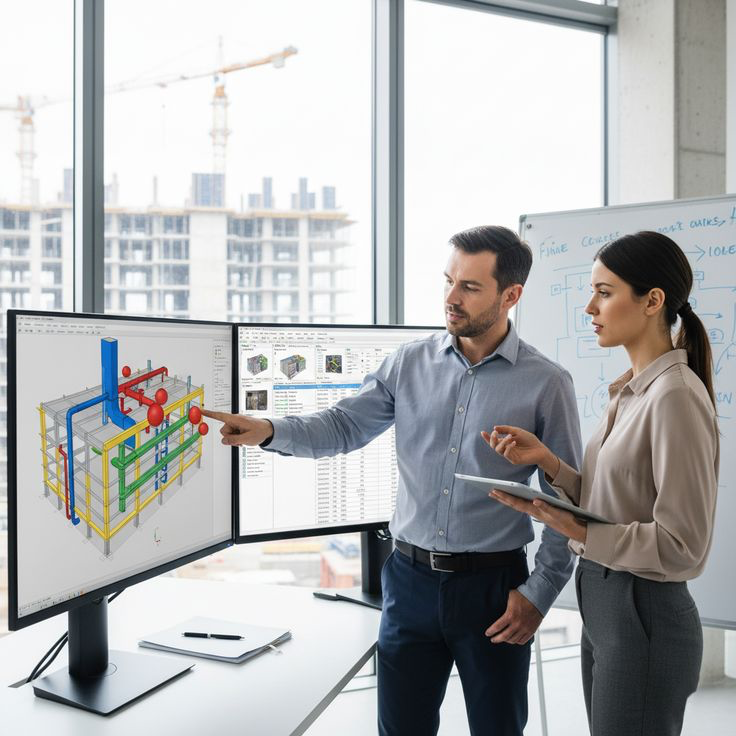
5. Plan for Execution, Not Just Approval
A project approved is not a project ready to build.
Before moving ahead, ensure:
- Material availability is checked
- Local labor skills are understood
- Construction methods match site reality
Designs that ignore execution constraints often look great on screen and fail on site.

6. Use Tech to Save Time, Not Add Complexity
AI tools, parametric workflows, and automation are everywhere in 2026. But using too many tools without clarity slows teams down.
Choose tools that:
- Integrate with your workflow
- Reduce repetitive drafting
- Improve coordination, not confusion
Technology should support decisions, not distract from them.
7. Set the Tone for the Entire Year
Projects that start in January often:
- Set revenue patterns
- Define team workload
- Shape client referrals
A rushed January usually leads to a reactive year. A planned January creates momentum.
What This Means for Young Architects & Designers
Firms now look for professionals who:
- Understand regulations
- Work confidently in BIM
- Think about execution, not just concepts
These are skills rarely taught deeply in college, but heavily tested in real projects.
Build These Skills with Kaarwan
Kaarwan’s professional architecture courses focus on real project workflows—from regulations and BIM to working drawings and site coordination.
👉 Explore Kaarwan’s industry-led architecture programs
Read more blogs on project planning, BIM, and execution-ready design
Because in 2026, good design starts with smart preparation.