Lighting is more than just an aesthetic choice; it’s a crucial component of our living spaces, deeply intertwined with our mood, productivity, and energy. As someone passionate about architecture, I’ve realized how combining smart lighting and vastu considerations can elevate our designs into harmonious masterpieces. Whether you're a student exploring the basics of vastu architecture or a professional refining your skills, understanding lighting's role is a must. Let me walk you through the art of vastu-friendly lighting and how it can transform homes into balanced sanctuaries.
The Science Behind Vastu and Lighting
Vastu Shastra, the ancient Indian science of architecture, offers guidelines to design spaces that foster positive energy. Lighting, when aligned with these principles, can amplify the flow of energy in any space. The placement, intensity, and type of light can influence the harmony of a home.
For instance:
- North-east corners represent water elements and are ideal for soft, natural lighting.
- The south-east direction symbolizes fire and thrives under warm, artificial lighting.
- Avoid harsh, flickering lights in areas meant for relaxation, as they can disturb the energy.
Integrating these vastu principles into smart lighting and vastu considerations not only enhances aesthetics but also ensures functional harmony.
Smart Lighting and Its Role in Vastu Architecture
What is Smart Lighting?
Smart lighting systems use technology to control lighting intensity, color, and timing. With features like automation and voice control, they provide unparalleled convenience while helping maintain vastu-compliant designs.
Why Combine Smart Lighting with Vastu?
Combining smart technology with vastu allows us to:
- Customize Lighting for Different Directions: Adjust lighting to align with vastu’s directional principles.
- Improve Energy Efficiency: Use automation to minimize energy wastage.
- Enhance Mood and Productivity: Tailor lighting for specific activities or times of the day.
For example, using warm-toned lights in the south-east direction can create a cozy ambiance that aligns with vastu’s fire element.
Practical Tips for Vastu-Friendly Lighting
1. Understand the Directions
Each direction holds specific significance in vastu:
- North-East (Water Element): Ideal for cool, soft lighting that mimics natural daylight.
- South-East (Fire Element): Use warm, bright lights like pendant or ceiling lights.
- West (Metal Element): Focus on balanced lighting that isn’t too overpowering.
- South-West (Earth Element): Incorporate subtle and grounding lights like table lamps.
2. Leverage Natural Light
Natural light is the cornerstone of vastu. Here’s how to maximize it:
- Use light-colored curtains or blinds in rooms facing north or east.
- Incorporate skylights or large windows to invite sunlight.
- Avoid blocking natural light with heavy furniture or decor.
3. Choose the Right Artificial Lights
When selecting artificial lighting, consider:
- LED Lights: Eco-friendly and customizable, perfect for aligning with vastu principles.
- Dimmable Lights: Great for controlling intensity and creating the right mood.
- Color Temperature: Stick to warm tones (2700K to 3000K) for bedrooms and cool tones (4000K to 5000K) for study areas.
4. Avoid Vastu Don’ts
- Don’t place mirrors in spaces with dim lighting; they can amplify negative energy.
- Avoid red lights in the north-east direction.
- Never install flickering or damaged bulbs, as they disrupt the flow of energy.
_1737996415569.jpg)
Lighting Ideas for Vastu-Compliant Spaces
1. Living Room
- According to Vastu Use a central chandelier to radiate positive energy evenly.
- Add ambient lighting in corners to eliminate dark spots.
2. Bedroom
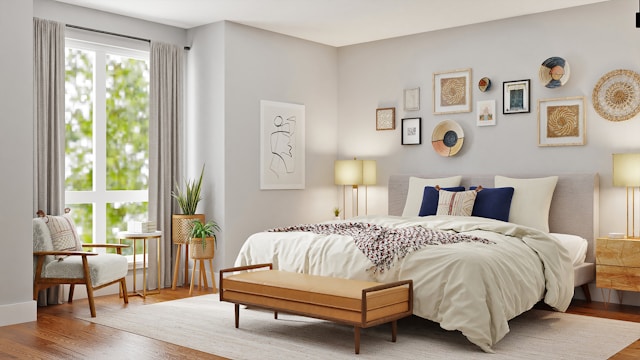
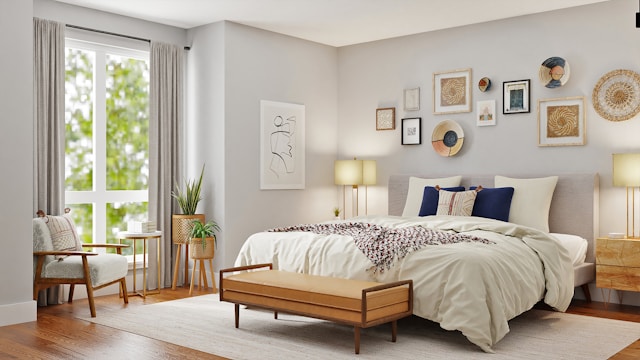
- Incorporate soft bedside lamps for a calming atmosphere.
- Avoid placing lights directly above the bed to prevent disturbances.
3. Kitchen
- Use bright, task-focused lighting in the south-east direction.
- Under-cabinet lighting enhances functionality and aligns with vastu’s fire element.
4. Study Room
- Focus on cool, bright lighting to improve concentration.
- Place lamps on the south or west side of the desk.
Bridging Tradition and Modernity
As architects, blending tradition with innovation is our forte. While vastu provides the foundational principles, smart lighting technology allows us to adapt these to modern spaces. I’ve found that using tools like IoT-enabled lighting systems makes it easier to integrate vastu-friendly designs without compromising convenience.
For example:
- Smart Dimmers: Adjust intensity based on the time of day.
- Color-Changing Bulbs: Align the color temperature with vastu’s directional elements.
- Motion Sensors: Maintain vastu harmony by avoiding dark, unused spaces.
Embracing Vastu in Your Architecture Journey
If you're an architecture student or professional, understanding vastu architecture can set you apart. It’s not just about following ancient guidelines but innovating within them to create designs that resonate with modern clients. A vastu course can deepen your knowledge and open up new possibilities for integrating these principles into your projects.
Takeaways:
- Always prioritize natural light when designing vastu-compliant spaces.
- Use smart lighting technology to enhance the effectiveness of vastu principles.
- Remember, small changes in lighting can have a profound impact on energy flow and mood.
Conclusion
Designing with smart lighting and vastu considerations isn’t just about creating beautiful spaces—it’s about fostering harmony, well-being, and positive energy. By blending the wisdom of vastu with modern lighting technology, we can redefine architectural design for the better.
For those eager to delve deeper into this fascinating intersection, enrolling in our Advanced Vastu Course can be a transformative step toward mastering this art.
Visit our website Kaarwan for more!
FAQs
1. How does vastu influence lighting design?
Vastu provides directional guidelines to ensure that lighting enhances the energy flow and harmony of a space.
2. Can smart lighting systems align with vastu principles?
Yes, smart lighting allows customization of intensity, color, and placement to match vastu guidelines.
3. Why is natural light important in vastu architecture?
Natural light represents purity and positivity, making it essential for a balanced and harmonious environment.
4. What type of lighting is best for bedrooms in vastu?
Soft, warm-toned lights are ideal for bedrooms to create a calming and relaxing ambiance.
5. How can I learn more about vastu and architecture?
Consider enrolling in a vastu course or attending workshops to gain in-depth knowledge and practical experience.