“We shape our buildings, and afterward, our buildings shape us.” – Winston Churchill
Architecture is more than just the science of creating physical spaces—it’s a force that subtly yet profoundly impacts human behavior, emotions, and mental health. The relationship between architectural design and cognitive science reveals how the built environment can inspire awe, foster social interaction, and even improve mental states. In this blog, we explore the psychological impact of architectural design, shedding light on its power to shape lives through the lenses of history, psychology, and contemporary innovation.
The Evolution of Architectural Psychology
For centuries, architectural structures have been more than mere shelters—they’ve been designed to evoke emotion. Take the grandeur of Gothic cathedrals with their intricate stained glass and soaring ceilings. These spaces were crafted to draw the gaze upward, connecting worshippers to a higher spiritual plane. Similarly, Greek amphitheaters, with their impeccable acoustics and panoramic views, were not just venues for entertainment but also spaces that fostered community and cultural dialogue.
Such designs were early examples of understanding how architectural choices could make people feel, whether it was a sense of awe, reverence, or unity.
The Shift to Human-Centric Design
As society evolved, so did architectural priorities. Modern designs began to reflect an understanding of human psychology. The Guggenheim Museum in New York, for instance, redefines the museum experience with its spiraling layout, encouraging curiosity and exploration. Meanwhile, Maggie’s Cancer Centres are designed with empathy, blending natural light, warm textures, and welcoming gardens to create spaces where healing feels organic and personal.
This evolution underscores a vital truth: good design is not just about aesthetics but about shaping experiences that cater to human behavior and emotional well-being.
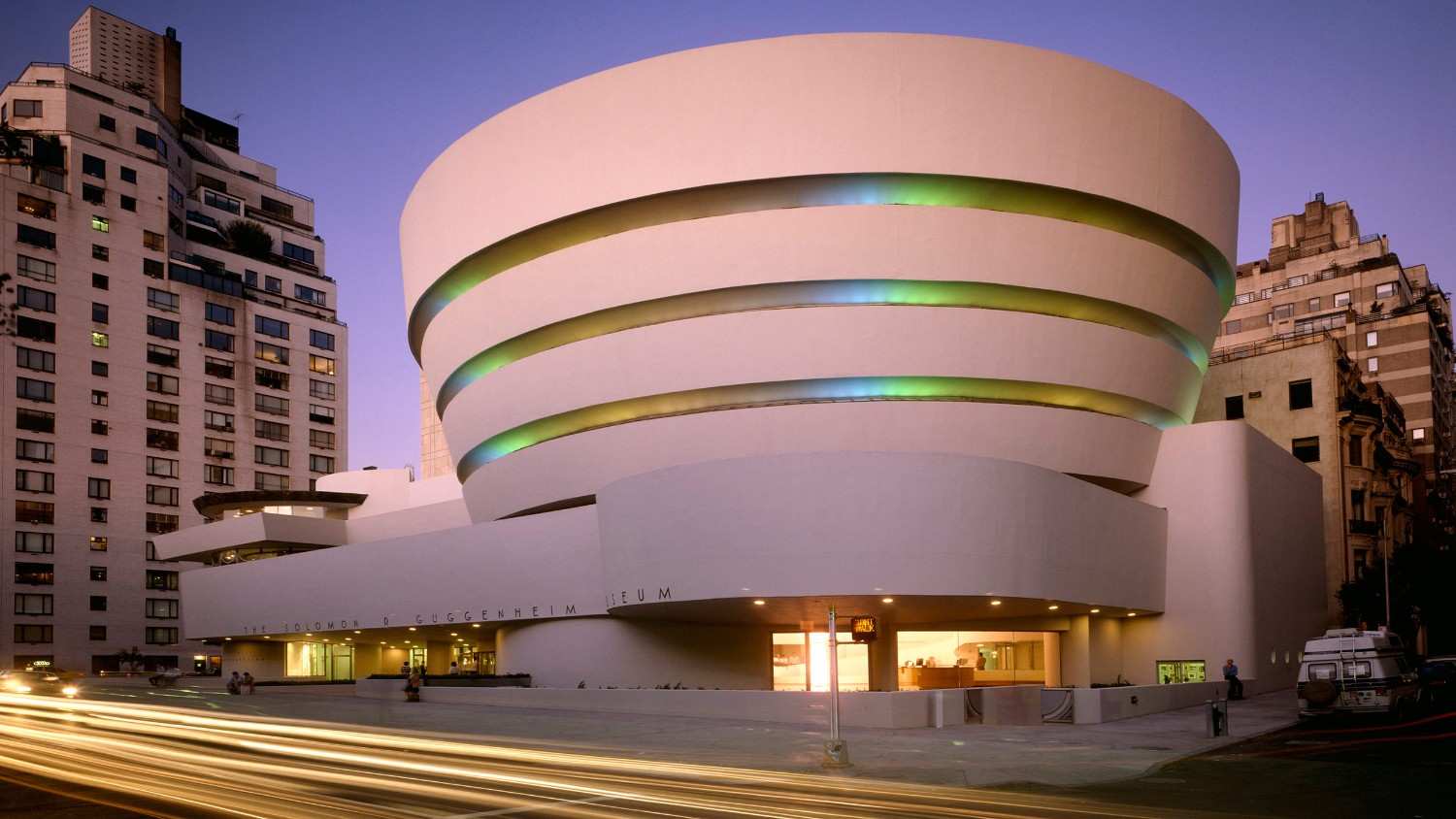
The Guggenheim Museum in New York, Image Source: Guggenheim.org
Core Psychological Impacts of Architectural Design
Space and Scale
The size and scale of a space can significantly affect our mental states. Expansive rooms with high ceilings evoke creativity and freedom, making them ideal for innovative workspaces or cultural landmarks. Conversely, narrow, confined spaces can induce stress or anxiety—a phenomenon often seen in poorly designed corridors or overcrowded housing.
Studies have shown that urban environments with ample architectural variation reduce feelings of monotony, offering a psychological boost to those living amidst diverse and thoughtfully designed buildings.
Light and Color
Light and color are among the most powerful tools in architectural psychology. Natural light enhances productivity, improves mood, and regulates circadian rhythms, making it a cornerstone of successful design. In Scandinavian countries, where winters are long and dark, buildings are often designed to maximize natural light, improving mental health and reducing risks of depression.
Colors also play a critical role in influencing emotions: blue promotes calm, green enhances rejuvenation, and red injects energy. The strategic use of color in educational and workplace design can foster focus, creativity, and collaboration.
Textures and Materials
The materials used in a space can profoundly influence how people feel about living in or interacting with the built environment. Natural materials like wood and stone create warmth and authenticity, while synthetic ones can sometimes feel impersonal or even alienating.
For example, the design of Maggie’s Centres carefully incorporates wood, glass, and natural textures to evoke a sense of comfort, making people feel at ease during emotionally challenging times. These choices underscore the imperative to design something unique and individual for every context.
Acoustics and Sound
Acoustics are often overlooked in design but play a critical role in shaping the psychological impact of architectural spaces. Libraries, for instance, are successful designs due to their engineered silence, which fosters focus and introspection. On the other hand, open office plans can become overwhelming with excessive noise, highlighting the need for acoustic balance to ensure productivity.
The ability to design user-friendly spaces that consider soundscapes is becoming increasingly important in urban environments where noise pollution often confronts residents.
Real-Life Applications of Architectural Psychology
Healing Spaces
Healing architecture prioritizes psychological and physiological impacts. Maggie’s Cancer Centres are prime examples of how thoughtful design can improve mental health and aid recovery. These spaces, with their seamless integration of natural light, green spaces, and communal areas, demonstrate that it’s possible to design environments that actively nurture well-being.
Educational Environments
Classroom design has evolved to prioritize mental states conducive to learning. Vibrant colors, flexible seating arrangements, and interactive layouts foster social bonding and creativity. Montessori classrooms, for instance, emphasize child-friendly spaces that encourage exploration and cognitive development.
Workspaces That Motivate
Corporate giants like Google have set the benchmark for designing workplaces that inspire collaboration and creativity. By incorporating playful elements like slides, vibrant meeting areas, and relaxing zones, these companies understand the value of good design. Yet, they also recognize the need for quiet, private spaces where deep work can happen—a crucial balance often missing in less thoughtfully designed offices.
Green Spaces in Urban Design
Access to green spaces, such as Central Park in New York, is proven to improve mental health and foster social interaction. These urban oases serve as an escape from the monotony of concrete and glass, offering a space for relaxation, exercise, and meaningful social interactions.
The inclusion of woodland, grassy curbs, and water bodies in city designs can dramatically improve the quality of urban living, reducing stress and promoting overall well-being.
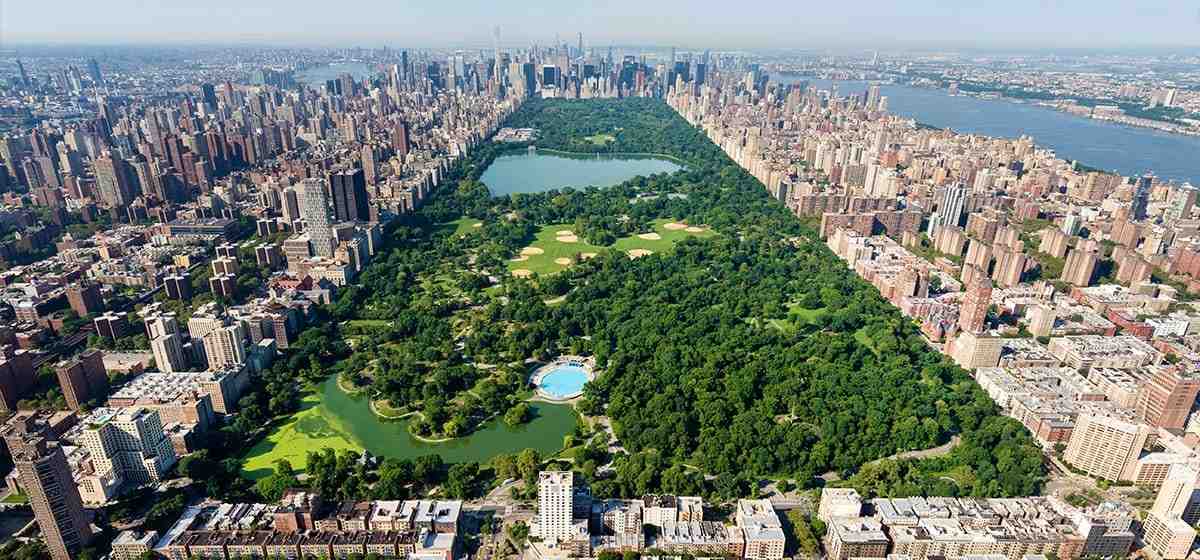
Central Park NYC, Image Source: Park Central Hotel
Challenges in Integrating Architectural Psychology
Ethical and Practical Constraints
Designing with human psychology in mind often faces hurdles like budget limitations, cultural differences, and local regulations. For instance, low-income housing projects must strike a balance between affordability and functionality without compromising residents’ mental health.
Additionally, architects must address architectural obstacles, such as accessibility and sustainability, while ensuring that spaces are welcoming and inclusive. It’s a delicate dance of priorities, but one that ultimately shapes a society where people treat each other—and themselves—with respect.
The Architect’s Role as a Psychologist of Space
As architectural and cognitive science continue to converge, architects are increasingly seen as psychologists of space. They are tasked with creating environments that not only meet practical needs but also enhance human lives.
“Architecture is not just about space and form; it’s about the events that unfold within,” said Bernard Tschumi. This sentiment encapsulates the essence of good design: spaces that inspire, heal, and empower.
Conclusion
Architecture is the art of imagining how spaces might affect behavior, mood, and social interactions. The next time you walk through a public library or sit in a classroom, consider how its design makes you feel. Does it inspire? Calm? Or does it leave you feeling negative?
By embracing architectural psychology, we can design environments that not only serve our physical needs but also nurture our emotional and mental well-being. Let’s build a world where spaces are not only functional but also transformative—guaranteed to make people feel connected, inspired, and alive.
The future of architecture is bright, but are your skills keeping pace? Kaarwan's architecture-specific courses provide you with the knowledge and tools to confidently navigate the AEC industry. Gain valuable insights, master in-demand software, and stand out with designs that impress!
FAQs
1. How does architectural design affect human behavior?
Thoughtfully designed spaces can enhance mood, encourage social interaction, and improve productivity by incorporating elements like natural light, open layouts, and calming materials.
2. What are the core principles of architectural psychology?
Architectural psychology focuses on how design choices—light, color, space, acoustics, and materials—impact emotions, behavior, and mental health in the built environment.
3. Why is natural light important in design?
Natural light boosts mood, productivity, and sleep cycles, making it a vital component of spaces promoting well-being, such as workplaces, schools, and healthcare facilities.
4. What role do textures play in architectural design?
Textures influence emotional responses: natural materials like wood evoke warmth and comfort, while synthetic ones may feel impersonal or sterile in certain contexts.
5. How can urban green spaces improve mental health?
Access to green spaces like parks reduces stress, fosters relaxation, and promotes community bonding, improving overall well-being in densely populated urban areas.