How is technology influencing architectural concepts? The integration of innovative tools and methods has fundamentally changed the way architects visualize, design, and execute projects. This article will help you learn about the merging of technology with creative thinking, and how these advancements have redefined architectural design processes globally.
From creating an architectural design concept sheet to implementing futuristic concept sheet ideas, architects now use technology to enhance creativity, precision, and efficiency. In this blog, we’ll explore the transformative power of innovation and its impact on modern architecture.
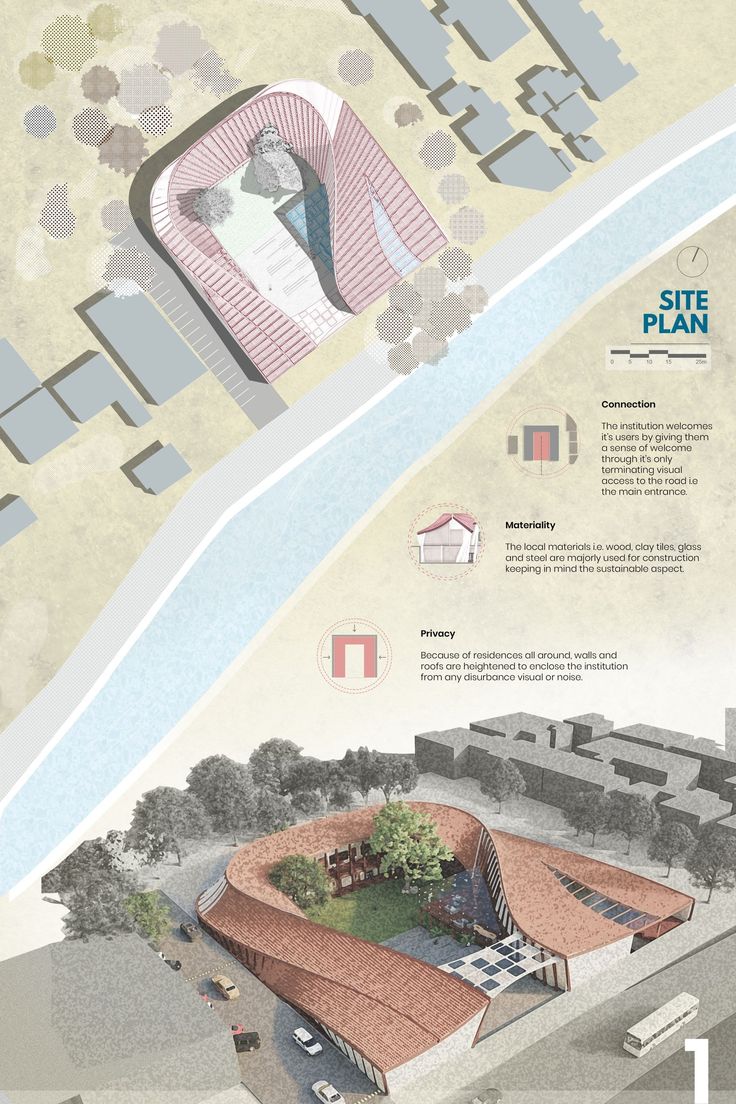
Concept sheet_©uni.xyz
How Technology Shapes Architectural Concepts
1. Digital Tools in Architectural Design
Technological tools have streamlined the process of developing architectural concepts. Architects no longer rely solely on hand-drawn blueprints, but leverage advanced software to bring ideas to life with accuracy.
- Computer-Aided Design (CAD): Tools like AutoCAD allow precise modeling of structures.
- Building Information Modeling (BIM): Platforms like Revit integrate project data into cohesive designs.
- Virtual Reality (VR): Immersive experiences help clients visualize projects in a realistic 3D environment.
For example, the Shanghai Tower was modeled using BIM, saving time and reducing waste by 32%, according to the Autodesk website.
2. Evolution of Concept Sheet Design
A well-structured architectural design concept sheet communicates design intent effectively. Technology has made these sheets more dynamic by integrating visual data, 3D models, and interactive elements.
Key Enhancements:
- Interactive Features: Use QR codes linking to digital walkthroughs.
- Data Integration: Add energy efficiency data or material lifecycle information.
- Dynamic Layouts: Tools like Photoshop enable creative formats that highlight critical design elements.
Modern projects like Google’s Bay View campus illustrate this evolution. The concept sheet ideas included solar energy integration visuals and modular layout possibilities, engaging stakeholders comprehensively.
Innovations Transforming Architecture
1. Artificial Intelligence in Design
AI is a game-changer for concept sheet design and project planning. Algorithms analyze environmental data, optimize material usage, and suggest sustainable options.
Benefits of AI in Architecture:
- Faster decision-making through predictive analytics.
- Enhanced sustainability via material optimization.
- Design personalization based on end-user needs.
AI-powered tools helped Zaha Hadid Architects conceptualize Beijing Daxing International Airport. The design included AI-driven airflow analyses, improving efficiency and passenger comfort.
2. Sustainable Design Through Technology
Sustainability is integral to modern architectural concepts, and innovation plays a critical role.
Tech-Driven Sustainable Practices:
- Green Building Materials: Use 3D printing to produce materials like carbon-neutral concrete.
- Renewable Energy Models: Incorporate solar panels or wind turbines in design simulations.
- Water Management: Create rainwater harvesting systems through hydraulic modeling.
An example is Bosco Verticale in Milan, where technology enabled the integration of 800 trees and 14,000 plants into a vertical structure, reducing CO2 emissions by 30%.
Concept Sheet Ideas to Improve Architectural Workflow
1. Prioritize Clarity in Communication
A robust architectural design concept sheet should convey critical information effectively. Use clean layouts and visuals to ensure stakeholders quickly grasp the design.
Key Features:
- Annotated diagrams for clarity.
- Side-by-side comparisons of design iterations.
- Infographics showcasing data like cost or energy efficiency.
2. Highlight Sustainability Goals
Showcase eco-friendly features directly on the concept sheet. This helps clients understand the project’s environmental impact and value.
Examples:
- Graphs indicating energy savings.
- Lifecycle analysis for building materials.
- 3D renderings of green spaces.
3. Embrace Real-Time Collaboration Tools
Integrating real-time collaboration in the concept sheet design process fosters teamwork. Software like Miro or Figma lets teams update and review designs simultaneously.
Advantages:
- Improved coordination across disciplines.
- Faster feedback cycles.
- Greater accuracy in revisions.
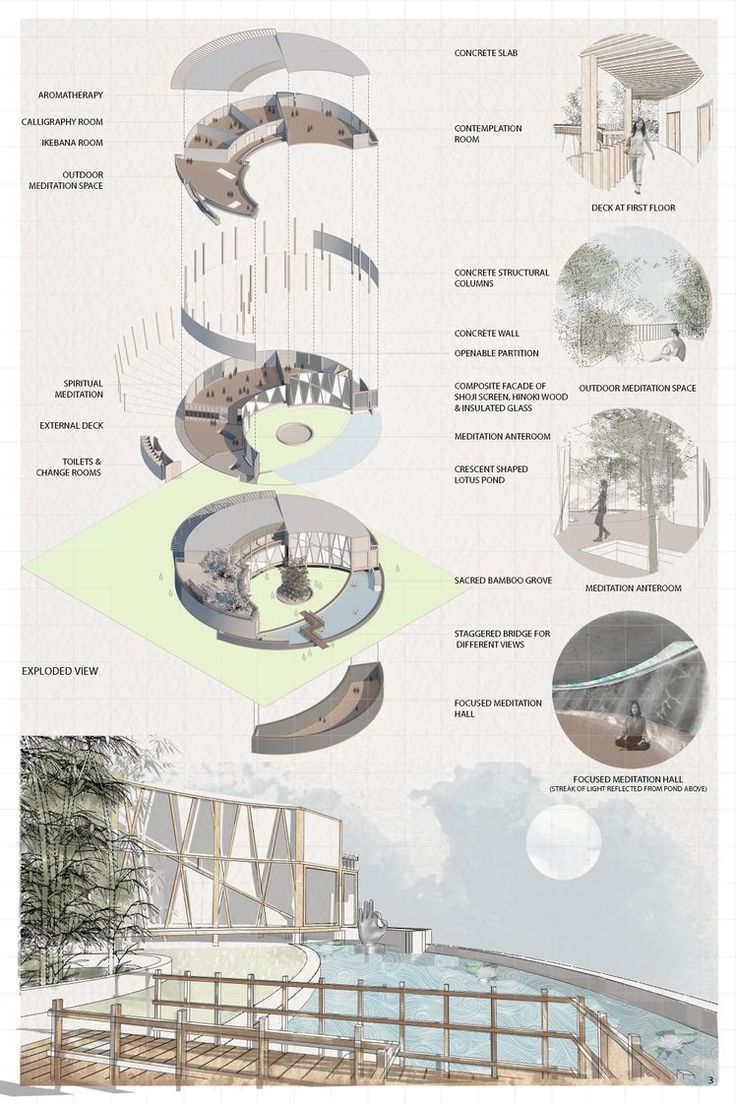
Concept sheet_©uni.xyz
The Future of Technology in Architectural Design
1. Smart Cities and IoT
The concept of smart cities relies on interconnected devices and data-driven design. Architects play a pivotal role by incorporating IoT features into their designs.
Applications Include:
- Smart lighting systems to reduce energy use.
- Automated climate controls in buildings.
- Real-time data collection for urban planning.
Barcelona’s smart city initiatives have optimized waste management and public transportation systems, demonstrating the potential of IoT in urban architecture.
2. Robotics in Construction
Robotics is reshaping construction methods, reducing labor costs and improving safety. Robotic arms and drones assist in construction processes, ensuring precision.
Examples of Robotic Applications:
- Automated bricklaying systems.
- Drone inspections for structural safety.
- Prefabricated modular units using robotics.
The Edge in Amsterdam, recognized as the world’s most sustainable building, used robotics for efficient energy systems installation.
Conclusion
The fusion of technology and innovation in architectural concepts has transformed the design landscape. Architects now create efficient, sustainable, and visually stunning designs using advanced tools. From crafting engaging architectural design concept sheets to exploring groundbreaking concept sheet ideas, the opportunities are endless.
Staying updated with technological advancements is essential for architecture students and professionals to remain competitive. Embrace these innovations to redefine your design approach and leave a lasting impact in the field.
The future of architecture is bright, but are your skills keeping pace? Kaarwan's architecture-specific courses provide you with the knowledge and tools to confidently navigate the AEC industry. Gain valuable insights, master in-demand software, and stand out with designs that impress!
FAQs
Q1. How has technology transformed the creation of architectural design concept sheets?
A1. Technology has revolutionized concept sheet creation by integrating 3D models, interactive features like QR codes, and data on sustainability. Tools like Photoshop allow dynamic layouts for clear communication.
Q2. What are the key benefits of using artificial intelligence (AI) in architectural design?
A2. AI speeds up decision-making through predictive analytics, optimizes material use for sustainability, and personalizes designs based on user needs. For instance, Zaha Hadid Architects used AI for airflow analysis at Beijing Daxing Airport.
Q3. How are smart cities influencing architectural concepts?
A3. Smart cities incorporate IoT for features like energy-efficient lighting, automated climate control, and real-time data for urban planning. Barcelona’s initiatives demonstrate how IoT enhances waste management and transportation systems.
Q4. What role does virtual reality (VR) play in modern architecture?
A4. VR provides immersive 3D visualizations, enabling clients and architects to experience designs in a realistic environment. This enhances communication and allows adjustments before construction begins.
Q5. What are examples of robotic applications in construction?
A5. Robotics streamlines construction through automated bricklaying, drone-based structural inspections, and prefabricated modular units. The Edge in Amsterdam used robotics for installing energy-efficient systems.