Lessons from Architecture’s Most Iconic Buildings by Legends of Architecture
Architecture isn’t just about walls and roofs—it’s about storytelling, human experience, and how spaces connect with nature, culture, and technology. The world’s most iconic buildings offer far more than aesthetic beauty; they teach us how design can solve problems, evoke emotions, and enhance daily life. Below, we explore key lessons from legendary architects and their timeless works—each offering a guiding principle for aspiring architects and students alike.
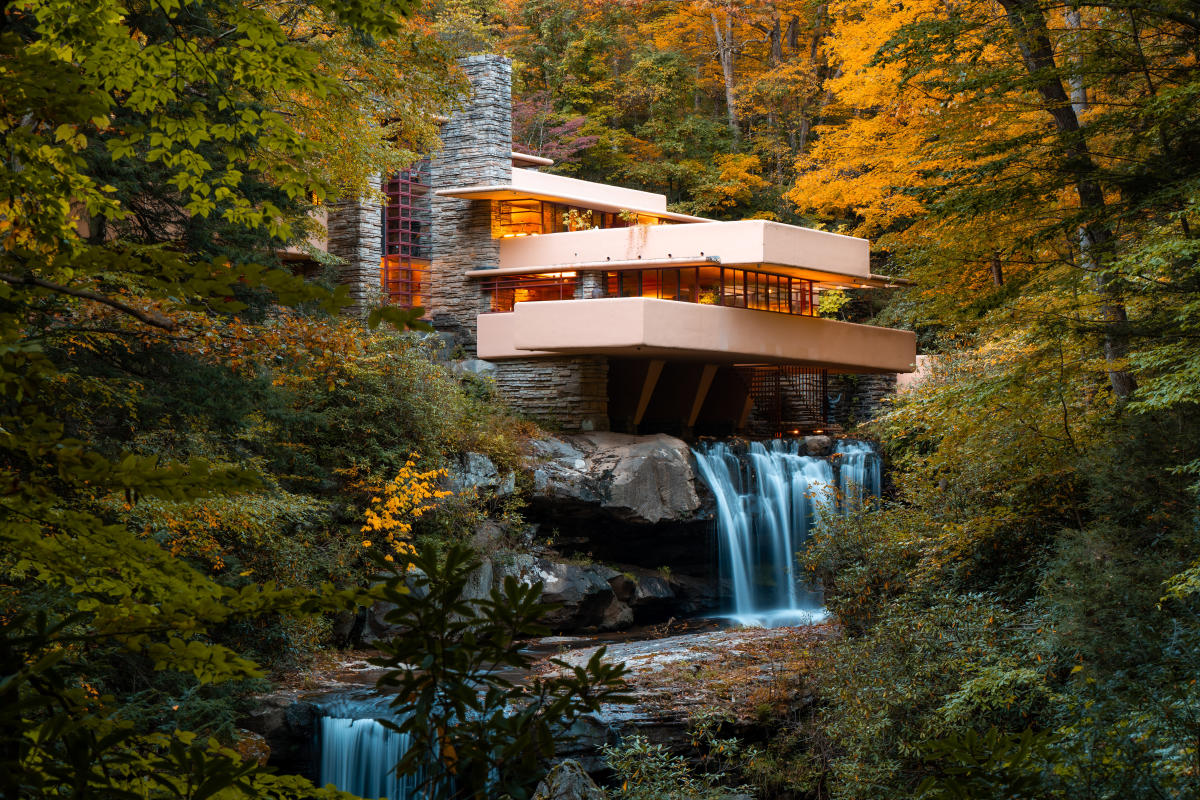
Fallingwater – Frank Lloyd Wright
Lesson: Design with the land’s story, not against it.Built atop a waterfall in Pennsylvania, Fallingwater demonstrates how architecture can flow seamlessly with nature. Wright embraced the land’s contours, integrating stone, water, and light to create harmony between structure and environment.Why it’s useful:When designing, view natural elements—terrain, vegetation, and light—as collaborators rather than obstacles. This approach fosters sustainable, beautiful, and site-sensitive architecture.
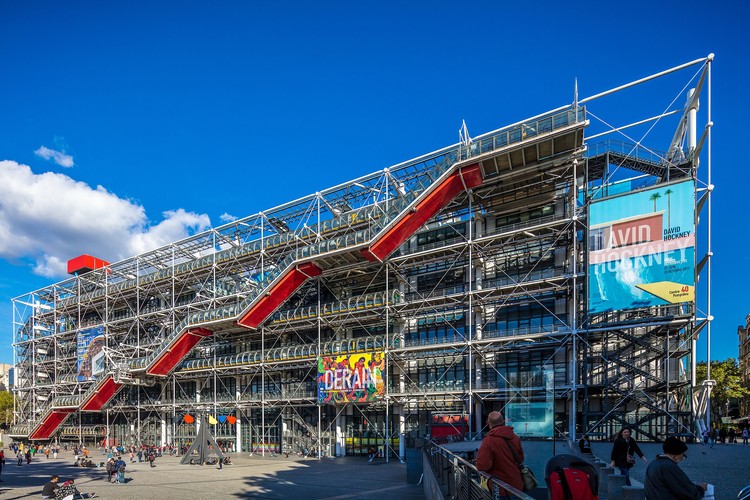
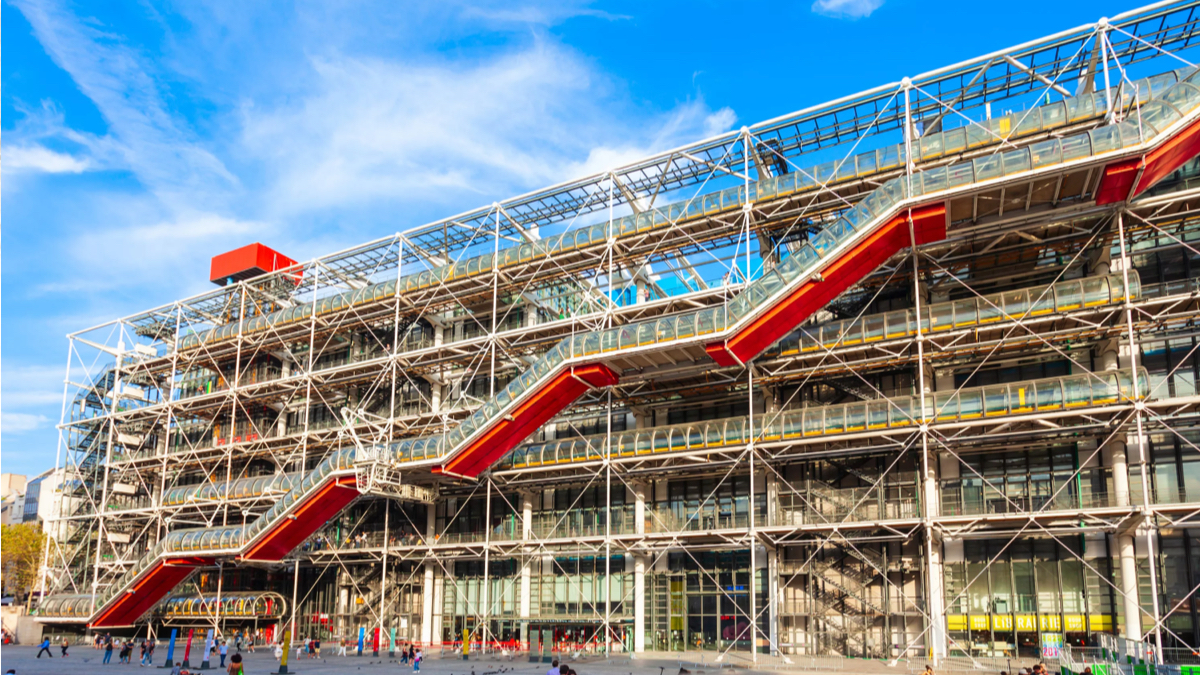
Pompidou Centre – Renzo Piano & Richard Rogers
Lesson: Expose structure and tell a story.The Pompidou Centre in Paris turns architecture inside out, openly showcasing its mechanical systems, pipes, and beams as part of the building’s aesthetic. It’s bold, honest, and expressive.Why it’s useful:Transparent construction communicates purpose and builds trust. Structural elements, instead of being hidden, can be celebrated to create visually striking and educational designs.
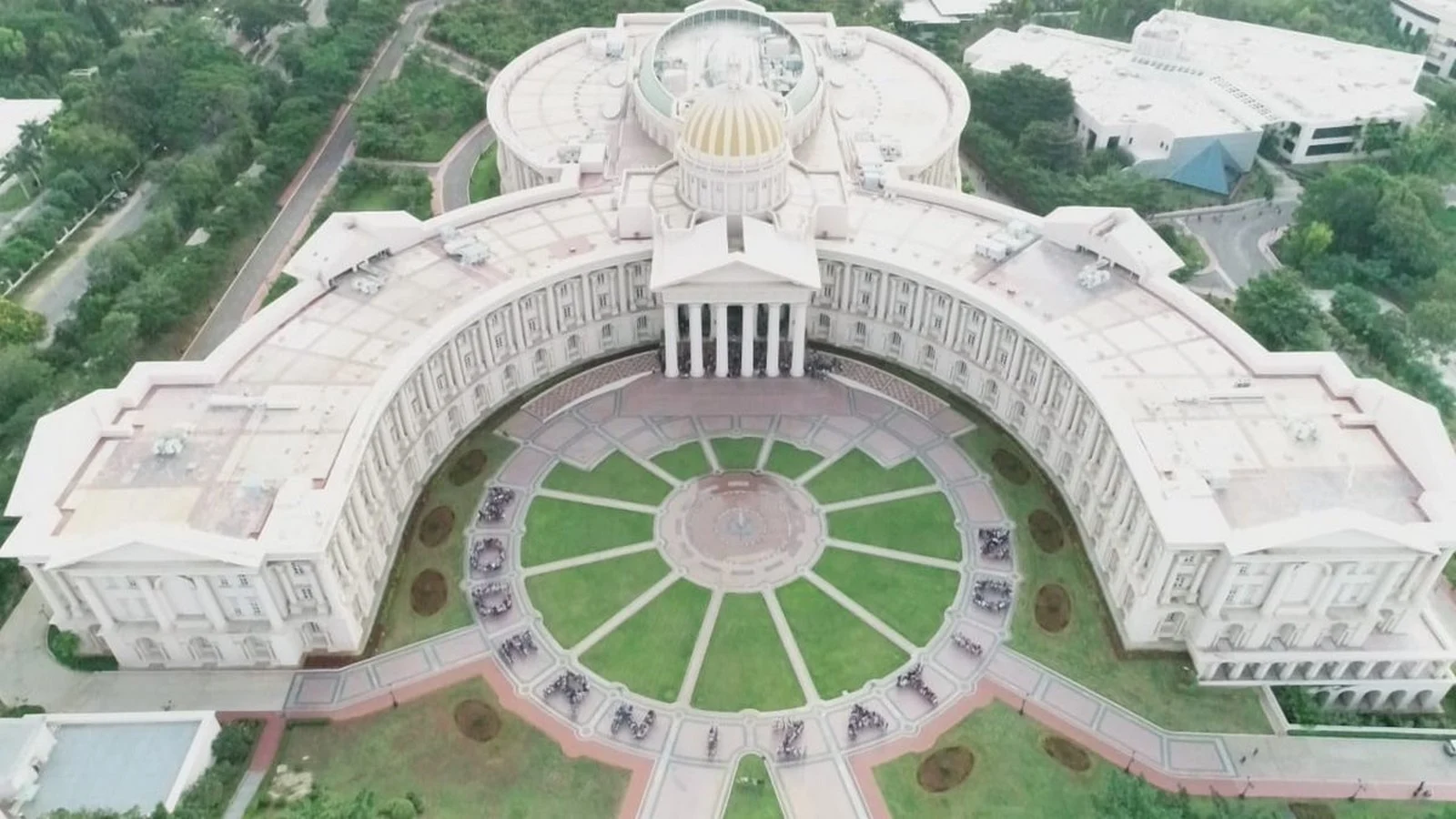
Infosys Campus, Mysuru – Hafeez Contractor
Lesson: Let sustainability shape the design, not decorate it.Infosys’s campus seamlessly integrates water recycling, solar energy, and natural airflow to reduce energy consumption while improving comfort for employees.Why it’s useful:Smart design decisions like energy efficiency and climate adaptation don’t just save resources—they enhance user well-being and long-term operational costs.
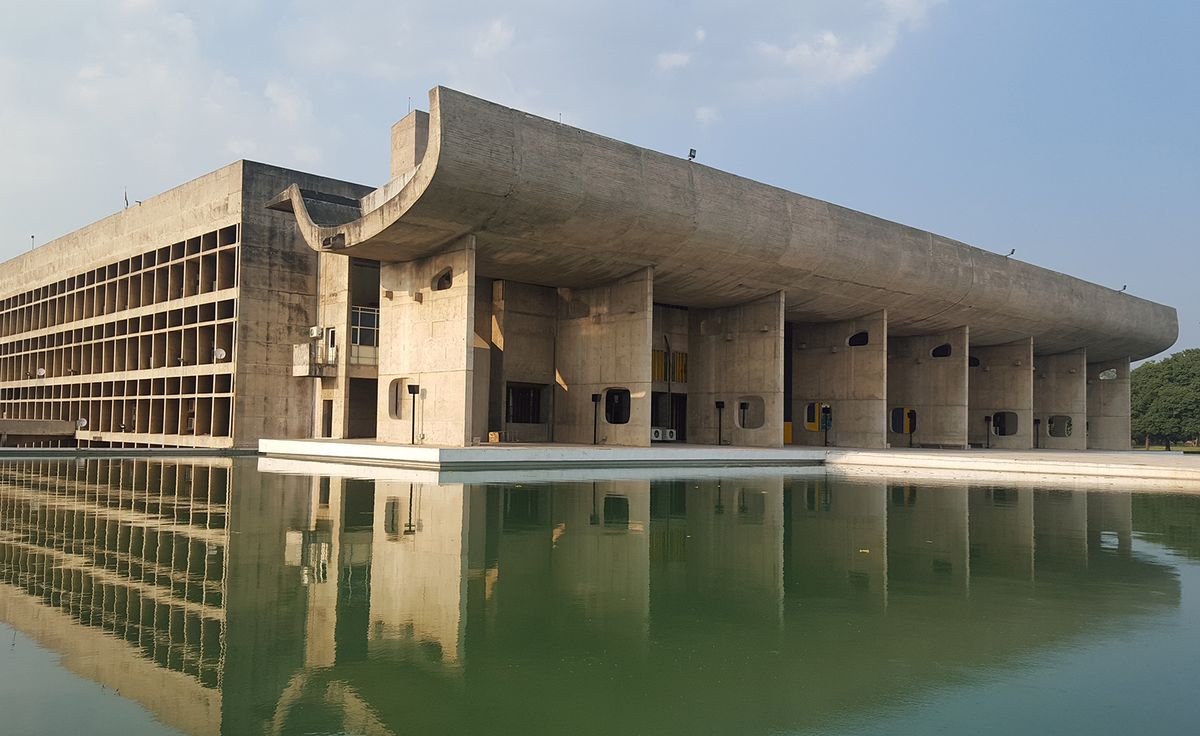
Chandigarh Capitol Complex – Le Corbusier
Lesson: Design spaces at a human scale.Le Corbusier’s civic complex prioritizes spatial proportions that feel approachable and intuitive, offering both grandeur and usability.Why it’s useful:Spaces designed with human interaction in mind feel welcoming and functional, enhancing comfort without overwhelming users.
Salk Institute – Louis Kahn
Lesson: Frame views to inspire focus and creativity.Kahn’s design for the research center connects interior spaces to nature, using geometry and open vistas to enhance contemplation and collaboration.Why it’s useful:Design that encourages interaction with natural surroundings boosts productivity and mental clarity, helping users feel grounded and inspired.

Final Thoughts
The world’s most celebrated architectural works aren’t just admired for their appearance—they teach us how to solve problems, enhance user experience, and integrate with the environment. By learning from these legends, architecture students and professionals can create designs that are not only beautiful but purposeful, sustainable, and meaningful.