Parametric architecture is revolutionizing the way architects approach design, enabling dynamic, complex structures that can adapt to various inputs. Grasshopper software, a visual programming tool that works within Rhino architecture, is at the forefront of this transformation. With Grasshopper, architects can manipulate parameters to create intricate and functional designs.
This article will help you learn about the importance of Grasshopper training and how it can be utilized to create cutting-edge architectural solutions.
What is Parametric Architecture?
Parametric architecture is an advanced design method where parameters influence the form and structure of a building. It’s not about a fixed shape but a flexible, responsive system that evolves based on input variables such as light, climate, and user behavior. Using parametric design, architects, can explore complex geometries that were once challenging or impossible to create manually.
Parametric architecture also allows architects to automate certain processes, enabling designs to be more efficient and sustainable. With the use of Grasshopper software and Rhino architecture, these designs can be quickly altered based on specific needs.
Why Grasshopper Software is Essential for Parametric Architecture
Grasshopper is a node-based visual programming tool that lets architects experiment with parametric designs without writing code. It connects seamlessly with Rhino, a 3D modeling software, making it an essential tool in parametric workflows. The power of Grasshopper lies in its ability to control geometry using variables.
With Grasshopper training, architects can enhance their ability to design complex models by controlling dimensions, forms, and materials using parameters. Let’s explore why this software is so vital:
- Flexibility: Grasshopper allows for real-time design alterations. Whether you need to change the dimensions of a building or adjust its materials, Grasshopper makes it easy to adjust.
- Automation: The software helps architects automate repetitive tasks. For example, you can set up a script that adjusts window placements based on the building’s orientation to the sun.
- Integration: As part of Rhino architecture, Grasshopper integrates well with other tools, making it versatile for various design stages.
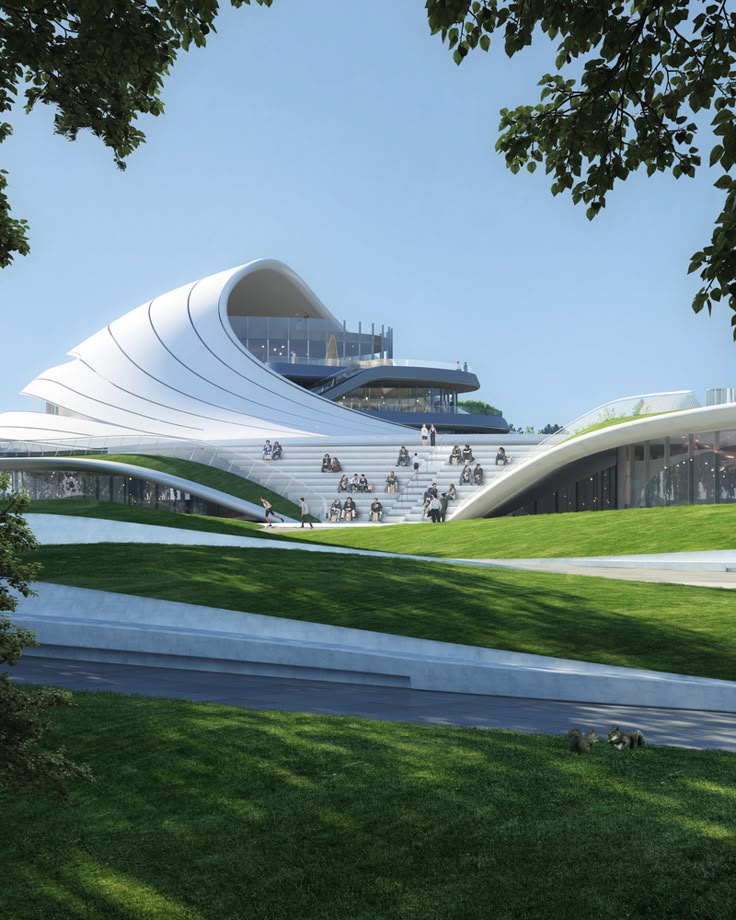
Jiaxing Civic Center by MAD Architects_©archdaily.com
Examples of Parametric Architecture Using Grasshopper
To better grasp the potential of parametric architecture, here are some notable real-life examples where Grasshopper software played a crucial role:
- Louverwall House, Thailand: This residential project is a brilliant example of parametric architecture applied in a tropical climate. The house features a dynamic facade designed to respond to sunlight and ventilation needs. By utilizing Grasshopper software, the architects were able to optimize the positioning of the louvers, ensuring maximum shade during hot periods while maintaining airflow. The parametric model allowed for real-time adjustments, making the design highly responsive to environmental conditions.
- The One Ocean Pavilion, South Korea: Designed by SOMA Architects, this stunning pavilion showcases the use of parametric architecture to create a fluid and organic form. The structure’s complex shell was made possible by parametric design tools like Grasshopper, which allowed the architects to manipulate and fine-tune the shape of the pavilion. The parametric model also helped optimize material usage and ensure that the design was structurally sound and visually impactful.
These examples illustrate how parametric design, powered by Grasshopper software, enables architects to explore innovative solutions that respond intelligently to environmental challenges and push the limits of traditional architecture.
The Benefits of Grasshopper Training for Architects
While Grasshopper software is user-friendly, its true potential is unlocked through Grasshopper training. This training helps architects and designers to understand the depth of the tool and create more efficient, sustainable designs.
Key Benefits of Grasshopper Training:
- Enhanced Creativity: With Grasshopper, architects can visualize complex patterns and structures that would be difficult to design manually. Training enables users to fully explore the tool's potential.
- Sustainability: Grasshopper helps architects optimize materials, energy efficiency, and design sustainability by enabling simulations and real-time adjustments.
- Collaboration: Since Grasshopper integrates with Rhino and other design tools, trained architects can collaborate more effectively with engineers, fabricators, and other stakeholders.
Would you want your architectural design to adapt instantly to changing conditions? With Grasshopper, this becomes possible. For instance, you can create a building facade that automatically adjusts based on sunlight, ensuring energy efficiency throughout the day.
Why Rhino Architecture Complements Grasshopper
Grasshopper is built into Rhino, a 3D modeling software that allows architects to design complex forms. Rhino architecture complements parametric design by offering a powerful platform for modeling, visualization, and analysis.
- Precision: Rhino offers precise control over geometry, which is critical in parametric architecture. This precision ensures that designs are accurate and feasible to construct.
- Versatility: Rhino supports various file formats and integrates with numerous design and engineering tools, making it versatile for different projects.
- Customization: Rhino and Grasshopper together allow architects to customize designs by tweaking parameters and generating endless variations.
Many architects opt for a Rhino course to improve their skills in 3D modeling. Rhino courses also teach students how to integrate Grasshopper into their workflow, making it easier to handle parametric projects.
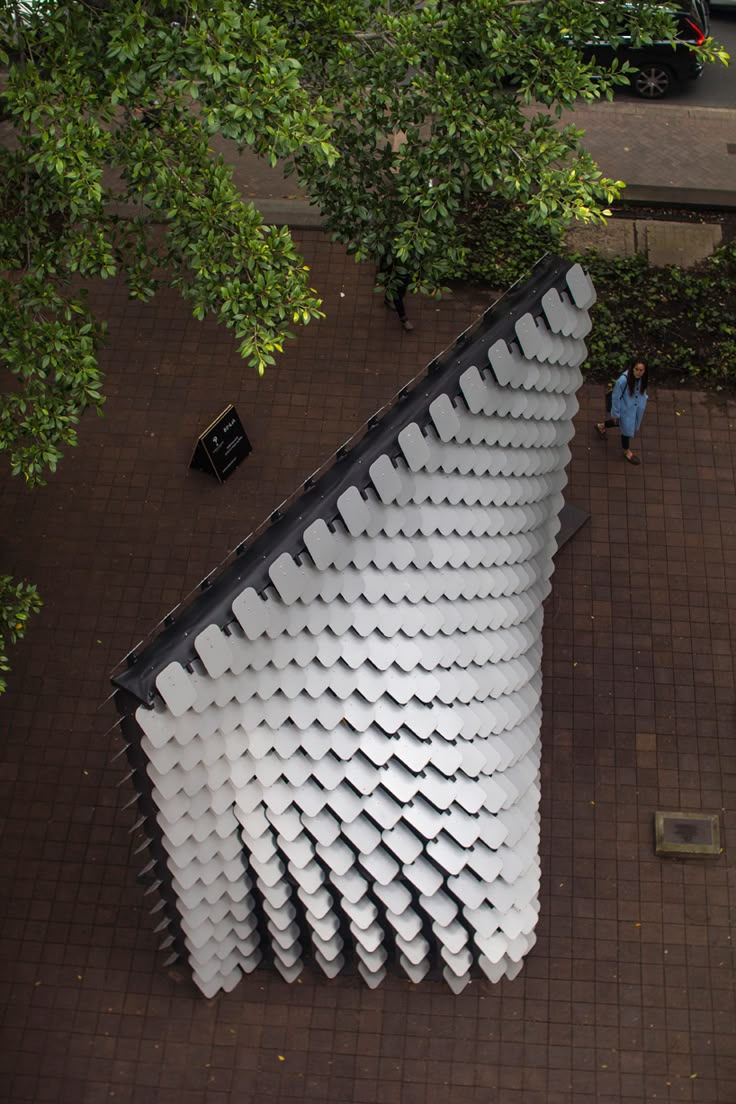
80Hz pavilion in Sydney by Thomas wing-evans_©designboom.com
How to Start Learning Grasshopper: Choosing the Right Course
To master parametric design, enrolling in a Grasshopper training or a Rhino course is a smart move. With proper guidance, architects can elevate their skills and implement innovative solutions. Here’s what to look for in a good training program:
- Comprehensive Curriculum: A good course covers both basic and advanced topics in parametric design, including modeling techniques, scripting, and design workflows.
- Hands-On Projects: Courses should include real-life projects that allow you to experiment with Grasshopper software.
- Industry-Relevant Tools: Ensure the course focuses on industry-standard tools like Rhino and Grasshopper, as these are widely used in architecture and design.
By taking a Rhino course that includes Grasshopper training, architects can enhance their ability to create functional, sustainable designs that stand out.
Conclusion
The future of architecture points toward parametric design, and Grasshopper software is key to unlocking this potential. With the right Grasshopper training, architects can design adaptive, efficient, and visually stunning buildings that respond to environmental and structural challenges. Whether you’re just starting in parametric architecture or looking to enhance your skills, learning to use these tools will set you apart in the competitive world of architectural design.
Grasshopper and Rhino together represent the next step in architectural innovation. By embracing this technology, architects can create structures that are visually stunning, highly functional, and responsive to the world around them.
Transform Your Architectural Projects with Grasshopper Training. Learn how to create dynamic, adaptive structures that stand out. Enroll in our Advance Rhino & Grasshopper Certification Course today and elevate your design game!
Visit the Kaarwan website for more insights!
FAQs
1. What is Grasshopper used for in architecture?
Grasshopper is used for creating complex, parametric designs by enabling architects to model and explore variations in form, structure, and materials efficiently. It integrates with Rhino to allow real-time adjustments in the design process.
2. What are the benefits of Grasshopper software?
Grasshopper enables architects to automate repetitive tasks, explore multiple design variations, and optimize structures for aesthetics and performance. It’s highly flexible and supports innovative solutions for complex geometry.
3. Is Grasshopper a CAD software?
No, Grasshopper is not a standalone CAD software. It is a visual programming tool that works within Rhino, enhancing its capabilities by allowing parametric design and automation in architectural modeling.
4. What is the purpose of parametric architecture?
Parametric architecture focuses on using algorithms to design adaptable and optimized structures. It enables architects to create complex, responsive forms that evolve based on functional and environmental data.
5. What is the methodology of parametric architecture?
Parametric architecture uses algorithms and data-driven design methods to define relationships between various design elements. This methodology allows designers to modify inputs and instantly see changes in the output, optimizing the entire process.