The Gothic Era marked a pivotal period in European history, with significant advancements in urbanism and Gothic architecture. This era witnessed the rise of dynamic towns and cities, showcasing architectural ingenuity and urban planning that still inspires today. From towering cathedrals to bustling marketplaces, the towns of the Gothic era were at the center of cultural, social, and economic life.
This article will help you learn about the evolution of towns during the Gothic period, the defining elements of Gothic architecture, and how these influenced the urban fabric of medieval Europe.
The Rise of Towns and Cities in the Gothic Era
Medieval Urban Expansion
The 12th to 15th centuries, often called the Gothic era, saw a significant shift in Europe’s urban landscape. Towns and cities grew rapidly, becoming hubs of trade, governance, and religion. What drove this expansion?
- Economic growth: Agriculture advancements and increased trade enabled surplus production, spurring population growth.
- Religious significance: Many towns became pilgrimage sites due to magnificent Gothic cathedrals.
- Political autonomy: Some towns gained independence, managing their own governance and economy.
For instance, Paris, with its iconic Notre Dame Cathedral, flourished as a cultural and intellectual center. Its population grew from around 50,000 in the 12th century to over 200,000 by the 14th century.
Key Features of Medieval Towns
Towns during the Gothic era shared several distinctive features:
- Fortifications: Many towns were enclosed by walls to defend against invasions.
- Central plazas: These were surrounded by markets, guildhalls, and churches, often becoming the heart of social life.
- Mixed-use spaces: Residences and workshops were often combined, highlighting the practical nature of urban life.
For example, Bruges, a prominent Flemish city, was known for its bustling textile markets and intricate canal system, showcasing its economic and infrastructural prowess.
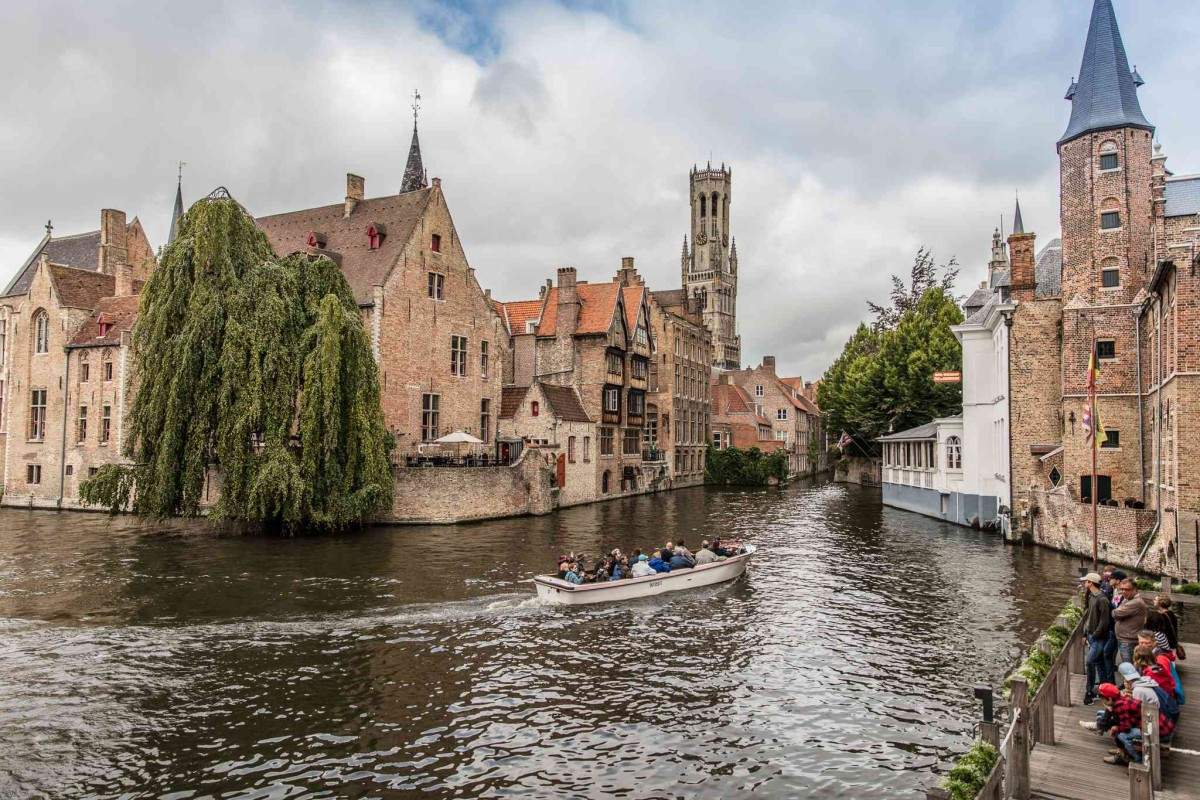
Bruges_©visitflanders.com
Defining Gothic Architecture in Towns and Cities
The Characteristics of Gothic Architecture
Gothic architecture, which emerged in the 12th century, transformed medieval towns. Its key elements included:
- Pointed arches: These added structural strength and aesthetic elegance.
- Ribbed vaults: This innovation allowed for higher ceilings and more expansive interiors.
- Flying buttresses: These external supports enabled the construction of tall structures with large stained-glass windows.
The Cologne Cathedral in Germany, with its 157-meter-high spires, exemplifies these features, blending engineering brilliance with artistic grandeur.
Religious Structures as Urban Centers
In the Gothic era, cathedrals and churches were often the focal points of towns. Their towering presence dominated skylines, symbolizing both religious devotion and civic pride.
- Notre Dame Cathedral, Paris: This masterpiece not only hosted religious ceremonies but also served as a meeting point for the local community.
- Chartres Cathedral, France: Its elaborate stained-glass windows narrated biblical stories, providing education to the largely illiterate populace.
Impact on Urban Layouts
The construction of Gothic cathedrals influenced the surrounding urban design:
- Streets often radiated outward from the church, creating an organic network.
- Public squares adjacent to religious structures became vital for trade and festivals.
- Artisan workshops and guild halls flourished around these central landmarks.
The Role of Guilds in Urban Development
Craftsmanship in Gothic Architecture
Guilds played a pivotal role in the development of Gothic towns. These associations of craftsmen ensured high standards in construction and craftsmanship.
- Masons and architects: Responsible for designing and building iconic structures.
- Stained-glass artists: Created vibrant windows depicting religious and cultural themes.
- Blacksmiths: Produced intricate ironwork for doors, railings, and sculptures.
The rise of guilds fostered economic stability and created a skilled workforce, further enriching towns during the Gothic era.
Economic Hubs
Guildhalls, often located near marketplaces, became significant architectural additions. For instance, the Cloth Hall in Ypres, Belgium, reflected the economic dominance of the textile trade in the region.
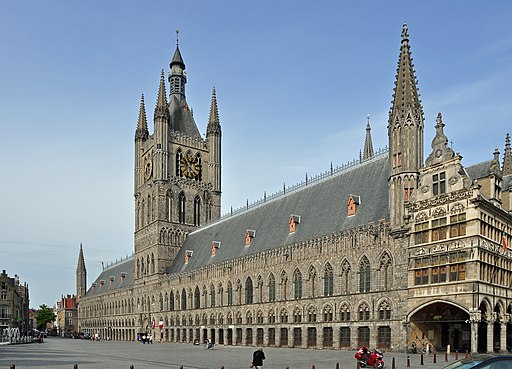
Cloth Hall in Ypres, Belgium_©Marc Ryckaert, CC BY-SA 4.0, via Wikimedia Commons
Urban Planning Innovations in the Gothic Era
Marketplaces and Public Spaces
Medieval towns prioritized functional design, with marketplaces at their core. These spaces facilitated trade and social interaction, driving urban prosperity.
- Example: The Piazza del Campo in Siena, Italy, blended Gothic design with practical urban planning, becoming a model for public squares.
- Design approach: Open layouts with adjacent guildhalls, fountains, and shops enhanced accessibility.
Sanitation and Infrastructure
Urban centers began addressing practical challenges like sanitation and water supply:
- Aqueducts and wells: Improved water availability for growing populations.
- Waste management: Paved roads and drainage systems minimized health risks in crowded areas.
These developments showcased the growing sophistication of Gothic towns in balancing aesthetics with functionality.
Enduring Legacy of Gothic Urbanism
The Gothic era left a lasting imprint on modern urban design and architecture. Many towns and cities have preserved their Gothic roots, attracting visitors and inspiring contemporary architects.
- Prague’s Old Town: Its Gothic structures, including the Church of Our Lady before Týn, remain iconic.
- Venice’s Doge’s Palace: A blend of Gothic and Venetian styles, it showcases the adaptability of Gothic architecture.
Even today, Gothic-inspired designs feature in public buildings, ensuring the era's influence endures.
Conclusion
The Gothic Era reshaped medieval towns and cities, weaving Gothic architecture into the fabric of urban life. From soaring cathedrals to innovative marketplaces, this period exemplified a unique blend of artistry, engineering, and community. The enduring charm of Gothic towns, from Paris to Prague, continues to captivate modern audiences, offering valuable lessons in urban planning and architectural excellence.
By exploring these towns and structures, architects and students can draw inspiration from the Gothic period’s remarkable achievements in design and functionality.
The future of architecture is bright, but are your skills keeping pace? Kaarwan's architecture-specific courses provide you with the knowledge and tools to confidently navigate the AEC industry. Gain valuable insights, master in-demand software, and stand out with designs that impress!
FAQs
Q1. What factors contributed to the rise of towns and cities during the Gothic era?
A1. The rise of towns and cities during the Gothic era was driven by economic growth from agricultural advancements and trade, the religious significance of pilgrimage sites with Gothic cathedrals, and increased political autonomy allowing self-governance.
Q2. What are the defining characteristics of Gothic architecture?
A2. Gothic architecture is defined by pointed arches for strength, ribbed vaults for expansive interiors, flying buttresses for tall structures with large windows, and intricate stained-glass artwork.
Q3. How did Gothic cathedrals impact urban layouts in medieval towns?
A3. Gothic cathedrals influenced urban layouts by becoming focal points with streets radiating outward, creating adjacent public squares for trade and festivals, and attracting artisan workshops around them.
Q4. What role did guilds play in the development of Gothic towns?
A4. Guilds ensured craftsmanship quality in construction, trained skilled labor, fostered economic stability, and contributed architectural landmarks like the Cloth Hall in Ypres, reflecting trade dominance.
Q5. How did sanitation and infrastructure improve in Gothic-era towns?
A5. Gothic towns addressed sanitation and infrastructure by implementing aqueducts, wells for water access, paved roads, and drainage systems to reduce health risks in growing urban populations.