Once considered a niche concern, sustainability has become a driving force in the building sector. As cities grow, the focus on sustainable building grows with them. Net-zero energy buildings (NZEBs) are transforming how we design, creating spaces that produce as much energy as they consume. These buildings are designed to produce as much energy as they consume annually, effectively maintaining an energy consumption-production balance while saving energy costs. In a world increasingly focused on clean energy, NZEBs offer promising solutions for sustainable development.
Understanding Net-Zero Energy Buildings
A net-zero building is one that is designed to meet its energy needs through renewable energy sources. According to the Department of Energy and the National Renewable Energy Laboratory, it must generate at least as much energy as it uses in a year. For example, the Research Support Facility in Golden demonstrates how public buildings can achieve zero carbon emissions through careful energy management and on-site renewable energy generation.
Industry Perspective
The Green Building Council emphasizes that the overall use of energy with highly efficient systems is crucial for existing building transformation. As alternative energy technologies decrease in cost, more building owners are embracing zero carbon building strategies.
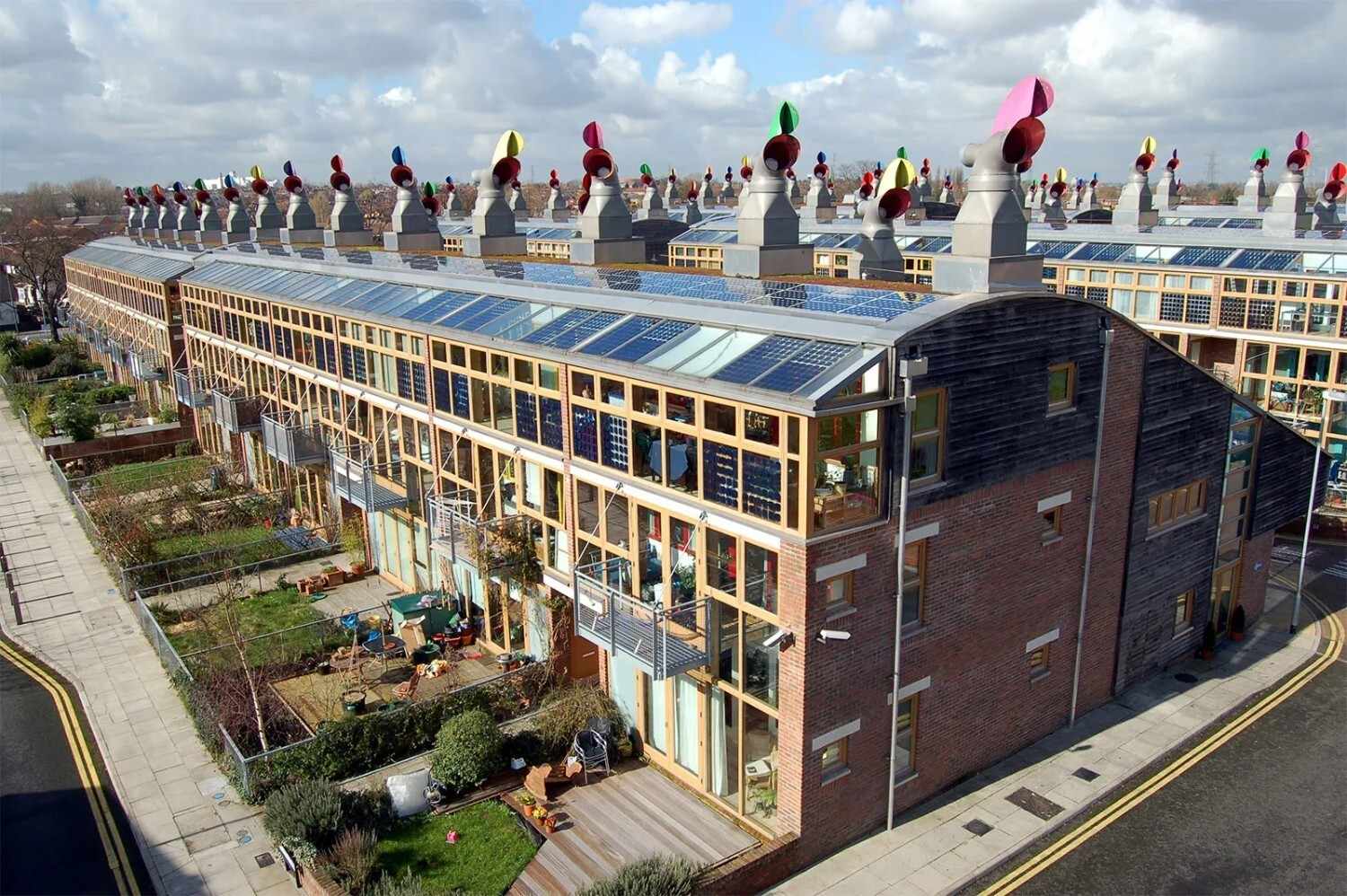
Beddington ZEB Development, Image Source: Britannica
Core Principles of Net-Zero Design
Energy Efficiency and Renewable Energy
Energy efficiency lies at the heart of zero-energy building design. The building envelope plays a crucial role in reducing energy demand, while renewable energy systems help meet remaining energy requirements. The use of renewable energy sources to meet the energy needs of a building involves careful consideration of renewable energy supply options.
Energy Conservation and Management
A well-designed net-zero energy building does not just rely on energy generation but is more about reducing energy consumption with smart building materials and optimization of operational energy. The net metering helps monitor the building's energy performance, ensuring that energy demand is met sustainably.
Key Design Elements
- Passive Design Strategies: Building design must incorporate passive solutions to reduce the energy needed for heating and cooling. The home energy rating system helps evaluate a building's energy efficiency, guiding designers toward optimal energy performance.
- High-Performance Components: The importance of energy-efficient building materials cannot be overstated. Within the building, the amount of energy used is carefully monitored through advanced energy rating systems, ensuring sustainable buildings maintain their net energy balance.
Real-World Applications
The Indian Green Building Council has recognized several projects where buildings produce enough energy to meet their requirements. A notable office building at the university level demonstrates how green buildings can achieve zero net energy status through innovative energy development strategies.
Challenges and Opportunities
Current Obstacles
While sustainable buildings offer promising solutions, the costs of alternative energy technologies and the integration of renewable energy technologies present challenges. However, as renewable energy generation becomes more accessible, these barriers are diminishing.
Future Prospects
The future of net-zero buildings looks promising as energy usage patterns evolve and renewable energy systems become more efficient. The building uses various energy conservation techniques to maintain its annual energy targets, while innovative approaches to energy supply continue to emerge.
Emerging Technologies in Net-Zero Energy Design
As the movement toward net-zero energy buildings gains traction, several emerging technologies are enhancing the potential for achieving these ambitious goals. One of the fast-emerging technologies is the advanced energy storage system, which includes lithium-ion and flow batteries, deployable in NZEBs. They store excess energy generated during peak production times for later use. This helps to maintain a steady supply of energy during periods where generation levels might be low, such as nighttime or cloudy days.
Moreover, surplus energy in net-zero buildings can be shared with other adjacent buildings or even the broader grid through smart grid systems, making the energy ecosystem more resilient and efficient.Innovations in solar photovoltaic technology, including thin-film and bifacial solar panels, have made it easier to achieve NZEB status even in urban areas with limited space. Together, these technologies represent the future of net-zero design, offering varied and efficient ways to harness and utilize renewable energy.
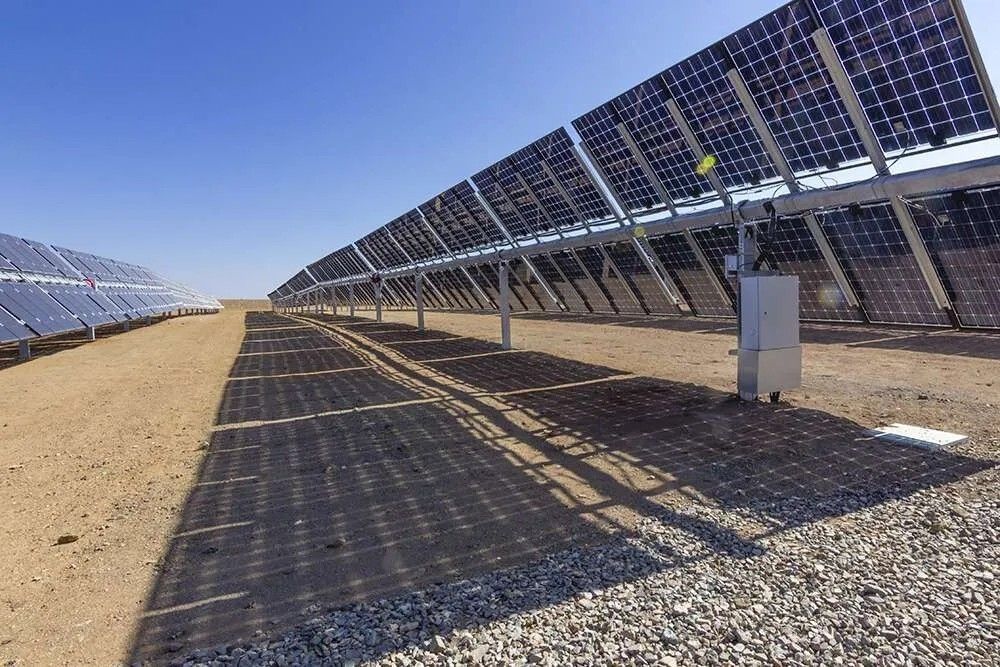
Bifacial solar panels, Image source: Ag Solar Solutions
Policy Support and Global Trends
The governments of the world are becoming more aware of the role net-zero buildings play in reducing greenhouse gas emissions. To this end, various countries have established policies and incentives to encourage the construction of NZEBs.For example, the European Union directive on "Nearly Zero-Energy Buildings" mandates that all new buildings need to be nearly zero energy by 2020. Similarly, California has committed to make all new residential buildings net zero by 2025, and all new commercial buildings by 2030.
In India, the Bureau of Energy Efficiency has been instrumental in developing building codes that encourage energy-efficient practices in construction. Such policies not only promote the adoption of NZEB principles but also create a competitive environment for innovation in energy-efficient technology. The momentum created by these policies is expected to spur further advancements in net-zero design, making it more feasible and cost-effective.
Moving Forward
In an era where energy and carbon considerations are first priorities, net-zero energy buildings bring us one step closer to sustainable urban development. By focusing on energy efficiency and renewable energy integration, while monitoring kWh of energy consumption, these buildings demonstrate how site net zero goals can be achieved.
Whether you're involved in new construction or renovating an existing structure, incorporating net-zero principles can significantly impact overall energy performance. As we work toward achieving net-zero carbon targets, let’s embrace these innovative approaches to create buildings that produce as much energy as they consume, ensuring a sustainable future for generations to come.
The future of architecture is bright, but are your skills keeping pace? Kaarwan's architecture-specific courses provide you with the knowledge and tools to confidently navigate the AEC industry. Gain valuable insights, master in-demand software, and stand out with designs that impress!
FAQs
1. What is a net-zero energy building?
A net-zero energy building produces as much energy as it consumes annually, balancing its energy needs with renewable sources to minimize its environmental impact.
2. How do net-zero energy buildings contribute to sustainability?
They reduce reliance on nonrenewable energy sources, lower carbon emissions, and promote sustainable urban development by integrating renewable energy and energy-efficient design.
3. What are common design strategies in net-zero energy buildings?
Key strategies include passive design, high-performance materials, renewable energy systems like solar panels, and energy conservation technologies to minimize energy demand.
4. What challenges do net-zero energy buildings face?
Initial costs, technological integration, and energy storage limitations are primary challenges, though advancements are making these solutions more accessible and affordable.
5. How are governments supporting net-zero building initiatives?
Many governments offer incentives, policies, and codes to promote net-zero construction, aiming to reduce greenhouse gas emissions and encourage sustainable building practices globally.