Driven by a need to preserve our rich history while accommodating modern demands, adaptive reuse of old buildings in metros across India has become increasingly significant. From Mumbai's Art Deco structures to the havelis of Jaipur, architects are finding innovative ways to bridge the gap between preservation and progress.
What is Adaptive Reuse?
Adaptive reuse represents an architectural approach that gives abandoned buildings and heritage structures new life through repurposing. While restoration focuses on returning a building to its original character, adaptive reuse transforms existing structures to accommodate different functions. The Archaeological Survey of India has recognized this practice as crucial for preserving our architectural heritage while meeting contemporary needs.
In Mumbai and Kolkata, where colonial-era buildings stand as a testament to a bygone era, principal architects are leading transformative projects. For instance, in Mumbai's Ballard Estate, a 90-year-old textile warehouse has been converted into an innovative workspace, maintaining its original truss work while incorporating ample natural light. Similarly, in Chandni Chowk, Delhi, old houses are being adaptively reused as cultural centers, with materials such as lime plaster helping conserve their historic texture.
Highlight: Adaptive reuse transforms heritage buildings for new functions, ensuring their preservation while meeting modern needs and allowing cultural history to thrive in a new context.
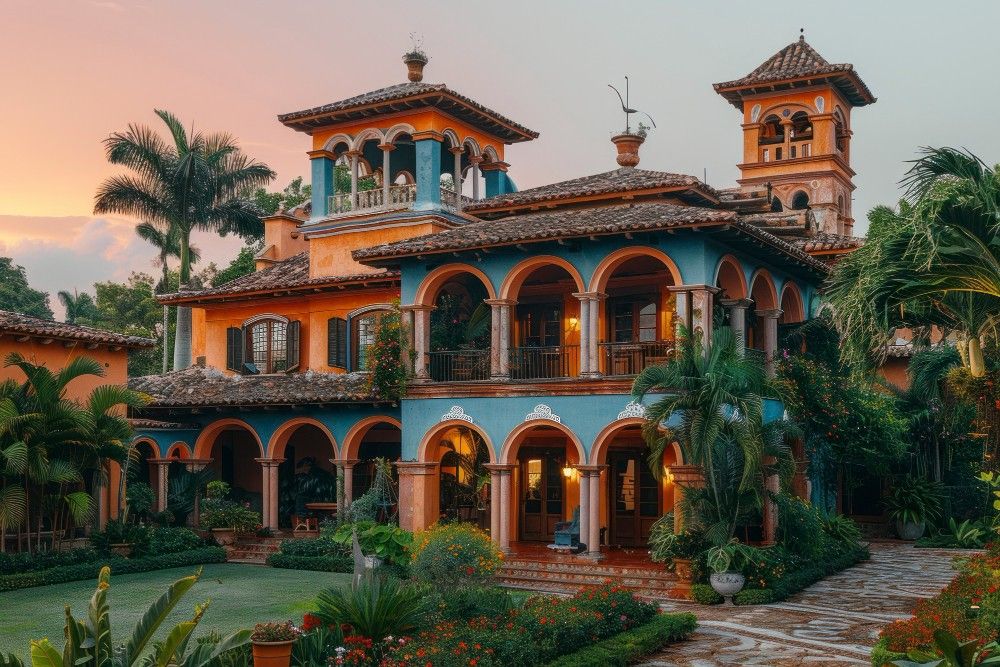
Successful Examples Across India
The landscape of adaptive reuse projects displays remarkable diversity. In Bengaluru, architect Vijay Kumar transformed a century-old palace into a heritage hotel, while in Chennai, a colonial bungalow found a new purpose as a bed and breakfast. The Calcutta Bungalow, featured in Architectural Digest, stands out for its immersive experience of Bengali culture through careful interior design.
Notable transformations include:
- Ahmedabad’s Power Plant to Art Hub: Once filled with the hum of machinery, this abandoned power plant in Ahmedabad found new life as an art space. Today, it brings together artists and visitors, celebrating creativity in a raw industrial setting, where every beam and brick carries the echoes of the city’s past energy.
- Calcutta Bungalow: Colonial Home to Heritage StayOnce forgotten, a neglected colonial bungalow in Kolkata was lovingly transformed into Calcutta Bungalow, a heritage stay. Each room tells a story of old-world charm, from hand-carved woodwork to vintage tiles, offering guests an authentic, intimate connection to Bengal’s rich, layered history.
- Kamala Mills: Textile Mill to Urban PlaygroundOnce bustling with textile workers, Mumbai’s Kamala Mills now buzzes with entrepreneurs, foodies, and art lovers. It’s a place where the past and present collide, where century-old walls house lively restaurants and art galleries, proving that old industrial spaces can foster new urban life.
Highlight: Adaptive reuse projects in India include transforming power plants, havelis, and textile mills, blending heritage with contemporary architecture across cities like Ahmedabad, Jaipur, and Mumbai.
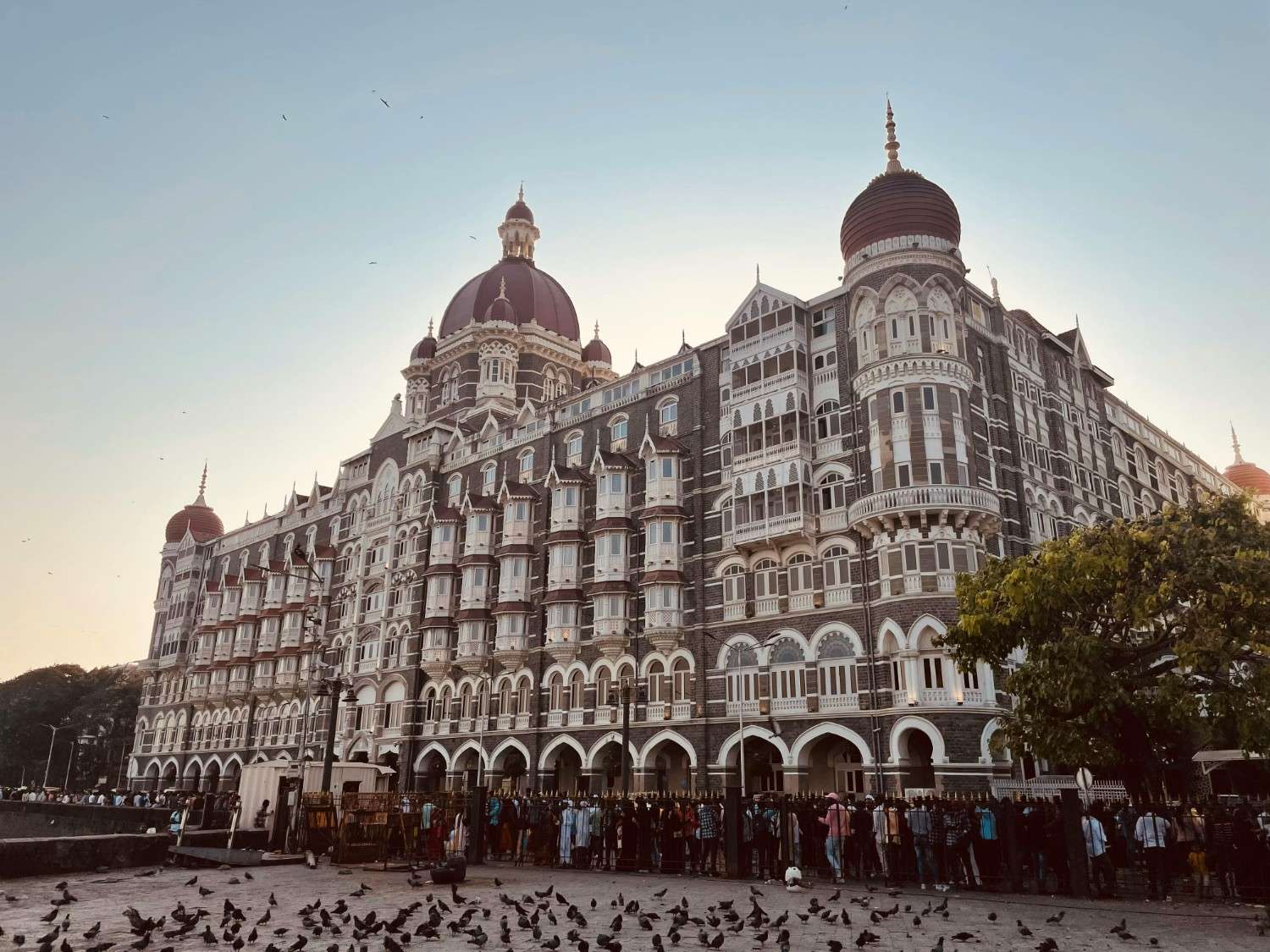
The Role of Architecture and Design
According to the Hindustan Times, the revitalization of urban spaces through adaptive reuse has gained momentum. Firms based in New Delhi and Mumbai are leading this movement, focusing on environmental impact while preserving cultural heritage. These projects often involve retrofitting multiple floors while maintaining the structure's integrity.
Jehangir Jain, a prominent architect featured in World Heritage publications, notes that successful adaptive reuse requires understanding both the original character and modern needs. "We must activate these spaces within the context of contemporary requirements while respecting their architectural style," he explains.
Highlight: Indian architects are leading adaptive reuse projects, balancing environmental sustainability with the preservation of cultural heritage to create vibrant urban spaces.
Challenges and Solutions
Repurposing old buildings, especially in dense urban areas like Mumbai's Ballard Estate, presents unique challenges. These include:
- Updating infrastructure while preserving historic elements
- Meeting modern comfort standards
- Ensuring innovative space utilization
- Maintaining rooftop integrity
- Incorporating handcrafted elements thoughtfully
Highlight: Adaptive reuse faces challenges such as preserving historical integrity while updating infrastructure and ensuring modern functionality in densely populated urban areas.
The Future of Adaptive Reuse in India
The movement continues to evolve, with architects and designers finding ways to upcycle and revitalize urban spaces. From converting abandoned buildings into vibrant cultural centers to transforming colonial-era structures into modern workspaces, adaptive reuse projects are helping to conserve India's architectural legacy.
As cities like Mumbai, Delhi, and Kolkata face increasing pressure to modernize, adaptive reuse offers a sustainable solution that honors the past while embracing the future. These projects not only preserve heritage buildings but also create dynamic spaces representing important stages in India's architectural evolution.
Through thoughtful adaptive reuse, we can ensure that the stories embedded in our old buildings continue to enrich our urban landscape while serving contemporary needs. The success of these projects demonstrates that with careful planning and respect for original design, our architectural heritage can be preserved and renewed for future generations.
Highlight: Adaptive reuse offers a sustainable solution to modernization pressures in Indian cities, transforming old buildings into dynamic spaces that honor the past and embrace the future.
The future of architecture is bright, but are your skills keeping pace? Kaarwan's architecture-specific courses provide you with the knowledge and tools to confidently navigate the AEC industry. Gain valuable insights, master in-demand software, and stand out with designs that impress!
FAQs
1. What is adaptive reuse?
Adaptive reuse involves repurposing old buildings for new functions, balancing historical preservation with modern needs.
2. Why is adaptive reuse important in India?
It helps preserve cultural heritage while addressing contemporary urban demands, fostering sustainable development.
3. What are some successful examples of adaptive reuse in India?
Notable projects include Mumbai's Kamala Mills and Ahmedabad's Power Plant transformed into vibrant urban spaces.
4. What challenges does adaptive reuse face?
Challenges include updating infrastructure while preserving historical elements and ensuring compliance with modern comfort standards.
5. How can adaptive reuse contribute to sustainability?
It reduces waste and environmental impact by utilizing existing structures rather than constructing new buildings, promoting resource conservation.