Sufi shrines and khanqahs in Kashmir stand as remarkable symbols of the region's rich spiritual heritage and architectural brilliance. These sacred spaces are not only places of worship but also repositories of history, culture, and artistry. They reflect the harmonious blend of Sufism's spiritual philosophy and Kashmir's distinctive architectural style, creating sanctuaries of peace and reverence.
The Emergence of Sufism in Kashmir
Sufism, a mystical branch of Islam, made its way to Kashmir in the 14th century, profoundly influencing the region's spiritual landscape. Prominent Sufi saints such as Sheikh Noor-ud-din Noorani (popularly known as Nund Rishi) and Mir Sayyid Ali Hamadani played pivotal roles in spreading Sufi teachings. They emphasized love, compassion, and unity, attracting followers from various walks of life.
Khanqahs, serving as centers for spiritual learning, meditation, and community gatherings, became integral to the Sufi tradition in Kashmir. These spaces provided a serene environment for individuals to connect with the divine and learn the teachings of Sufi saints.
Architectural Significance of Sufi Shrines
The architecture of Sufi shrines in Kashmir is a testament to the region's craftsmanship and cultural synthesis. Unlike conventional Islamic structures, these shrines incorporate local materials such as wood and stone, creating a unique blend of Indo-Islamic and Kashmiri styles.
Distinctive Features
- Wooden Latticework (Pinjrakari): Intricate wooden screens adorn windows and walls, allowing light to filter through beautifully while maintaining privacy.
- Papier-Mâché Decorations: The interiors often feature delicate papier-mâché designs, showcasing the finesse of Kashmiri artisans.
- Carvings and Calligraphy: Verses from the Quran and Sufi poetry are etched into wooden panels, adding a spiritual dimension to the architecture.
Khanqahs as Centers of Spiritual Learning
Khanqahs in Kashmir are more than architectural marvels; they are hubs of spiritual education and communal activities. These structures host daily prayers, spiritual discourses, and communal meals.
Notable khanqahs include:
- Khanqah-e-Moula: Built by Mir Sayyid Ali Hamadani, this khanqah is a masterpiece of Kashmiri wooden architecture.
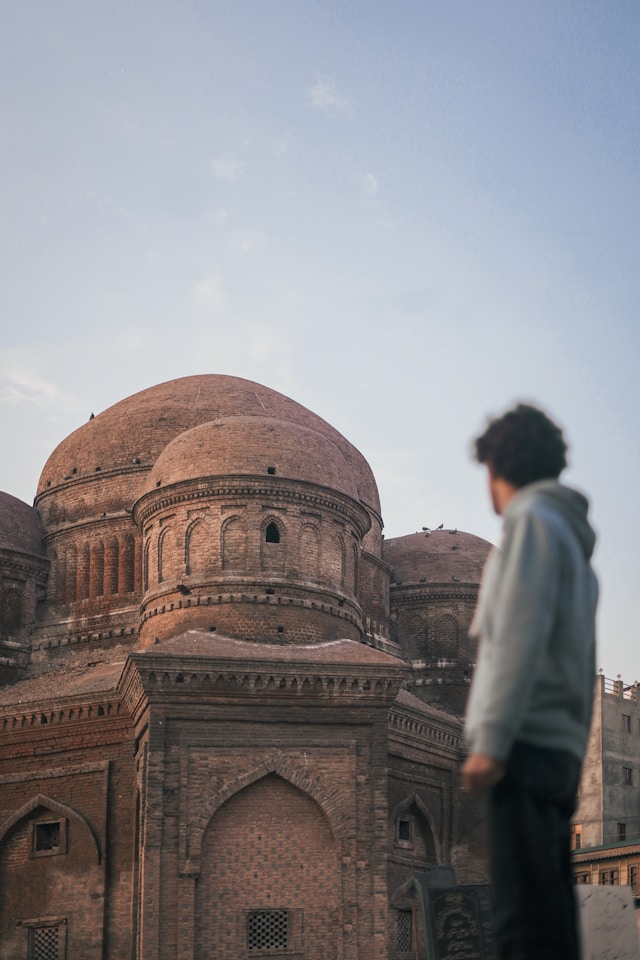
- Pathar Masjid: A lesser-known yet significant site blending Islamic and Kashmiri design elements.
Iconic Sufi Shrines in Kashmir
Shrine of Sheikh Noor-ud-din Noorani (Nund Rishi):
Located in Charar-e-Sharief, this shrine honors the revered saint who is considered the patron saint of Kashmir. His teachings emphasized simplicity, selflessness, and environmental harmony.
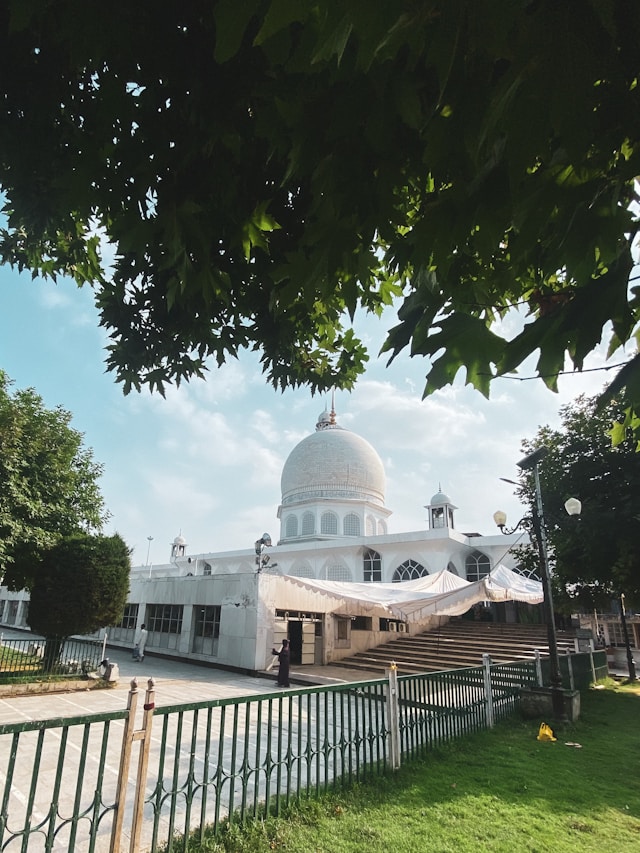
Hazratbal Shrine:
Situated on the banks of Dal Lake, this shrine holds the relic believed to be a hair of Prophet Muhammad. Its serene white marble facade and tranquil surroundings make it a significant pilgrimage site.
Shrine of Shah Hamadan:
Located in Srinagar, this shrine honors Mir Sayyid Ali Hamadani, a Persian Sufi saint. The shrine's intricate wooden architecture, vibrant interiors, and historical importance make it a jewel of Kashmiri heritage.
Symbolism in the Design of Shrines and Khanqahs
The design of these structures often symbolizes spiritual concepts. For instance:
- Symmetry and Geometry: Represent the harmony of the universe.
- Nature-Inspired Motifs: Reflect the interconnectedness of creation and spirituality.
- Domes and Minarets: Symbolize the connection between earth and the heavens.
Preservation Challenges for Sufi Shrines and Khanqahs
Despite their cultural and spiritual significance, Sufi shrines and khanqahs face numerous challenges:
- Environmental Threats: The wooden structures are vulnerable to weathering, fires, and decay.
- Urbanization: Rapid development threatens the serene ambiance of these sacred sites.
- Neglect: Lack of awareness and resources hampers preservation efforts.
Several initiatives, both governmental and non-governmental, are working to restore and conserve these historic monuments. However, greater public involvement and sustainable strategies are essential to ensure their longevity.
Spiritual Practices at Sufi Shrines
Sufi shrines are centers of vibrant spiritual activity. Devotees engage in rituals such as:
- Zikr (Remembrance of God): Chanting or reciting prayers to attain spiritual focus.
- Qawwali: Soulful music performed to inspire divine connection.
- Festivals: Celebrations like Urs commemorate the anniversaries of Sufi saints, attracting large gatherings of devotees.
Modern-Day Relevance of Sufi Shrines
In today’s fast-paced world, Sufi shrines and khanqahs serve as oases of peace and reflection. They are increasingly recognized for their role in promoting interfaith dialogue and cultural tourism. The younger generation’s interest in these sites reflects a desire to reconnect with spiritual and cultural roots.
Conclusion
Sufi shrines and khanqahs in Kashmir are not just architectural landmarks but also spiritual beacons that reflect the region's rich cultural tapestry. They embody a harmonious blend of art, spirituality, and history, making them invaluable treasures. Preserving these sacred sites is essential to safeguarding Kashmir's heritage and ensuring that future generations can experience their profound beauty and significance.
The future of architecture is bright, but are your skills keeping pace? Kaarwan's architecture-specific courses provide you with the knowledge and tools to confidently navigate the AEC industry. Gain valuable insights, master in-demand software, and stand out with designs that impress!
FAQs
1. What is the historical importance of Sufi shrines in Kashmir?
Sufi shrines in Kashmir have been centers of spiritual guidance and cultural integration for centuries, fostering unity among diverse communities.
2. How do Kashmiri shrines reflect local architecture?
These shrines combine traditional Kashmiri craftsmanship, such as wooden latticework and papier-mâché, with Islamic design elements, creating a unique architectural style.
3. What are the main challenges in preserving these sites?
Environmental degradation, urbanization, and limited restoration efforts are the primary challenges facing the preservation of Sufi shrines.
4. What role do khanqahs play in modern Kashmiri society?
Khanqahs continue to be spaces for spiritual learning, community events, and the propagation of Sufi teachings, maintaining their relevance in contemporary times.
5. Are there any festivals celebrated at Sufi shrines?
Yes, festivals like Urs commemorate the lives of Sufi saints and draw large gatherings of devotees to these shrines.
6. How can one visit these iconic sites?
Most Sufi shrines in Kashmir are open to visitors year-round. It’s advisable to respect local customs and dress modestly when visiting.