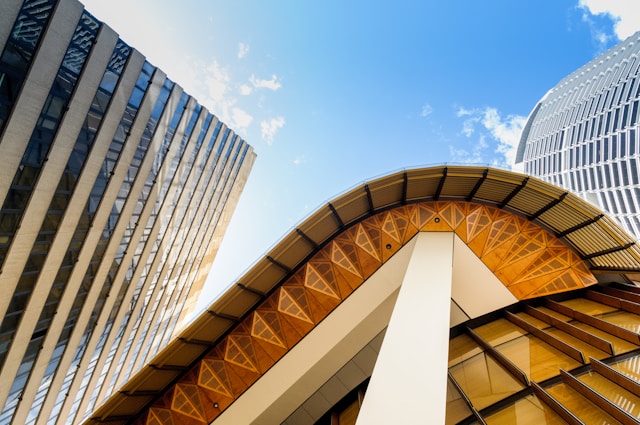
Sustainability is no longer just a buzzword in architecture; it's a necessity. In a world grappling with climate change and resource depletion, sustainable parametric design solutions have emerged as a beacon of hope. Combining advanced computational tools like Grasshopper software and Rhino architecture, this approach empowers architects to create designs that are not only innovative but also environmentally responsible. Let’s dive into how this cutting-edge method can reshape the future of architecture.
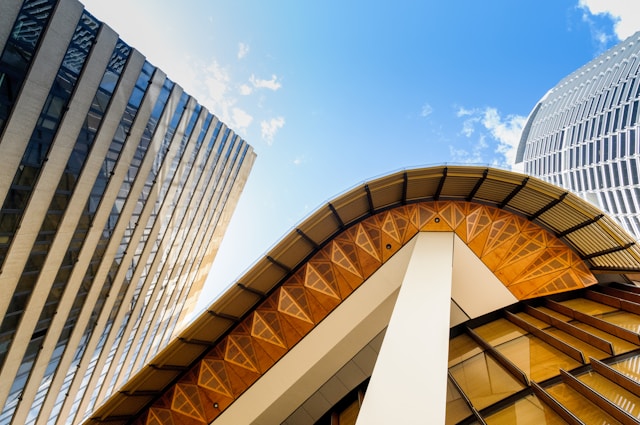
What is Sustainable Parametric Design?
At its core, sustainable parametric design merges the principles of sustainability with the computational power of parametric modelling. By leveraging algorithms, architects can design buildings that optimize energy use, reduce waste, and maximize efficiency. Unlike traditional methods, parametric modelling allows for dynamic changes, making it easier to adapt designs to environmental considerations.
Why Does It Matter?
- Environmental Impact: With climate change accelerating, sustainable designs can significantly reduce carbon footprints.
- Resource Efficiency: Parametric models ensure optimal use of materials, reducing construction waste.
- Innovative Aesthetics: The fluid, complex forms achievable through this method can set a project apart visually.

Tools of the Trade: Grasshopper and Rhino
If you’re new to sustainable parametric design, Grasshopper software and Rhino architecture are the ultimate tools to get started. Grasshopper, a visual programming language, works seamlessly with Rhino, a 3D modelling platform. Together, they’re like the Swiss Army knife for architects aiming to merge creativity with sustainability.
Key Features of Grasshopper Software
- Visual Programming: You don’t need to be a coding expert to use it.
- Flexibility: Easily adapt designs by tweaking parameters.
- Integration: It’s compatible with other software like Revit and AutoCAD.
Why Rhino Architecture Stands Out
- Precision Modelling: Ideal for creating intricate designs.
- Customization: Supports plugins like Ladybug and Honeybee for environmental analysis.
- User-Friendly Interface: Great for beginners and pros alike.
Practical Applications of Sustainable Parametric Design
The possibilities with this approach are endless. Let’s explore some real-world applications that show how sustainable parametric design solutions are making an impact:
1. Optimizing Energy Efficiency
Using tools like Grasshopper and plugins such as Ladybug, architects can analyze solar exposure, wind patterns, and energy consumption. For example:
- Facade Design: Parametric models can optimize window placements to maximize natural light while minimizing heat gain.
- Ventilation Systems: Design structures that enhance natural airflow, reducing reliance on mechanical cooling.
2. Reducing Material Waste
Parametric modelling excels at precise calculations, ensuring that every inch of material is used efficiently. This is particularly useful for:
- Prefabricated Elements: Create components that fit together perfectly, minimizing onsite waste.
- Material Substitution: Experiment with eco-friendly materials without compromising on structural integrity.
3. Enhancing Urban Planning
On a larger scale, parametric design helps in planning sustainable cities. For instance:
- Green Spaces: Allocate areas for vegetation to improve urban microclimates.
- Traffic Flow Optimization: Model traffic patterns to design efficient road networks.
Steps to Get Started with Grasshopper and Rhino
If you’re eager to explore sustainable parametric design, here’s a roadmap:
Step 1: Learn the Basics
Begin by familiarizing yourself with Rhino’s 3D modelling interface. Then, explore Grasshopper’s visual programming environment. There are plenty of tutorials and online resources to get you started.
Step 2: Explore Plugins
Enhance your skills by experimenting with plugins like:
- Ladybug: For environmental analysis.
- Honeybee: For energy modelling.
- Karamba: For structural simulations.
Step 3: Work on Projects
Apply your knowledge to real-world projects. Start with small-scale designs, such as pavilions or single buildings, before tackling complex urban layouts.
Challenges and How to Overcome Them
While the benefits of sustainable parametric design are undeniable, there are challenges:
1. Steep Learning Curve
Both Grasshopper and Rhino require time and practice to master. Overcome this by:
- Joining online forums and communities.
- Taking structured courses on platforms like Kaarwan.
2. Software Costs
High-end tools like Rhino can be expensive. Look for student discounts or trial versions to get started.
3. Integration with Traditional Methods
Many firms are hesitant to adopt new technologies. Gain an edge by presenting case studies that demonstrate the cost and environmental benefits of parametric design.
Real-Life Example: The Al Bahar Towers
A stunning example of sustainable parametric design, the Al Bahar Towers in Abu Dhabi feature a dynamic facade that adjusts to sunlight. Using algorithms, the designers created a shading system that reduces energy consumption by 50% while maintaining aesthetic appeal.
Why Architects Should Embrace Sustainable Parametric Design
Adopting sustainable parametric design isn’t just about staying relevant; it’s about creating a better future. By integrating tools like Grasshopper and Rhino into your workflow, you can:
- Deliver innovative, eco-friendly solutions.
- Stand out in a competitive market.
- Contribute to global sustainability goals.
Conclusion
Sustainable parametric design is more than a trend; it’s a transformative approach that combines creativity, technology, and responsibility. Tools like Grasshopper and Rhino make it easier than ever to design with purpose. Whether you’re a student or a seasoned professional, there’s no better time to embrace this paradigm shift in architecture.
Ready to take your skills to the next level? Check out our Advanced Course on Kaarwan to deepen your understanding and stay ahead in the field.
Visit our website Kaarwan for more!
FAQs
1. What is sustainable parametric design?
Sustainable parametric design combines sustainability principles with parametric modelling to create eco-friendly, efficient, and innovative architectural designs.
2. What is Grasshopper software used for?
Grasshopper is a visual programming tool that integrates with Rhino to create parametric models, analyze designs, and optimize environmental performance.
3. How does Rhino architecture support sustainability?
Rhino’s precision modelling and compatibility with plugins like Ladybug and Honeybee allow architects to conduct environmental analyses and optimize resource efficiency.
4. What are some examples of sustainable parametric design?
Examples include the Al Bahar Towers’ dynamic facade in Abu Dhabi, which reduces energy consumption, and parametric facades that optimize natural light.
5. Where can I learn sustainable parametric design?
Platforms like Kaarwan offer specialized courses in Grasshopper, Rhino, and sustainable architecture.