The Taj Mahal, a UNESCO World Heritage Site, is a lasting symbol of affection, mourning, and artistic brilliance. Built during the Mughal era by Emperor Shah Jahan, this architectural masterpiece immortalizes his love for his wife, Mumtaz Mahal. Beyond its emotional narrative, the Taj Mahal exemplifies the pinnacle of Mughal architecture, seamlessly blending Persian, Islamic, and Indian architectural traditions. But what makes it so mesmerizing? This article will help you learn about the symbolism, architectural features of the Taj Mahal, and its eternal significance.
The Eternal Symbol of Love and Mourning
The Taj Mahal stands as a poignant reminder of an emperor’s love and loss. In 1632, Shah Jahan began construction on this mausoleum as a tribute to his deceased wife, Mumtaz Mahal.. The symmetrical layout, intricate inlay work, and the iconic white marble dome mirror the depth of his emotions.
Over 20,000 artisans toiled for 22 years to build this magnificent monument. This effort highlights the Mughal commitment to commemorating not just the deceased but the eternal bond of love. Its architecture is a reflection of serenity, offering a space for mourning and remembrance while showcasing unmatched craftsmanship.
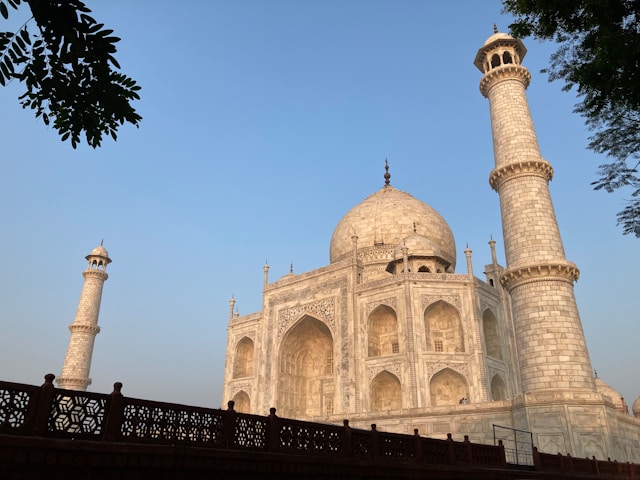
Architectural Design of the Taj Mahal: The Perfect Balance
The architectural design of the Taj Mahal is a harmonious blend of structural symmetry, material richness, and symbolic representation. Its layout follows the principles of Charbagh, a Persian garden design that represents paradise.
Key Features of Taj Mahal Architecture
Here are some of the defining characteristics of the Taj Mahal that contribute to its allure:
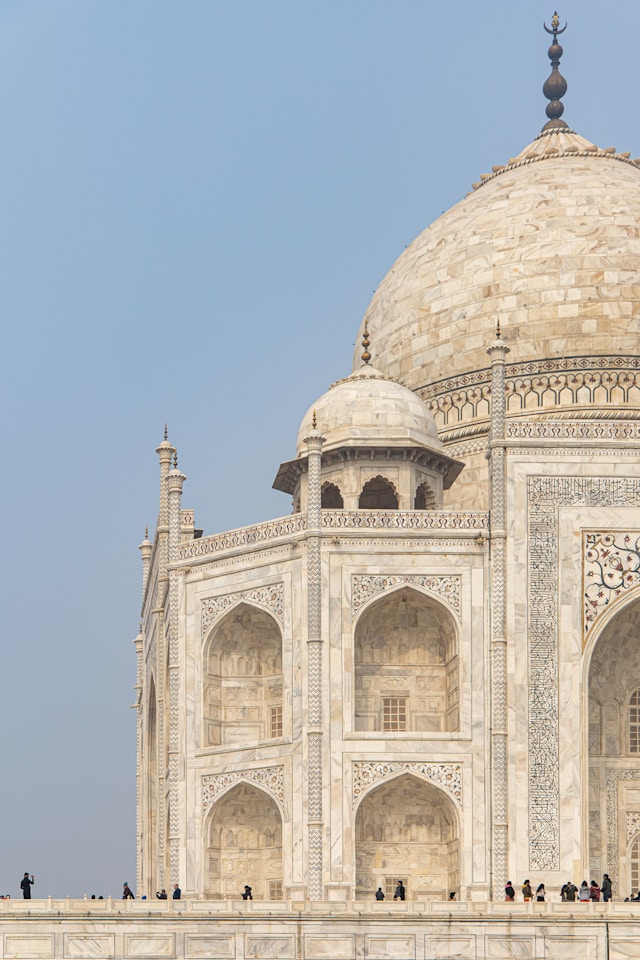
- The Dome: The central dome, often called the onion dome, is 35 meters tall. It symbolizes heaven and crowns the structure with grandeur.
- Pietra Dura Inlay: The walls feature intricate inlay work using semi-precious stones like jade, lapis lazuli, and turquoise, forming floral motifs that reflect Mughal artistry.
- Four Minarets: The minarets, positioned at each corner of the platform, lean slightly outwards to safeguard the main structure from potential earthquake damage.
- Reflective Symmetry: The structure's symmetrical design, including its reflection in the Yamuna River, showcases architectural precision.
Each of these elements carries a deeper meaning. For example, the use of white marble represents purity and divine beauty, contrasting with the vibrant red sandstone used in other Mughal buildings like the Agra Fort.
Characteristics of the Taj Mahal: A Marvel of Innovation
The Taj Mahal’s unique characteristics stem from its combination of engineering ingenuity and symbolic artistry. These include:
- Ingenious Use of Materials: The use of translucent white marble ensures the Taj changes hues throughout the day. In the morning, it glows pinkish, appears white during the day, and gleams golden under moonlight. This phenomenon adds to its ethereal charm.
- Meticulous Craftsmanship: The calligraphy adorning the entrance gates features verses from the Quran, done using black marble. This careful detailing underscores the Taj Mahal's spiritual undertone.
- Perfect Proportions: Every element of the structure aligns in a geometric balance. The main mausoleum, the minarets, and the surrounding gardens reflect unparalleled symmetry, signifying balance in the universe.
The Taj Mahal not only reflects Mughal innovation but also serves as an enduring study in architectural harmony.
Symbolism in Taj Mahal Architecture
The symbolism embedded in the Taj Mahal architecture enhances its profound legacy. Each element carries religious and philosophical connotations:
- The Gardens: Represent the Islamic vision of paradise, divided into four sections with water channels symbolizing life, purity, and eternity.
- The Central Dome: Its sheer size represents the heavens, connecting the earthly and the divine.
- White Marble: Signifies purity and peace, evoking feelings of serenity.
Such features invite architects and historians to decode its deeper meanings, making the Taj not just a mausoleum but a narrative of celestial aspirations.
Modern Relevance and Architectural Lessons
The Taj Mahal continues to inspire architects worldwide with its unparalleled architectural design and technical brilliance. For architecture students, the Taj serves as a case study in:
- Material Innovation: Learning how materials like Makrana marble interact with light and climate.
- Structural Precision: Understanding the significance of symmetry and proportionality in architecture.
- Cultural Fusion: Studying how Mughal architecture blends Indian and Persian influences seamlessly.
Globally, architects have drawn parallels between the Taj Mahal and other structures, citing its influence on modern minimalist and symmetrical designs.
Preservation Challenges and Efforts
While the Taj Mahal remains a global icon, it faces significant preservation challenges. Factors like pollution, river erosion, and visitor footfall pose threats to its longevity.
- Environmental Concerns: Pollution has caused discoloration of the white marble, prompting initiatives like mud packs for cleaning.
- Structural Erosion: Proximity to the Yamuna River raises concerns about its foundation's stability due to decreasing water levels.
Efforts by the Archaeological Survey of India (ASI) and UNESCO aim to mitigate these risks, ensuring the Taj Mahal retains its grandeur for generations.
Real-Life Impact: A Tourist’s Experience
Each year, over 6.5 million tourists visit the Taj Mahal, highlighting its cultural and historical significance (source: ASI). For many, the first glimpse of the Taj’s marble facade is an emotional moment, reinforcing its status as a wonder of architectural brilliance.
For architecture enthusiasts, a guided tour provides insight into the intricate architectural features of the Taj Mahal, from the carved niches to the reflective water channels. It’s not just a monument but a journey into Mughal architectural heritage.
Conclusion
The Taj Mahal is more than a mausoleum; it is a timeless testament to love, loss, and architectural brilliance. Its architectural design, with its harmony of form, materials, and symbolism, continues to inspire awe among architects and historians. As you explore its gardens, domes, and intricate details, you’ll discover why the Taj Mahal remains an enduring symbol of eternal beauty.
Whether you're an architecture student or a cultural enthusiast, the Taj Mahal offers lessons in innovation, craftsmanship, and the enduring power of human emotion.
The future of architecture is bright, but are your skills keeping pace? Kaarwan's architecture-specific courses provide you with the knowledge and tools to confidently navigate the AEC industry. Gain valuable insights, master in-demand software, and stand out with designs that impress!
FAQs
1. What is the significance of the white marble used in the Taj Mahal?
White marble symbolizes purity, peace, and eternity. Its translucent quality allows it to change color throughout the day, enhancing its beauty.
2. What is the Charbagh garden style?
Charbagh is a Persian garden design that divides the garden into four quadrants, symbolizing paradise. The Taj Mahal's gardens follow this style, with water channels and flower beds.
3. What is the significance of the calligraphy on the Taj Mahal?
The calligraphy on the Taj Mahal features verses from the Quran, reflecting the Islamic faith of the Mughals. It is considered a masterpiece of Islamic calligraphy.
4. What challenges does the Taj Mahal face today?
The Taj Mahal faces challenges such as air pollution, which discolors the white marble, and water pollution from the Yamuna River. Efforts are underway to preserve the monument.
5. What is the best time to visit the Taj Mahal?
The best time to visit the Taj Mahal is during the winter months (October to March) when the weather is pleasant. However, avoid visiting during peak tourist seasons.