The Art of Jali: Light, Shadow, and Ventilation in Traditional Indian Architecture
Imagine walking through the corridors of a magnificent Rajasthani palace, where sunlight transforms into a living canvas, dancing through intricate stone screens. These aren't just walls—they're breathtaking architectural poetry known as jali, a centuries-old design marvel that represents the pinnacle of environmental and aesthetic intelligence.
The Origins of Jali: A Marriage of Form and Function
The jali is believed to have originated in India around the 6th century, though its roots can be traced back to even earlier Islamic and Persian influences. What makes the jali unique is its dual purpose. On one hand, it’s a stunning piece of art, often featuring geometric patterns, floral motifs, or calligraphic designs. On the other, it’s a practical solution to some of the most pressing challenges of Indian architecture—heat, light, and airflow.
In a country where summers can be relentless, jalis became a natural way to cool buildings. The perforations allow air to flow freely, creating a natural ventilation system that keeps interiors comfortable. At the same time, the intricate designs filter harsh sunlight, casting soft, dappled shadows that change with the movement of the sun. It’s a perfect example of how form and function can coexist harmoniously.
The Genesis of Jali: Beyond Mere Decoration
Long before air conditioning became a household term, Indian architects were masters of climate control. The jali emerged as a brilliant solution to the challenging environmental conditions of the Indian subcontinent. These perforated screens are not merely decorative elements but sophisticated architectural innovations that solve multiple design challenges simultaneously.
Picture a screen carved from stone or wood, with hundreds of precisely calculated geometric openings. Each perforation is a testament to mathematical precision and environmental understanding. The jali represents a dialogue between human creativity and natural elements, transforming harsh sunlight into a soft, almost ethereal illumination.
Architectural Functionality: The Science of Comfort
At its core, the jali is a remarkable climate management system. In regions where temperatures can soar beyond 45 degrees Celsius, these screens perform multiple miracles:
Thermal regulation becomes an art form. The intricate perforations create complex air circulation patterns, naturally cooling incoming air. As sunlight passes through the geometric openings, it gets diffused and filtered, reducing indoor temperatures significantly. A single jali can lower room temperature by several degrees without consuming a single watt of electricity.
Privacy takes on a nuanced meaning. Unlike solid walls, jalis allow inhabitants to observe without being observed. They create a delicate balance between openness and seclusion, a architectural philosophy that reflects deeper cultural approaches to personal space and community interaction.
Cultural Symbolism: Geometry with Deeper Meanings
Jali designs are never random artistic expressions. Each geometric pattern carries profound cultural and spiritual significance. Islamic jalis often incorporate complex mathematical principles, reflecting cosmic harmony through intricate geometric calculations. Hindu designs might represent spiritual concepts, with patterns symbolizing interconnectedness and universal balance.
The Mughal era, particularly during Shah Jahan's reign, elevated jali work to an art form. Architects didn't just create screens; they composed visual symphonies in marble. Each screen became a narrative, telling stories of mathematical precision, cultural depth, and architectural brilliance.
Craftsmanship: A Dying yet Resilient Art
In the bylanes of Jodhpur and the workshops of Jaipur, a handful of master craftsmen continue this ancient tradition. I once watched an elderly artisan spend an entire day crafting a single jali panel. Each chisel strike was deliberate, almost meditative—a stark contrast to modern machine-driven fabrication.
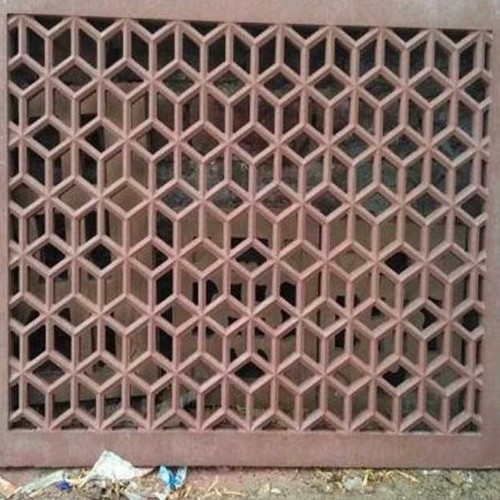
The bylanes of Jodhpur
Traditional jali-making requires years of apprenticeship. Craftsmen must understand stone's inherent properties, master complex geometric calculations, and possess an almost spiritual connection with their material. It's not just about carving; it's about understanding how light, air, and stone can communicate.
Contemporary Relevance: Ancient Wisdom Meets Modern Design
Today's architects are rediscovering the wisdom embedded in traditional jali designs. In an era of energy-intensive building systems, these centuries-old screens offer sustainable solutions that require zero electricity. Modern interpretations blend traditional techniques with contemporary materials—laser-cut metal screens, 3D-printed ceramic jalis that honor ancient principles while embracing technological innovation.
Young sustainable design enthusiasts are particularly fascinated. They see in jalis not just an architectural element, but a philosophy of holistic design. These screens teach us that true innovation often lies in understanding and reimagining traditional wisdom.
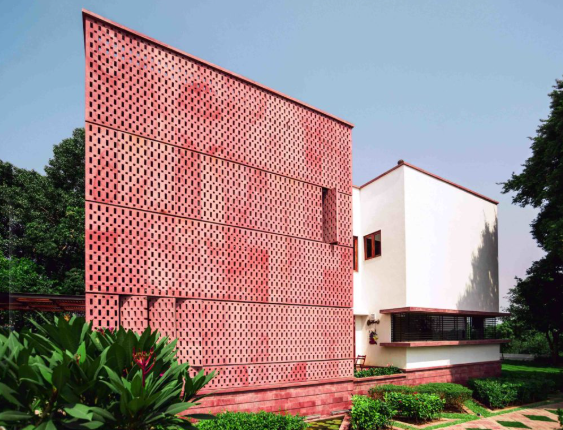
The Stone Jali (Img Src: The Architects Daily)
Architectural Poetry
Jalis continue to fascinate. They represent more than technical solutions—they're a profound statement about how human creativity can transform environmental challenges into breathtaking beauty.
Here is our suggestion for you all. To aspiring architects and design students: look beyond mere aesthetics. Study how generations before us solved complex design challenges with intelligence, creativity, and deep environmental understanding. The jali is more than a screen—it's a lesson in holistic design thinking.
In the intricate dance of light and shadow passing through a perfectly crafted jali, we witness architecture's most profound magic. We see how human creativity can transform physical constraints into opportunities for beauty, comfort, and cultural expression.
The jali stands as a testament to the fact that true architectural brilliance lies not in conquering nature, but in entering into a harmonious dialogue with it.
FAQs
1. What is a jali in architecture?
Answer: A jali is a perforated stone or wood screen used in traditional Indian architecture to provide ventilation, filter light, and create decorative patterns.
2. How does a jali help with cooling?
Answer: The intricate perforations in a jali allow air to flow naturally, creating ventilation that cools interiors without electricity.
3. What cultural significance do jali patterns have?
Answer: Jali patterns often carry spiritual or cultural meanings, with geometric designs reflecting cosmic harmony, interconnectedness, or universal balance.
4. Is jali craftsmanship still practiced today?
Answer: Yes, though rare, traditional jali craftsmanship is still practiced by skilled artisans, particularly in regions like Rajasthan and Jaipur.
5. How is jali design relevant today?
Answer: Modern architects use jali-inspired designs for sustainable solutions, blending traditional techniques with contemporary materials like laser-cut metal or 3D-printed ceramics.