The Impact of Remote Work on Office Design: A Revolution in Corporate Architecture
Remember walking into your first office? The maze of cubicles, the hum of fluorescent lights, and that familiar coffee smell? Well, times are changing – fast. A recent study by Gartner, shows that nearly half of employees are preferring to work remote, at-least part-time, after covid-19 happened. Remote work is changing the office designs, more than any other factor.
Let us take you through how this shift is transforming our workspaces in ways we never imagined.
Breaking Free from the Cubicle Farm
Gone are the days when offices looked like endless seas of cubicles. Businesses are embracing flexibility, designing environments that can morph and adapt. Think modular furniture, multipurpose zones, and open layouts that encourage collaboration.Google's latest office redesign is one shining example. They have basically come up with a playground, but for working professionals. The spaces are not defined. Curious? Isn’t it? You might see a large team brainstorming in one open space. And on the other end, you can see two or three people working in cozy pods, emphasizing the importance of focus groups.
Frank Gehry once said, "Architecture should speak of its time and place, but yearn for timelessness." The quote has become more than relevant today. Companies are not only shifting outside walls (outside the box, quite literally), but they are also creating evolving workspaces. A new trend- Coworking spaces has also seen its rise. This has added benefits for some employees, who want a change from their home offices. They not only offer a place to work, they have also become community hubs.
Putting People First: The Wellness Revolution
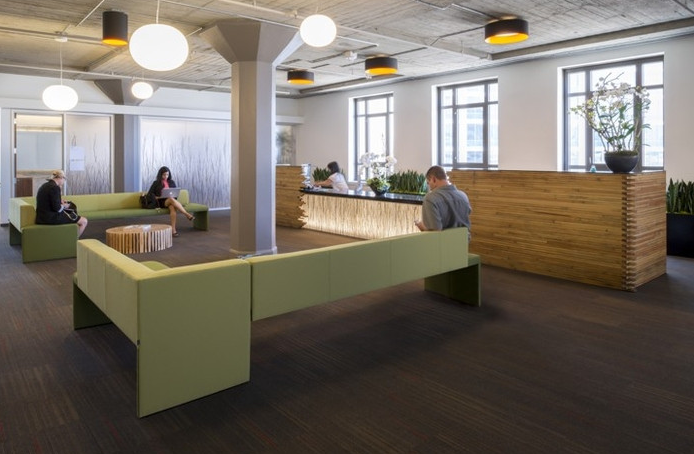
With remote work blurring the lines between personal and professional life, companies are prioritizing employee wellness in their office designs. Biophilic elements like natural light, indoor plants, and open spaces are becoming staples in modern offices. These features not only boost productivity but also create a calming environment.Ever noticed how being surrounded by nature makes you feel more creative? Companies sure have. Look at what Salesforce did with their San Francisco tower. They didn't just build an office – they created an urban treehouse. Natural light floods every corner, plants bring life to meeting spaces, and quiet zones offer peaceful retreats when the brain needs a break.
Recently, a tech startup turned their break room into a meditation garden. The founder told us, "Happy employees don't just work better – they innovate better." It's not about ticking boxes anymore; it's about creating spaces where people actually want to spend time.
Smart Spaces for Smarter Work
Remember struggling with video calls? Those days are fading fast. Hybrid work environments have technology at its forefront. Smart Offices have become a trend after the rise of smart homes. They include desk-management systems, occupancy sensors etc. A curious technology, which is increasingly seen as beneficial is adaptive lighting, which adapts to the time of the day or the number of people in the room. This not only saves electricity, but adds a feeling of comfort to the employees.
Microsoft’s Redmond campus is a prime example of Smart Working Spaces. You have meeting rooms which automatically adjust lighting for Video Calls, or even apps which can help you know if your favourite workspace is occupied or not. These features are solving real problems. And not just for show. Employees and companies have reported an increase in productivity. Remote Joiners are no longer awkward, they don’t feel like they are missing out on something. Technology is finally making the office work for everyone, not the other way around.
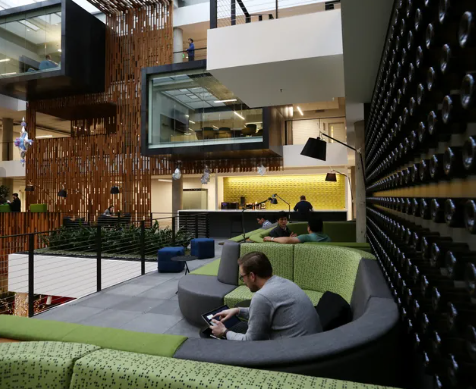
Microsoft’s Redmond campus (Img Src: The Seattle Times)
Right-Sizing: Less Space, More Impact
As remote work becomes the norm, many companies are rethinking their real estate needs. Why maintain a massive office when half your team is working from home? This has led to a trend of downsizing and repurposing office spaces. Another emerging trend is the hub-and-spoke model. Companies are maintaining smaller regional hubs closer to where employees live, reducing commute times and making it easier for teams to come together when needed.Here's something interesting: Twitter (X now) took their massive San Francisco headquarters and turned it into something smaller but smarter. They're not alone. Companies everywhere are trading quantity for quality, creating vibrant hubs closer to where employees live.
Think about it – why maintain a massive headquarters when your team is spread across the city, country, or even the globe? It's like having a huge house when you live alone – looks impressive but makes little sense.
X San Fransico Headquarters (Img Src: Office Snapshots)
Green is the New Black
We love how remote work is pushing sustainability forward. Unilever's London headquarters is a perfect example. Solar panels catch the sun's energy, while smart systems collect rainwater. But it goes beyond just being eco-friendly – these changes are saving companies money while saving the planet. Sustainable design isn’t just good for the planet—it’s good for business. Employees increasingly want to work for companies that prioritize environmental responsibility, and offices that reflect these values can help attract and retain top talent.
A CEO said, "We reduced our carbon footprint by 30% just by redesigning our space for hybrid work." That's what I call a win-win.
Looking Ahead: Your Office's Next Chapter
We're not just redesigning offices – we're reimagining how we work, collaborate, and create together. The best part? This story is still being written, and you're part of it.
What changes have you noticed in your workplace? How has remote work changed your idea of the perfect office? Drop a comment below – I'd love to hear your thoughts and experiences. After all, the future of office design isn't just about architecture – it's about the people who bring these spaces to life.
Remember, great office design isn't about following trends – it's about creating spaces that work for your team, your culture, and your future. What will your next chapter look like?
The future of architecture is bright, but are your skills keeping pace? Kaarwan's architecture-specific courses provide you with the knowledge and tools to confidently navigate the AEC industry. Gain valuable insights, master in-demand software, and stand out with designs that impress!
FAQs
- What are the key design trends transforming offices due to remote work?
Flexible layouts, coworking spaces, biophilic design, and smart technologies like adaptive lighting and desk management systems are reshaping modern office environments. - How has remote work influenced office space usage?
Many companies are adopting the hub-and-spoke model, downsizing large offices, and creating regional hubs closer to employees to reduce commute times and enhance collaboration. - What role does technology play in modern office design?
Smart offices feature innovations like occupancy sensors, adaptive lighting, and meeting room automation, improving efficiency, employee comfort, and hybrid work experiences. - How is sustainability being integrated into office designs?
Companies are prioritizing eco-friendly practices like solar panels, rainwater harvesting, and energy-efficient systems, aligning with sustainability goals and attracting environmentally conscious employees. - Why is employee wellness a focus in office design?
Features like natural lighting, indoor plants, and quiet zones enhance creativity, reduce stress, and boost productivity, creating spaces employees enjoy working in.